housing11.595 min read
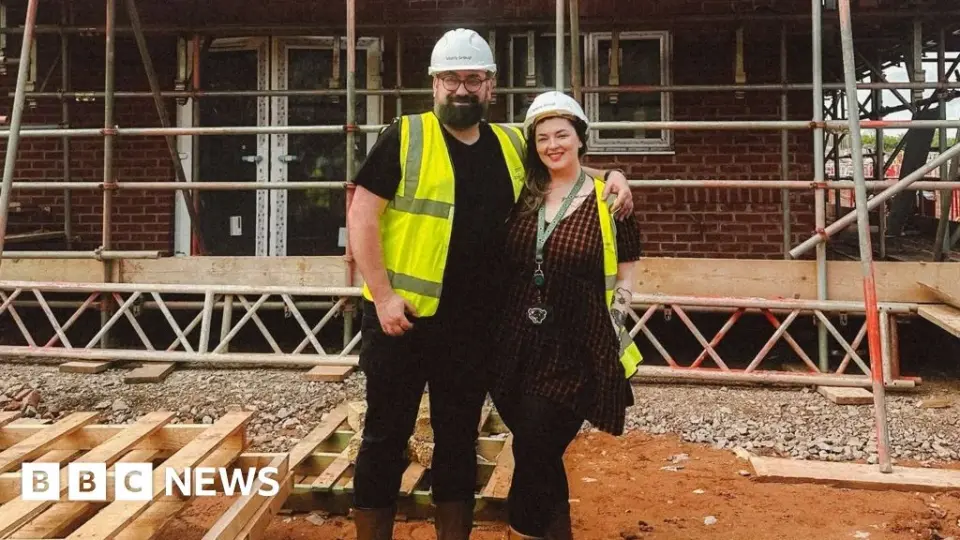
New-build buyers face rising defect rates as independent inspectors reveal widespread quality gaps
13 days ago•Source: BBC

The latest housing stories, each synthesized from multiple sources with added background and context.
U.S. inventory of new single-family homes rose to 495,000 in July—the fourth straight month of gains—while the median price written into contracts fell to $393,800 (lowest since 2021) and the three‑month average price to $404,400. July sales dropped 5.7% year over year to 55,000, with most activity in the South and West. Builders have cut prices and offered incentives and rate buydowns, compressing margins and weighing on earnings. The market sits on roughly 9.6 months of supply, with large inventories in the South (301k) and West (103k); under-construction inventory fell 10% year over year to 262k, while completed-for-sale rose to 114k. Overall, builders are expanding supply even as demand remains softer.
The City Reporter•1 month ago
Gothamist•3 months ago

California cities are choosing how to implement SB 79, the transit-oriented upzoning law, by July 1: some push for bespoke local plans, others delay changes, and a few aim to delay until 2030–2032 using legal escape clauses. Los Angeles is rolling out a delay to buy time, exempting certain poorer, fire zone, and historic districts while allowing modest multi-unit buildings in pricier areas; San Francisco and Oakland are pursuing their own rollout strategies, and Sacramento may make only minor tweaks. State housing regulators’ approvals remain necessary, and Governor Newsom has publicly criticized delays, as cities balance housing gains against political and logistical hurdles.}{
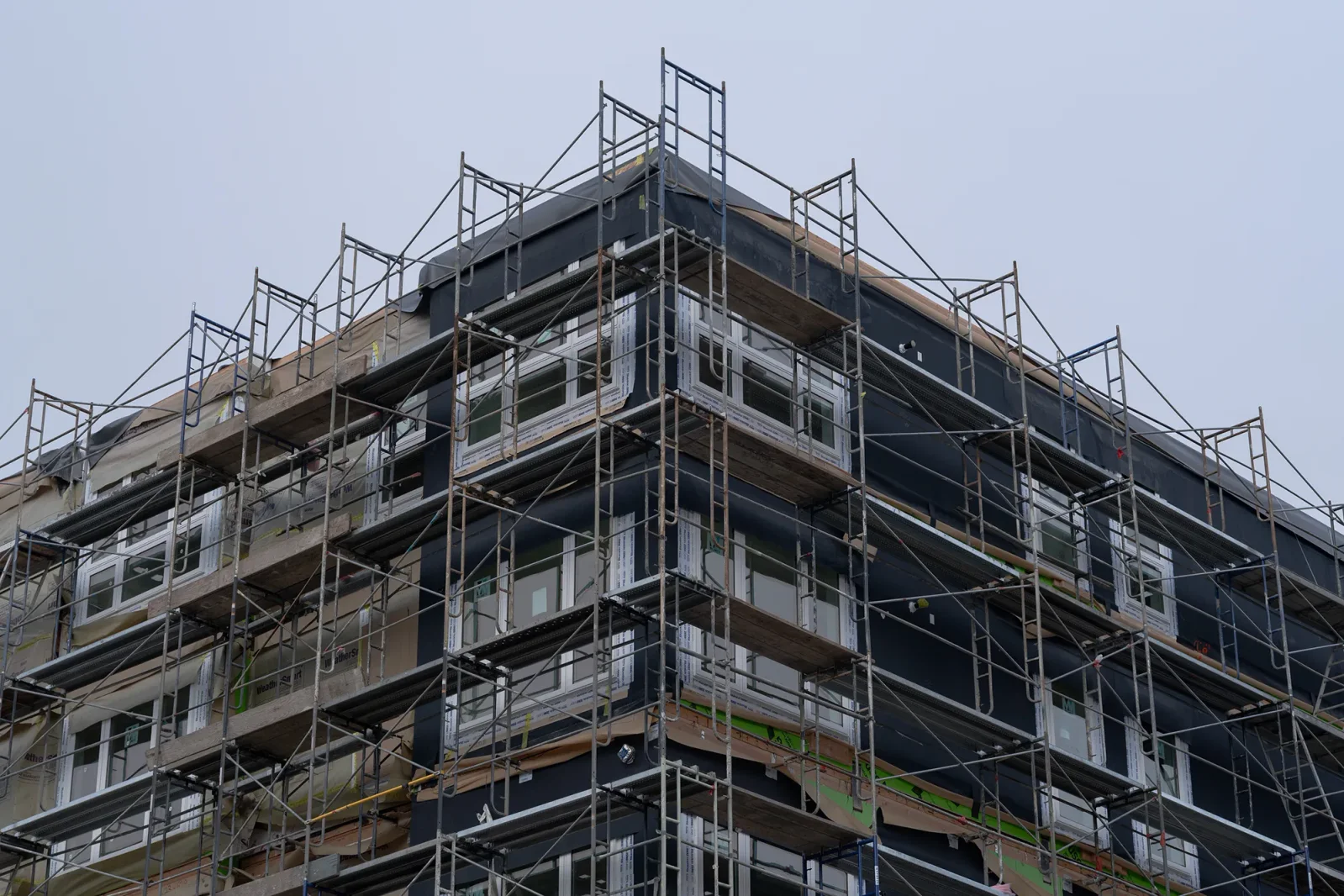
California lawmakers led by Assemblymember Buffy Wicks are reviving factory-built housing as a way to cut costs and speed up construction amid a housing shortage. The piece traces the idea’s long history—from early 1970s attempts to modern mass production to the collapse of Katerra—and outlines current momentum, including hearings and Terner Center research. The allure is potential hard-cost savings (roughly 10–25%) and faster timelines, but challenges loom: massive upfront factory costs, financing risks, the need for continuous production, local permitting and code hurdles, and labor politics. Proposals range from insuring projects to standardizing building codes and building a pipeline of off-site projects, but a scalable, statewide shift remains uncertain even as California presses ahead in 2026.

New regulations in Scotland will allow social landlords to evict domestic abusers from social housing through court orders, aiming to better protect victims and address homelessness caused by abusive relationships, with the measures set to take effect from August 1, 2026.

Maryland's government cites a 96,000-unit housing underproduction as a key statistic to address the state's housing shortage, but experts warn that this figure is complex and does not directly reflect the number of unhoused people, highlighting ongoing challenges in housing affordability and policy solutions.

Economists widely oppose Zohran Mamdani's proposed rent freeze in NYC, arguing that while it offers short-term relief, it exacerbates long-term housing shortages, misallocates resources, and deepens inequality, emphasizing the need for increased housing supply rather than price controls.

Rising rental costs and limited housing availability are leading to an increase in homes without lounges, especially in London, where nearly 41% of shared housing ads lack a living room. Tenants are sacrificing communal space to reduce costs, which may contribute to social isolation and impact social interactions. Landlords turn lounges into bedrooms to cover higher mortgage costs, further reducing communal areas for tenants.

A new law in England significantly enhances renters' rights by allowing more flexible tenancy agreements, restricting no-fault evictions, regulating rent increases, and introducing standards for property conditions, aiming to provide greater security and fairness for tenants while posing challenges for landlords.
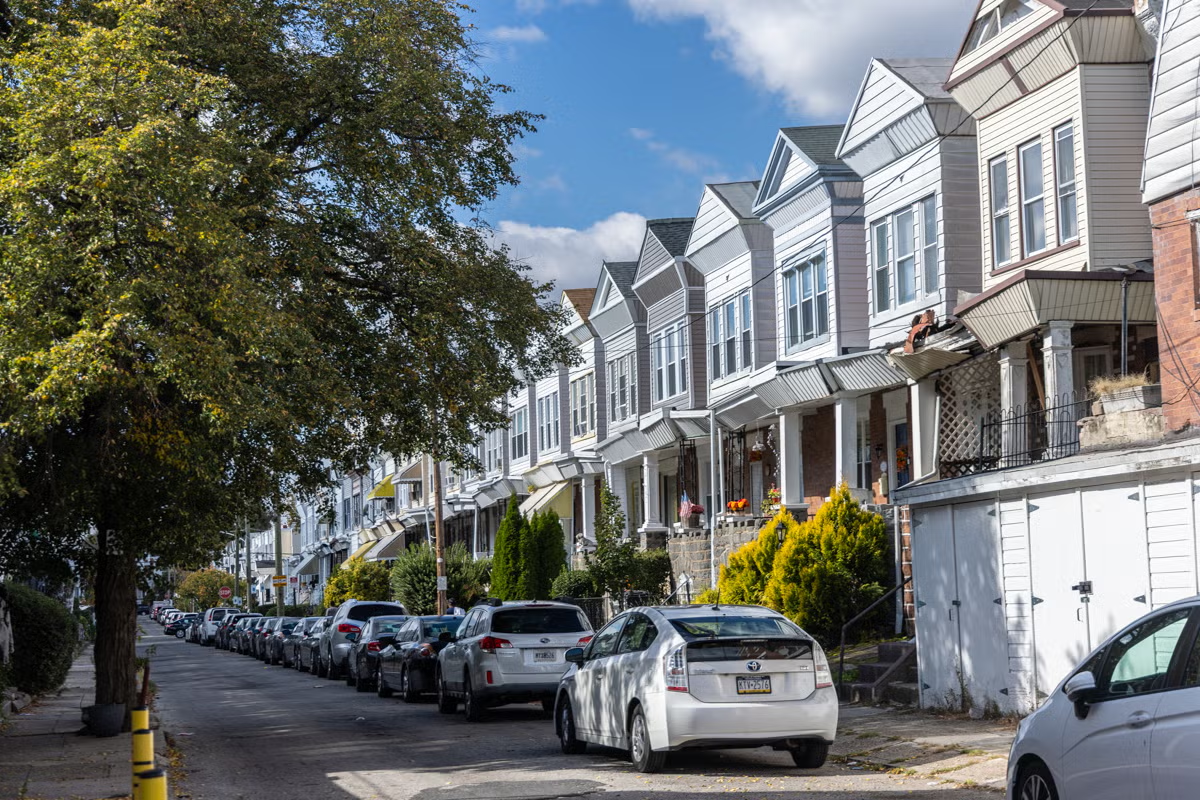
A report reveals that corporate investors bought a quarter of Philadelphia's single-family homes from 2017 to 2022, mainly in Black and Hispanic neighborhoods, raising concerns about affordability, displacement, and community stability, while also highlighting some positive impacts like property upgrades. The study calls for policy changes to increase transparency and protect residents from negative effects of investment activities.

Utah aims to address its housing shortage and high prices by building 35,000 affordable starter homes over five years, with developers like Nilson Homes creating smaller, cost-effective houses to help first-time buyers, despite slow progress and zoning challenges.
The ROAD to Housing Act of 2025, a bipartisan bill supported by numerous housing stakeholders, aims to address the US housing crisis by increasing supply, improving affordability, and modernizing housing programs through reforms in zoning, land use, and federal oversight, with broad backing from industry groups, local governments, and advocacy organizations.