
DHS Proposes Eliminating 60-Day Grace Period for H-1B Workers After Job Loss
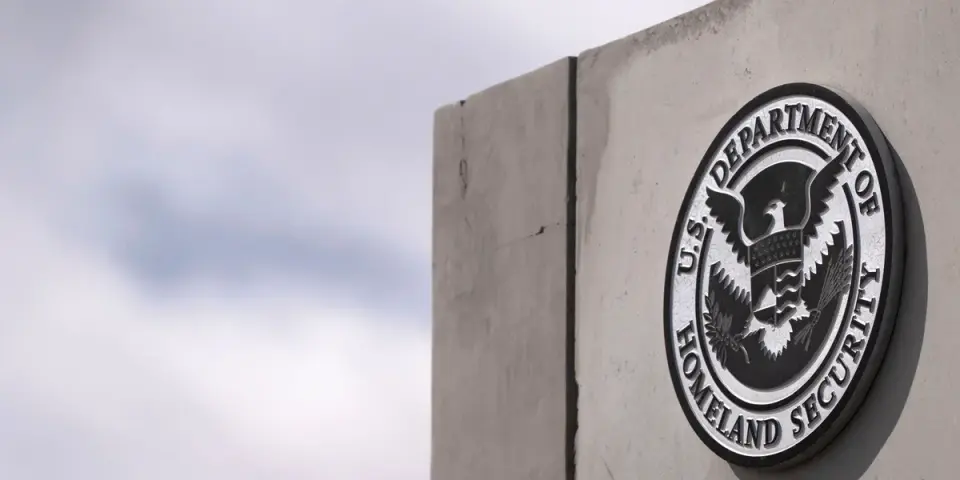
The Department of Homeland Security (DHS) has proposed a rule to eliminate the 60-day grace period that allows H-1B and other skilled visa holders to remain in the US after losing their jobs. Under the current 2017 regulation, workers have two months to find a new sponsor or prepare for departure. The new proposal would require immediate departure upon termination, shifting the burden of re-entry to the State Department. DHS argues this reduces administrative burdens and restores a direct link between status and employment, while critics warn it will harm workers and employers.
Key points
- DHS released a proposed rule on September 10, 2026, to end the discretionary 60-day grace period for H-1B, L-1, O-1, TN, and E visa holders.
- The grace period, established in 2017, allows workers to stay in the US to seek new employment or arrange departure after a job loss.
- DHS estimates that between 2021 and 2025, approximately 65,752 workers used this window annually, with less than 6% securing a new sponsor within that time.
- If finalized, laid-off workers would need to leave the US and apply for new visas at embassies, a process critics say is already overburdened.
- A 60-day public comment period will follow the proposal's publication in the Federal Register.
Background
This move is part of the Trump administration's broader efforts to restrict legal immigration and tighten work visa regulations since January 2025. Previous actions included increasing visa fees and pausing immigrant visa appointments. The proposal follows earlier discussions in August 2026 regarding the potential loss of grace periods and work permits for spouses of H-1B holders. While the tech sector has faced significant layoffs, as seen in recent union ratifications and corporate restructuring, this specific policy targets the immigration status of displaced foreign workers rather than domestic labor protections.
How outlets are covering it
Bloomberg Law highlights the administrative rationale, noting DHS claims the change reduces burden and restores the link between status and employment. The Washington Post frames the move as part of a broader restriction on legal immigration, emphasizing the immediate requirement for workers to leave. India Today focuses on the disproportionate impact on Indian tech professionals, who constitute a large share of H-1B holders, and notes that major firms like TCS and Infosys are significant sponsors. Jeff Joseph of the American Immigration Lawyers Association argues that eliminating the window shifts the burden to the State Department and adds financial costs for employers who must fund repatriation. DHS counters that affected positions could be offered to US workers or filled via the I-129 petition process.
Why it matters
The elimination of the grace period would significantly alter the labor market for skilled foreign workers, potentially forcing immediate departures and disrupting hiring processes for US companies. It could increase costs for employers and reduce the flexibility of the US labor market for high-skilled roles, while also placing additional strain on consular services for visa processing.
What to watch
The public will have 60 days to submit comments on the proposed rule after its publication in the Federal Register. DHS will review these comments before deciding whether to finalize the rule. If finalized, the new policy would take effect, requiring immediate departure for affected visa holders upon job loss.
- H-1B Worker Grace Period After Layoff Nixed in DHS Proposal (1) Bloomberg Law News
- New rule would require some visa holders to leave U.S. immediately after losing job The Washington Post
- Trump administration proposes waiving grace period for H-1B holders after job loss Reuters
- Trump seeks end to 60-day H-1B grace period, Indian tech workers in crosshairs India Today
- DHS Reveals Details of Axing H-1B Visa Holders’ Grace Period Newsweek
Want the full story? Read the original reporting
Read on Bloomberg Law News