President Trump signaled willingness to negotiate with the incoming Democratic-led Congress, leveraging his veto power to force bipartisan deals on healthcare, immigration, and college sports regulations.
Tejano singer Bobby Pulido won his third Latin Grammy for Best Tejano Album on Nov. 12, just days after defeating Republican Monica De La Cruz in Texas’s 15th District. He announced his retirement from music to focus on politics, stating he will prioritize comprehensive immigration reform and economic stability in the Rio Grande Valley.
The Department of Homeland Security (DHS) has proposed a rule to eliminate the 60-day grace period that allows H-1B and other skilled visa holders to remain in the US after losing their jobs. Under the current 2017 regulation, workers have two months to find a new sponsor or prepare for departure. The new proposal would require immediate departure upon termination, shifting the burden of re-entry to the State Department. DHS argues this reduces administrative burdens and restores a direct link between status and employment, while critics warn it will harm workers and employers.
The Trump administration has proposed a $103,265 fee for H-1B visa petitions, aiming to fund immigration courts and enforcement. This regulatory move follows a federal judge’s ruling that struck down a previous executive order imposing a similar fee. The new proposal includes a 30-day comment period and could be finalized by year’s end, potentially impacting industries reliant on skilled foreign workers.
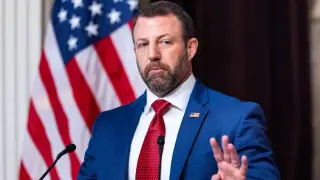
DHS Secretary Markwayne Mullin faces conservative backlash after advocating immigration reform and visa program changes while stressing enforcement, with critics arguing his remarks clash with later anti-amnesty posts.
Johnson’s hold on a razor-thin, fractious House GOP is fraying as hardliners led by Chip Roy threaten to block floor votes on border-security legislation (HR 2) and other priorities, demanding broad immigration concessions. With Trump pressuring allies and a looming midterm, Johnson is considering a reconciliation path to push an elections overhaul while trying to prevent a wider mutiny that could derail spending and defense bills. The chaos underscores a rare leadership test in modern Congress.
A detailed profile of Xavier Becerra tracing his methodical, debate-first leadership style from a 1990s freshman challenging the Ways and Means chair to a gubernatorial frontrunner, highlighting his policy stances on immigration and health care, his tenure as California attorney general and HHS secretary, and the tensions with Pelosi and the White House that have shaped his career and current bid.
The White House Correspondents’ Dinner shooting did little to move lawmakers on DHS funding: the Senate-passed bill excluding ICE/CBP sits in the House while Republicans push for full DHS funding and oppose reform, and Democrats insist on attaching immigration-enforcement reforms. Leaders traded barbs over process, with little sign of a near-term deal as centrists call for some compromise while the stalemate continues.
The Senate again blocked a measure to fund the Department of Homeland Security through September (51-46), falling short of the 60-vote threshold and prolonging a partial government shutdown about a month in. Democrats and Republicans remain far apart on ICE/CBP reforms, trading blame as security lines grow longer and TSA staffing struggles intensify; only Senator John Fetterman voted with the Democrats in favor. Proposals from the White House on reforms, including body cameras and other safeguards, have not yet broken the deadlock.
Democrats gain a House seat with Rep.-elect Christian Menefee’s swearing-in, tightening Speaker Mike Johnson’s margin (the chamber sits at 218 Republicans to 214 Democrats) ahead of a two-week DHS funding package. The push centers on immigration enforcement reforms and resisting the attached SAVE Act, while Democrats demand full debate on the rules. The House Rules Committee faces a path to final passage by Tuesday amid GOP unity concerns, Trump urging no changes, and the broader risk of a shutdown if a deal isn’t reached.
With a Friday funding deadline approaching, Senate Republicans are pressuring for codified DHS reforms to temper immigration enforcement, aiming for a separate DHS bill or changes folded into the funding package, while Democrats insist reforms must be enacted in law rather than rely on executive action. Procedural hurdles and House resistance loom large as both parties seek a bipartisan path, amid safety concerns raised by recent shootings and a tough political climate around immigration and enforcement.
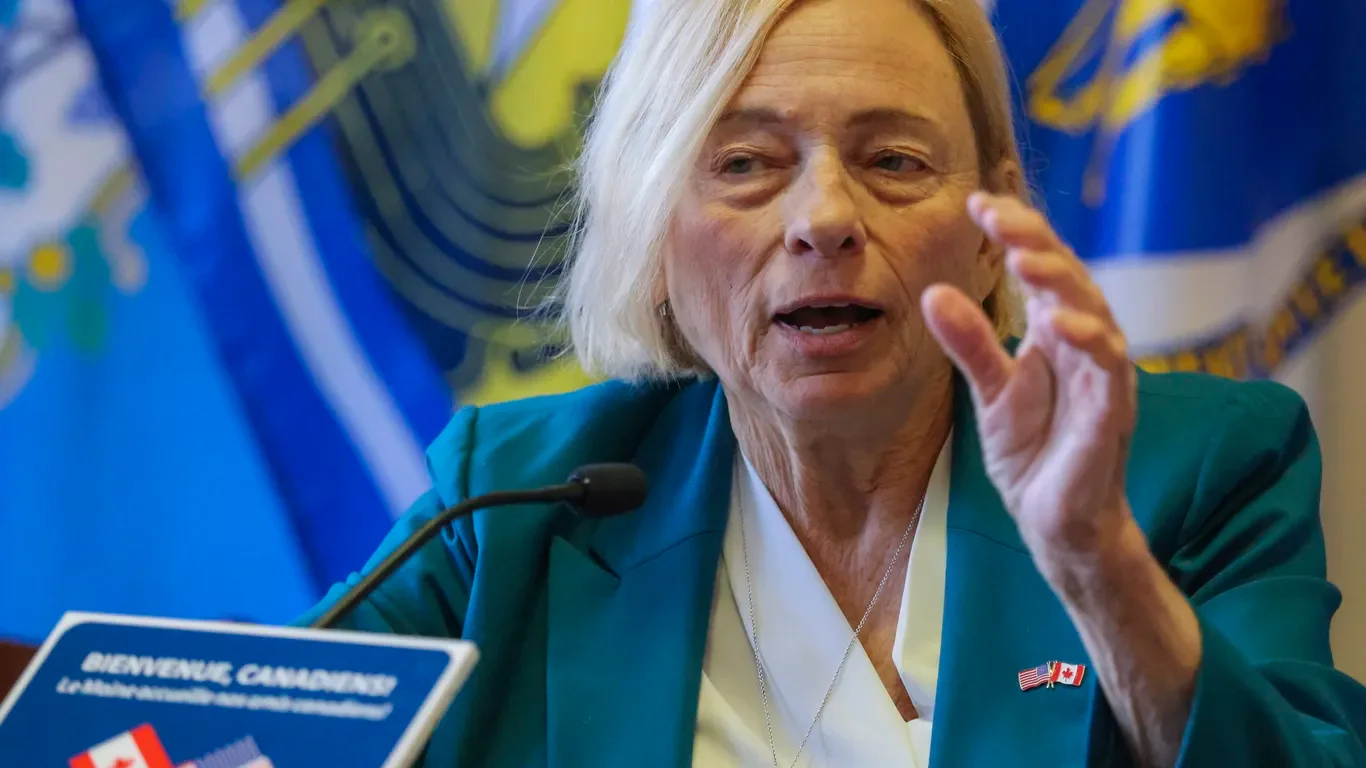
Maine Gov. Janet Mills flew to California for three high-dollar Senate fundraisers this week, inviting donors in San Francisco, Silicon Valley, and the East Bay, while federal agents launched an immigration-enforcement operation in Maine. Her team said the trip was for a previously scheduled event and Mills cut it short to return to Maine, where she criticized ICE as “secret police.” The disclosures come as Mills contends with a competitive Democratic primary and as incumbent politicians often host out-of-state fundraisers; the piece notes her fundraising rivals and the broader practice of destination fundraising.
House Speaker Mike Johnson plans to beat the January shutdown deadline by using a rule to merge the four remaining spending bills into a single six-title minibus, then forcing a Senate vote with a take-it-or-leave-it option, while giving Democrats a separate floor vote on Homeland Security funding. The approach has mixed support in the Senate and among Democrats, but Johnson argues the calendar gives Republicans leverage as they push the package through.
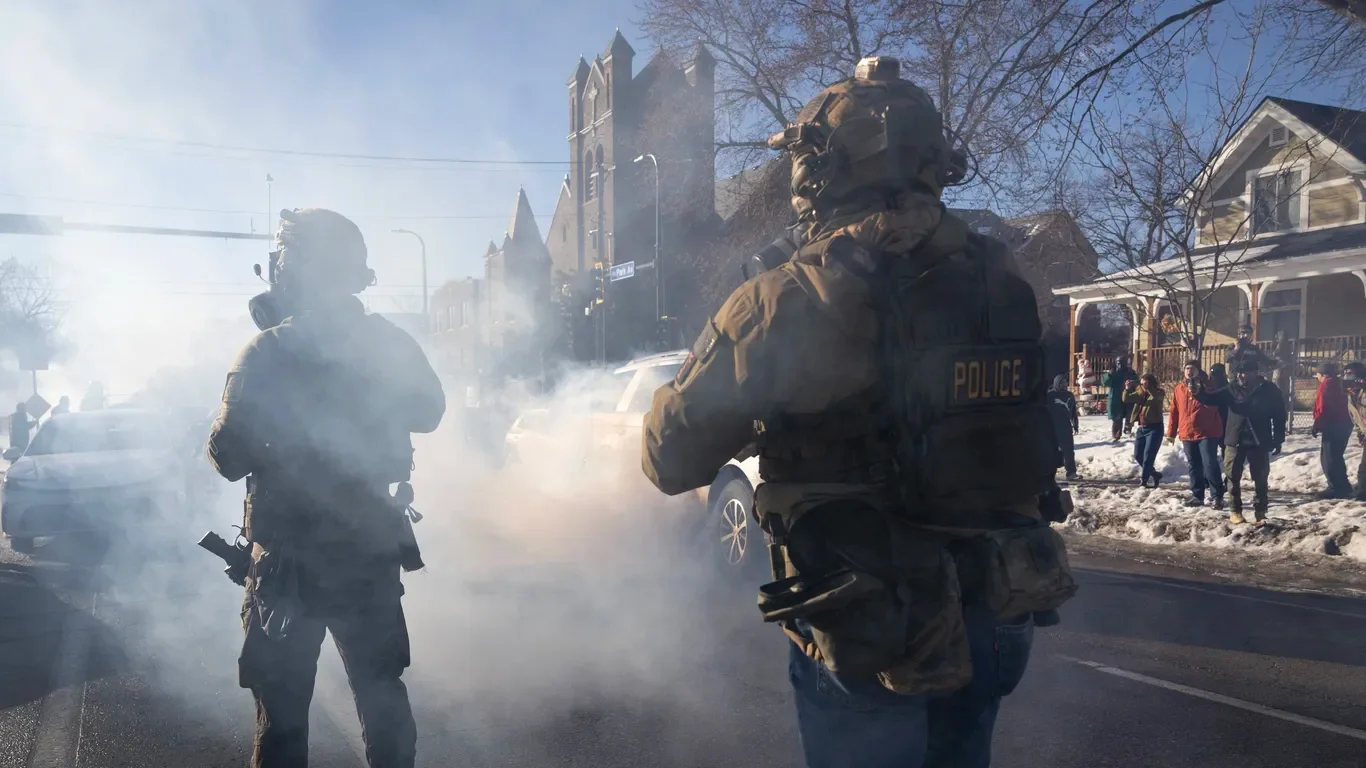
Americans are increasingly uneasy about broad ICE enforcement after an ICE agent fatally shot Renee Good in Minneapolis, with Axios outlining five flashpoints: Good’s Minnesota shooting; DHS/DOJ investigations into ICE’s Minnesota raid; a CBP shooting in Portland; a Minnesota woman dragged from her car during an ICE operation in a viral video; and the Oglala Sioux Tribe’s claim that ICE held tribal members, fueling protests and political backlash as polls show many view ICE as making the country less safe (47%) and a majority say Good’s shooting was not justified (50%).
A Guatemalan man died of natural causes after being detained by ICE at Fort Bliss, Texas, while his wife was deported without seeing him again, raising concerns about inhumane conditions and medical neglect at detention facilities.