
First post-TPS deportation flight lands in Haiti, sending 161 people to Cap-Haïtien
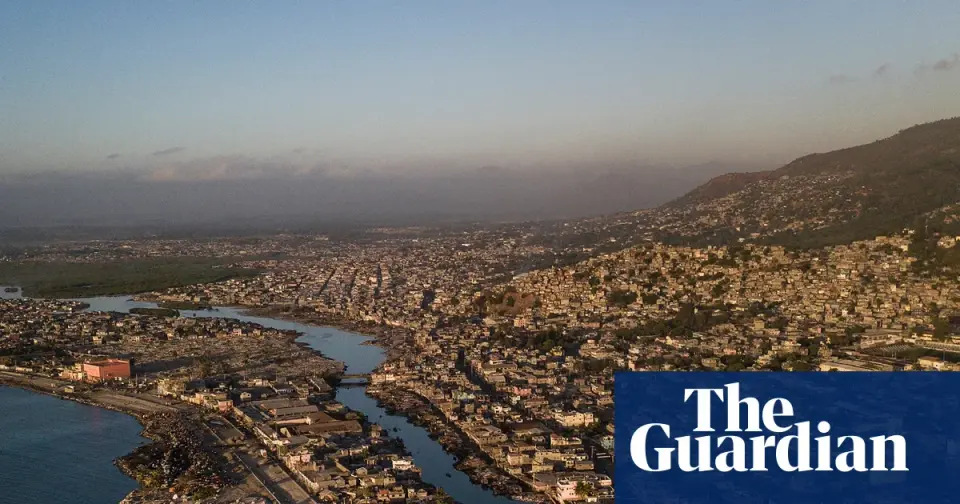
ICE deported 161 people to Cap-Haïtien on Thursday, the first flight since the Supreme Court upheld the end of Temporary Protected Status for 350,000 Haitians. The flight landed in the north because Port-au-Prince is deemed too dangerous due to gang violence. Critics warn the deportees face severe risks, while the administration insists removals are necessary.
Key points
- ICE sent 161 people to Cap-Haïtien, Haiti’s second-largest city, as the first deportation flight since the Supreme Court upheld the end of Temporary Protected Status (TPS) for 350,000 Haitians.
- The flight landed in Cap-Haïtien because the main airport in Port-au-Prince is considered too dangerous due to ongoing gang violence, which controls an estimated 70% of the capital.
- Deportees were given approximately $76.40 to help them travel, but many faced safety concerns and declined to speak with media.
- The flight included TPS holders, individuals with criminal records, and people born in other countries but with Haitian parents.
- Critics, including Ohio Governor Mike DeWine and immigrant rights groups, argue that deporting people to Haiti is dangerous and morally wrong, while the administration insists removals are necessary.
Background
The end of TPS for Haitians followed a Supreme Court ruling in June 2026 that upheld the Trump administration’s efforts to end the program. This decision led to the revocation of work permits and the deployment of ankle monitors for some Haitians in the US. The current deportation flight is part of a broader crackdown on immigration, with ICE conducting multiple flights to Haiti this year.
How outlets are covering it
The Guardian and CNN emphasize the dangers faced by deportees in Haiti, highlighting gang violence and the lack of resources to support them. The Washington Post focuses on the ramping up of immigration arrests and the impact on communities. CBS News provides a broader view, including the perspectives of Haitian officials and the challenges faced by deportees in finding their way back home. The administration, represented by DHS Secretary Markwayne Mullin, insists that removals are necessary and that Haiti is safe enough for returnees.
Why it matters
The deportation of 161 people to Haiti highlights the human cost of the Trump administration’s immigration policies. It underscores the risks faced by deportees in a country with severe gang violence and limited resources. The decision to end TPS for 350,000 Haitians has significant implications for their lives and the communities they have built in the US.
What to watch
ICE is expected to continue deporting Haitians, with more flights planned. Advocates and community leaders are likely to continue pressing for the restoration of TPS and to highlight the dangers faced by deportees in Haiti. The situation in Haiti, including gang violence and the lack of resources, will likely remain a focal point in discussions about immigration policy.
- First deportation flight lands in Haiti after TPS suspension The Guardian
- First deportees arrive in Haiti after U.S. ends TPS protection: "They just sent me here" CBS News
- In the city where Haitian deportees are being sent, locals say they’re not ready CNN
- ICE begins deporting Haitians who lost TPS back to homeland The Washington Post
- Trump admin sends 1st deportation flight to Haiti since ending temporary protected status ABC News - Breaking News, Latest News and Videos
Want the full story? Read the original reporting
Read on The Guardian