
Haitian Families Torn Apart at Canadian Border as TPS Ends
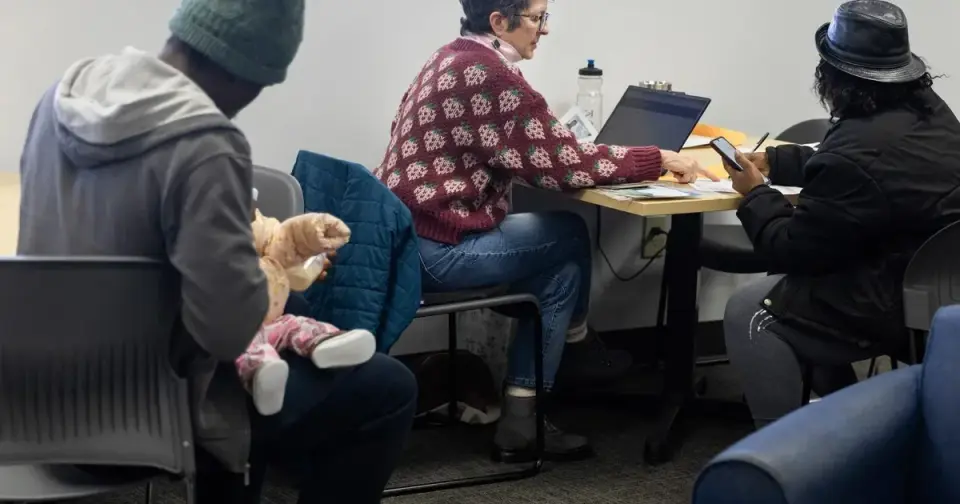
The termination of Temporary Protected Status (TPS) for over 300,000 Haitians in the U.S. has triggered a crisis at the Canadian border. Under the Safe Third Country Agreement, many families are being separated because the treaty’s exception for close relatives does not cover in-laws. As a result, spouses are often turned back into U.S. custody while children and other eligible relatives enter Canada. This has led to a spike in unaccompanied minors crossing the border and increased detention rates for Haitian adults in the U.S.
Key points
- The U.S. Supreme Court ruled in June 2026 that the Trump administration could terminate TPS for Haitians, effective July 27, 2026.
- Between January and November 2026, Canadian officials turned away over 1,300 people, many of them Haitian, citing the Safe Third Country Agreement.
- The agreement allows entry only for those with immediate relatives in Canada; in-laws do not qualify, forcing couples to choose between family unity and safety.
- Quebec child welfare officials reported a significant increase in unaccompanied minors crossing the border after parents were denied entry.
- Haitian communities in the U.S. face severe economic strain, loss of work permits, and heightened fear of detention and deportation.
Background
In late 2025, the Trump administration began overhauling U.S. immigration policies, including suspending asylum access and canceling humanitarian parole programs. These measures preceded the termination of TPS for Haitians, which was upheld by the Supreme Court in June 2026. The U.S. State Department maintains a 'Do Not Travel' advisory for Haiti due to gang violence, yet the administration has asserted the country is safe for return. Meanwhile, Canada has halted deportations to Haiti, creating a disparity that drives Haitians to seek asylum north despite strict border rules.
How outlets are covering it
The Seattle Times and The New York Times highlight the human toll, detailing specific cases of family separation at the border, such as the François-Pierre family. They emphasize the emotional and logistical barriers faced by families trying to reunite. PBS FRONTLINE focuses on the conditions in Haiti, noting that armed gangs control up to 90% of Port-au-Prince, which contradicts the U.S. government’s claim that Haiti is safe for return. Baptist Press offers a community-focused perspective, noting that Haitian Southern Baptists are grappling with economic hardship and loss of work permits but are maintaining gratitude and community support. Clarin.com provides a broader economic analysis, noting that the loss of TPS has caused staffing shortages in healthcare, manufacturing, and agriculture, and has invalidated driver’s licenses in states like Ohio and Florida. While the U.S. Department of Homeland Security maintains that it does not separate families arriving together, advocates and lawyers argue that the Safe Third Country Agreement’s strict interpretation effectively forces separation by denying entry to spouses without immediate relatives in Canada.
Why it matters
The termination of TPS for Haitians has created a humanitarian crisis at the U.S.-Canada border, leading to widespread family separation and increased detention rates. The strict enforcement of the Safe Third Country Agreement, which does not account for in-laws, forces families to choose between staying in the U.S. and facing deportation or splitting up to seek safety in Canada. This situation highlights the tension between U.S. immigration policy and the realities of violence in Haiti, as well as the economic impact of losing a significant workforce in key industries. The crisis also raises legal and ethical questions about the definition of 'safe third country' and the treatment of unaccompanied minors at the border.
What to watch
Legal challenges to the Safe Third Country Agreement are ongoing, with some arguing that the U.S. can no longer be considered a safe third country for Haitians. Congress is expected to address the TPS issue in the new session, with some lawmakers advocating for an extension. Meanwhile, Haitian communities in the U.S. are likely to continue facing economic hardship and fear of detention, while Canada may face increased pressure to adjust its border policies to accommodate more asylum seekers from Haiti. The situation will likely remain volatile as the U.S. government continues its push to deport 1 million immigrants per year.
- Why families fleeing the U.S. are being separated at the Canadian border The Seattle Times
- Some Haitian Families Fleeing the U.S. for Canada Are Being Separated at the Border The New York Times
- Inside the Haiti Deportation Crisis PBS
- Haitian Southern Baptists grateful at Thanksgiving despite protected status loss Baptist Press
- Haiti Temporary Protected Status impact: How ending TPS stripped 350,000 of status and split families Clarin.com
Want the full story? Read the original reporting
Read on The Seattle Times