
Canada rejects US defense criticism, asserts sovereignty amid Pentagon spending dispute
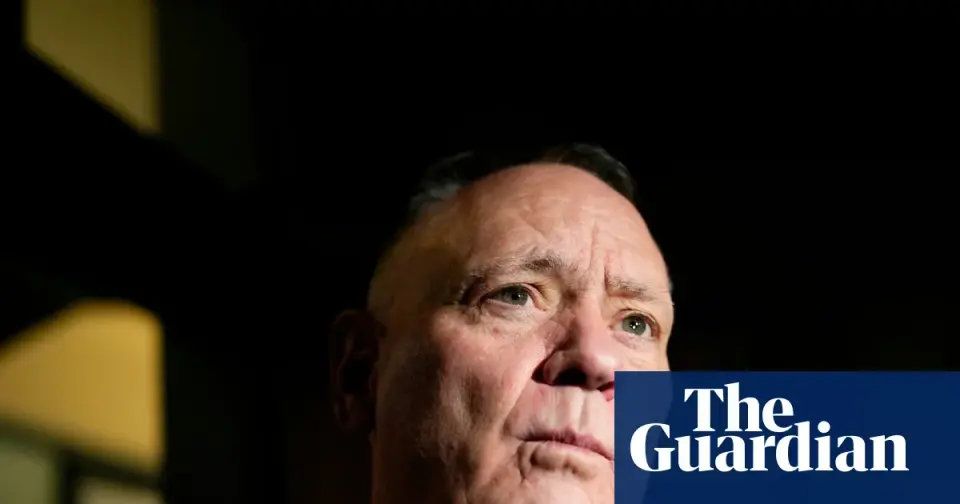
Canadian Defense Minister David McGuinty stated that Canada is a sovereign nation that does not report to the United States, responding to a Pentagon memo criticizing Ottawa’s defense spending and military readiness. The memo, released by Defense Secretary Pete Hegseth, alleged Canada had failed to meet previous commitments and relied on US taxpayers. While Washington criticized Canada’s delayed decisions on F-35 fighter jets and potential purchase of Swedish Gripen aircraft, Ottawa maintained that cooperation through NORAD and NATO remains unchanged. The dispute occurs as Canada aims to reach 5% of GDP on defense by 2035, though the Pentagon argues current plans are insufficient.
Key points
- Defense Minister David McGuinty asserted Canada is a sovereign nation that does not report to the US, rejecting Pentagon criticism of its defense capabilities.
- The Pentagon memo criticized Canada for taking nearly two decades to meet 2006 spending pledges and for prioritizing commercial interests over military optimization.
- Hegseth’s directive also restricts informal social interactions between US and Canadian military personnel, which Canadian officials described as a 'slap in the face.'
- Canada’s budget plans for 4% of GDP on defense by 2030 and 5% by 2035, including purchases of submarines and early warning aircraft, remain on track despite US objections.
- The US criticized Canada’s review of F-35 fighter jet purchases, warning that a mixed fleet could worsen personnel shortages and impact NORAD operations.
Background
Tensions between the US and Canada have escalated due to President Donald Trump’s trade war and threats to annex Canada as the 51st state. Recent developments include a classified memo from Hegseth restricting informal military interactions, which Canadian officials were unaware of until reported by The Washington Post. This follows earlier restrictions on US participation in the Halifax International Security Forum. Canada’s defense spending reached 2% of GDP in 2025, meeting NATO’s previous target, but the new 5% goal by 2035 is under scrutiny.
How outlets are covering it
The Guardian and AP News emphasize Canada’s sovereign response and McGuinty’s assertion that cooperation remains unchanged. Yahoo News Canada highlights the social restrictions in Hegseth’s memo, describing it as a 'slap in the face' and noting Democratic senators’ criticism of the directive. The Washington Post frames the memo as a classified directive escalating the feud, while AP News notes the Pentagon’s focus on Canada’s delayed spending increases and F-35 review. All sources agree that core military operations and intelligence sharing are unaffected, but differ on the severity of the diplomatic impact.
Why it matters
The dispute highlights growing friction between two NATO allies over defense spending and military cooperation. Canada’s push for increased defense spending and alternative aircraft purchases may reshape its military strategy, while US restrictions on informal interactions could strain long-standing alliances. The outcome may influence future NATO commitments and transatlantic security cooperation.
What to watch
Canada’s lead negotiator, Isabelle Hudon, is seeking to expand support for a new defense bank, aiming for up to €100bn in commitments. The US and Canada will continue to monitor the impact of Hegseth’s memo on military cooperation, while Canada’s budget plans for 2027-28 and 2035 will be closely watched. The 2029 NATO review of spending targets may further shape the dispute.
- Canada says it ‘does not report to the US’ after Pentagon memo criticizing military spending The Guardian
- Hegseth now requires American soldiers to get permission before socializing with their Canadian counterparts Yahoo News Canada
- Pentagon sharply criticizes Canada over modernizing military PBS
- In secret memo, Hegseth restricts U.S.-Canada defense relationship The Washington Post
- Canada's defense minister says his country answers to no one in Washington after a Pentagon rebuke AP News
Want the full story? Read the original reporting
Read on The Guardian