
One Year of US Maritime Strikes: 227 Dead, Zero Trials, and Rising Diplomatic Friction
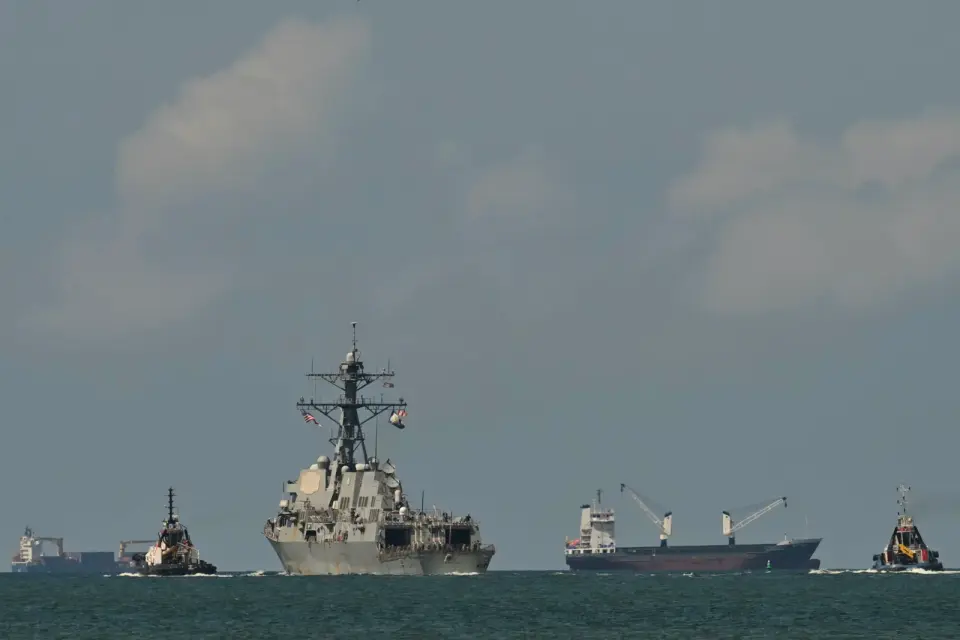
One year after the Trump administration began lethal military strikes against suspected drug vessels in the Caribbean and Pacific, at least 227 people have been killed with no public trials or evidence. Critics argue the campaign violates international law and fails to reduce cocaine availability, while the administration claims it has significantly disrupted trafficking networks. Families of victims, including fishermen, report no official identification or closure, and UN experts demand accountability for what they call extrajudicial killings.
Key points
- Since September 2, 2025, the US military has conducted 68 strikes on vessels in the Caribbean and eastern Pacific, killing at least 227 people labeled as 'narcoterrorists' by the administration.
- The Justice Department’s Office of Legal Counsel issued a secret memo declaring a 'non-international armed conflict' with drug cartels, but Congress has not authorized military force for these operations.
- UN human rights experts and legal scholars describe the strikes as unlawful extrajudicial killings, noting that drug trafficking is a law enforcement matter, not a military one, and that no armed conflict exists under international humanitarian law.
- Public reporting indicates cocaine availability, purity, and prices in the US have largely returned to pre-operation levels, suggesting the campaign has achieved little lasting strategic effect.
- Families of victims, including fishermen from Saint Lucia, Trinidad, and Colombia, report no official identification of their loved ones, no bodies to bury, and no communication from US or local authorities.
- Defense Secretary Pete Hegseth announced plans to expand the campaign to land operations in Latin America, citing cooperation with Ecuador, Colombia, and Panama, while accusing opponents of seeking ICC jurisdiction.
Background
The US has long relied on the Coast Guard and international partnerships for maritime drug interdiction, a model praised for its legality and effectiveness. The current policy abandons this approach in favor of lethal strikes, which critics argue undermine the rule of law and international trust. Earlier coverage of drug-related issues, such as domestic cocaine rings and piracy, highlights the broader challenges of narcotics trafficking but does not relate to the military strikes at sea.
How outlets are covering it
Just Security and retired Coast Guard officers argue the strikes are legally unsound, strategically counterproductive, and morally corrosive, emphasizing that drug smugglers are criminals, not combatants. Al Jazeera highlights the human cost, focusing on families of fishermen who were likely killed in strikes, and notes the lack of transparency and accountability. Mother Jones reports on the scale of the campaign, noting 227 deaths and 68 strikes, and quotes the UN Human Rights Office condemning the strikes as extrajudicial. Stars and Stripes reports on UN experts demanding accountability and notes that the Pentagon’s inspector general found no congressional authorization for the strikes. The US administration, via Defense Secretary Pete Hegseth, defends the campaign as a 'resounding success' that has reduced drug vessel movements by 50-65%, while the White House maintains the strikes are lawful and necessary to protect Americans.
Why it matters
The campaign raises profound questions about the rule of law, the use of military force in peacetime, and the balance between national security and human rights. It threatens to erode international partnerships and the credibility of US maritime forces, while failing to achieve its stated goal of reducing drug availability. The lack of transparency and accountability, combined with the potential for expansion to land operations, could set a dangerous precedent for future military actions against non-state actors.
What to watch
The UN experts have called for an independent investigation and full reparation for victims. Legal challenges are underway in US federal courts and the Inter-American Commission on Human Rights. The administration may expand the campaign to land operations in Latin America, as announced by Hegseth. The ICC has not announced an investigation, but the US has warned against such a move. The future of the campaign depends on whether Congress will authorize the use of force, whether international partners will continue to cooperate, and whether the legal challenges will succeed in halting the strikes.
- America’s War on Drug Smugglers at Sea Is Unlawful—and It Is Failing Just Security
- A year into Trump’s boat strike campaign, families search for answers Al Jazeera
- Pete Hegseth’s Year of Blowing Up Boats Mother Jones
- UN experts demand accountability 1 year into US military drug-boat strikes stripes.com
- Return of Trump's boat strike campaign reignites questions of legality -- and usefulness ABC News - Breaking News, Latest News and Videos
Want the full story? Read the original reporting
Read on Just Security