
US Sanctions ICC President and Senior Lawyer Amid Broader Court Dismantling Campaign
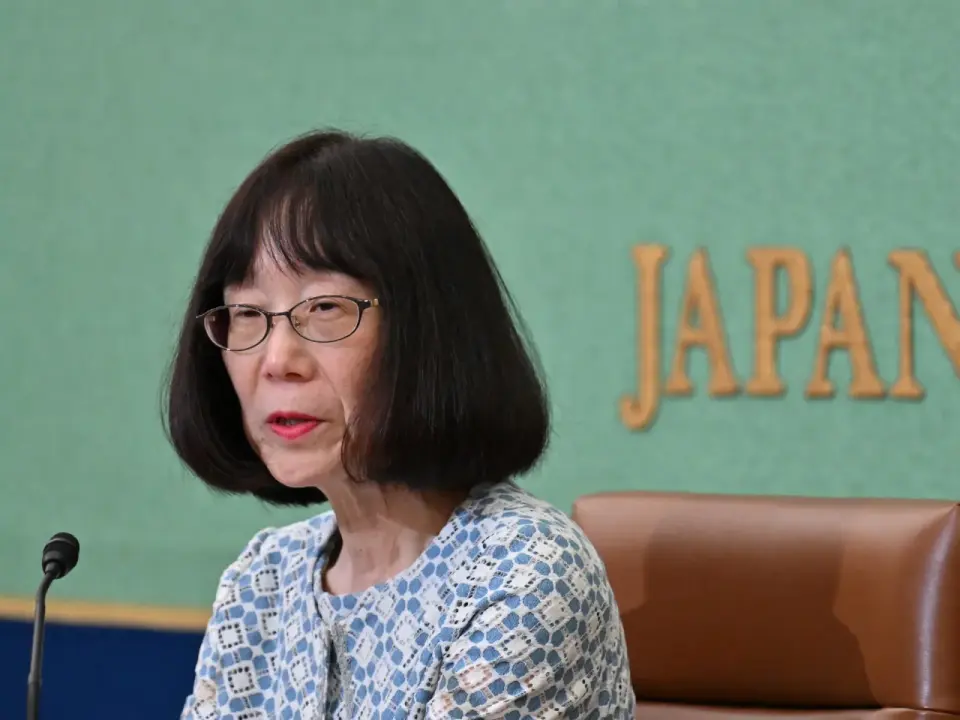
The US government has sanctioned International Criminal Court (ICC) President Tomoko Akane and Senior Trial Lawyer Abdoulaye Seye, marking the latest escalation in a broader campaign to dismantle the Hague-based tribunal. Secretary of State Marco Rubio justified the move as necessary to protect US sovereignty, while the ICC and human rights groups condemned the actions as unlawful interference with judicial independence.
Key points
- The US State Department imposed sanctions on ICC President Tomoko Akane and Senior Trial Lawyer Abdoulaye Seye, freezing their assets and restricting US-based transactions.
- Secretary of State Marco Rubio stated the sanctions are part of a mission to 'dismantle' the ICC, which he described as a 'corrupt and fatally politicized supranational court.'
- The ICC responded by stating that threatening judicial actors undermines the rule of law and places the international legal order at risk.
- The US has previously sanctioned over a dozen other ICC officials, including judges and prosecutors, citing investigations into US and Israeli actions.
- Four US human rights organizations recently sued the Trump administration, arguing the sanctions violate constitutional rights and prevent victims from seeking justice.
Background
This development follows a series of escalating tensions between the US and the ICC. In July 2026, Rubio publicly vowed to dismantle the court and urged its 125 member states to withdraw. Prior to this, the US had sanctioned ICC prosecutor Karim Khan and other officials over investigations into alleged war crimes in Afghanistan and Gaza. In June 2026, three ICC judges sued the US administration, calling the sanctions 'arbitrary and capricious.' The current sanctions target Akane, who has led the court since March 2024, and Seye, who is involved in investigations regarding Israeli actions in the West Bank and Gaza.
How outlets are covering it
Al Jazeera and The Guardian emphasize the US administration's explicit goal to 'dismantle' the ICC, highlighting Rubio's rhetoric that the court is a 'sham' and a threat to sovereignty. The Guardian notes that Seye is overseeing investigations into Israeli funding for settlements, linking the sanctions directly to Israel-related cases. BBC provides a broader legal context, noting that the ICC was established in 2002 and that the US has historically rejected its jurisdiction. BBC also highlights the legal challenges, including lawsuits from human rights groups and ICC judges, arguing the sanctions are unconstitutional. ClickOnDetroit (AP) focuses on the practical impact of the sanctions, noting that they freeze assets and restrict access to the US financial system, while reiterating the US claim that the ICC has 'exceeded its mandate.' All sources agree on the factual details of the sanctions but differ in emphasis: Al Jazeera and The Guardian focus on the political motivation and the 'dismantling' campaign, while BBC and ClickOnDetroit provide more neutral reporting on the legal and financial implications.
Why it matters
The sanctions against the ICC’s top leadership signal a significant shift in US foreign policy, moving from diplomatic pressure to direct financial and legal interference with international judicial bodies. This could set a precedent for other nations to follow, potentially weakening the ICC’s ability to investigate war crimes globally. The legal challenges and international condemnation suggest that the US actions may face prolonged legal and diplomatic resistance, testing the limits of US extraterritorial enforcement against international institutions.
What to watch
The US may impose further sanctions on additional ICC officials or member states, as hinted by Rubio. The ICC and its supporters are likely to continue legal challenges in US courts and international forums. The situation may also influence the decisions of other ICC member states, some of whom have already announced plans to withdraw, potentially affecting the court’s global legitimacy and operational capacity.
- US sanctions International Criminal Court president and trial lawyer Al Jazeera
- US sanctions international criminal court president and prosecutor The Guardian
- US hits ICC president and senior prosecutor with sanctions in another move against the court ClickOnDetroit | WDIV Local 4
- US announces new sanctions on top ICC figures BBC
- Rubio announces sanctions on ICC president The Hill
Want the full story? Read the original reporting
Read on Al Jazeera