
ICC President Akane Defies US Sanctions in Remote UN Address
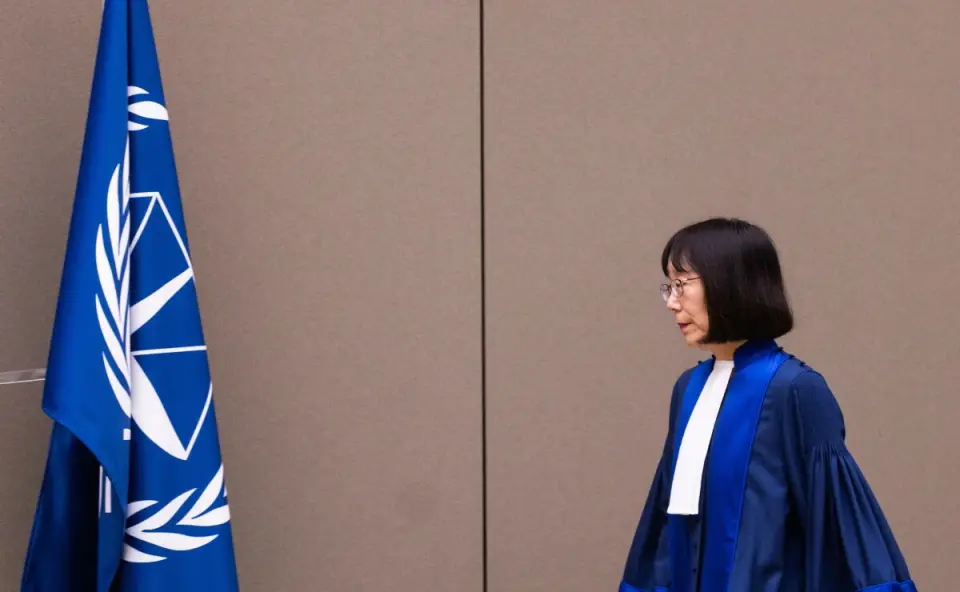
ICC President Tomoko Akane delivered a remote address to the UN General Assembly on Nov. 2, 2026, vowing the court would continue its mandate despite US sanctions. The US imposed sweeping penalties on the ICC on Oct. 9, 2026, hours after former judge Navi Pillay won the Nobel Peace Prize. Akane called on all 193 UN members to defend the court, while the EU and other nations pledged support. The US, not an ICC member, seeks to dismantle the tribunal over investigations into its allies.
Key points
- Judge Tomoko Akane addressed the UN General Assembly via pre-recorded video on Nov. 2, 2026, due to US sanctions restricting her travel.
- The US imposed sweeping sanctions on the ICC on Oct. 9, 2026, targeting the institution itself rather than just individuals, as announced by Secretary of State Marco Rubio.
- Akane emphasized the timing of the sanctions, which coincided with the Nobel Peace Prize award to former ICC judge Navi Pillay, highlighting a stark contrast in global values.
- The ICC reported that over 23,500 victims participated in proceedings during the reporting period, with 34 publicly known arrest warrants remaining outstanding.
- The US is not a party to the Rome Statute, but its sanctions aim to cripple the court's resources and operations, particularly affecting its ability to function in Ukraine and Africa.
Background
The ICC was established in 2002 to prosecute war crimes, crimes against humanity, and genocide. The US has not been a party to the court but played a role in its creation. In 2023, Russia placed Akane on a wanted list after the ICC issued an arrest warrant for Vladimir Putin. In 2024, the ICC issued an arrest warrant for Israeli Prime Minister Benjamin Netanyahu, leading to US sanctions against ICC officials. The US has long criticized the ICC for overstepping its authority, particularly regarding investigations into US soldiers and Israeli leaders.
How outlets are covering it
AP News and the ICC's official press release highlight Akane's defiance and the court's commitment to its mandate despite US sanctions. Nippon.com provides background on Akane's 2025 book, 'Fighting War Crimes,' where she warned of the potential collapse of the ICC if sanctions were imposed. Time Magazine focuses on the European response, detailing the EU's award of the Sakharov Prize to the ICC and the debate over activating the EU blocking statute to counter US sanctions. The sources agree on the severity of the US actions but differ in emphasis: AP and the ICC focus on the court's resilience, while Time and Nippon.com highlight the broader implications for international law and the potential for US-Europe tensions.
Why it matters
The US sanctions against the ICC threaten the stability of the international legal order and the court's ability to prosecute war crimes. The conflict between the US and the ICC reflects deeper tensions over the role of international institutions in global governance. The outcome of this dispute could set a precedent for the enforcement of international law and the protection of human rights worldwide.
What to watch
The EU is considering activating its blocking statute to shield European firms from US sanctions, though this could escalate tensions. The ICC expects to face banking difficulties and operational challenges as the sanctions take effect. The US has not commented on Akane's remarks, and the court continues to pursue its mandate, with 34 arrest warrants outstanding. The international community is expected to debate the appropriate response to the US actions in the coming months.
- ICC president hits back at Trump administration penalties in remote UN address AP News
- Threats to the Global Rule of Law: A Warning from the ICC President Nippon.com
- How Europe Is Defying Trump by Rallying Around the ICC Time Magazine
- ICC President addresses United Nations General Assembly, Calls for renewed support amid threats | International Criminal Court
- Trump makes war on the International Criminal Court The Hill
Want the full story? Read the original reporting
Read on AP News