
US Sanctions Target ICC President and Senior Prosecutor Amid Escalating Court Dismantling Campaign
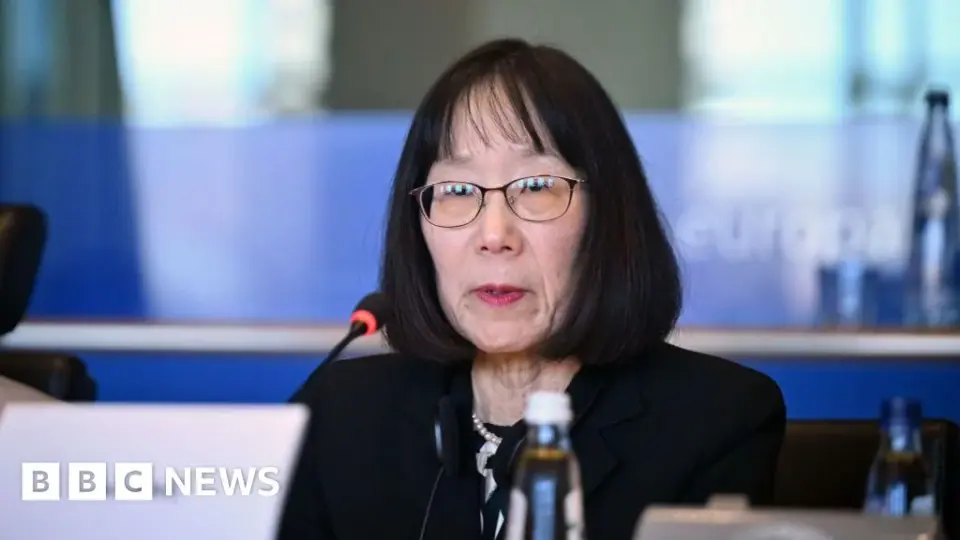
The US government has imposed new sanctions on International Criminal Court (ICC) President Tomoko Akane and senior trial lawyer Abdoulaye Seye, marking a significant escalation in the Trump administration's campaign to dismantle the court. Secretary of State Marco Rubio accused the ICC of abusing its authority by prosecuting officials from non-consenting nations. The ICC condemned the move as an attack on the rule of law, while Israel welcomed the action. This follows previous sanctions against 11 other ICC officials and ongoing legal challenges from human rights groups.
Key points
- US Secretary of State Marco Rubio announced sanctions against ICC President Tomoko Akane and senior trial lawyer Abdoulaye Seye, citing their involvement in prosecuting officials from countries that have not consented to ICC jurisdiction.
- The sanctions include asset freezes and travel bans, effectively cutting the individuals off from the US financial system, which impacts global banking transactions.
- The ICC responded by stating that targeting judicial actors undermines the rule of law and places the international legal order at risk, while reaffirming its support for its staff.
- This action is part of a broader US strategy to 'dismantle' the ICC, which has already sanctioned at least 11 other officials, including judges and the chief prosecutor, in retaliation for investigations into US personnel in Afghanistan and warrants against Israeli leaders.
- Four US human rights organizations, including Human Rights Watch, have sued the Trump administration, arguing that the sanctions are unconstitutional and prevent victims of war crimes from seeking justice.
Background
The US has opposed the ICC since Trump's first term, with the current administration intensifying efforts to undermine the court's operations. Previous sanctions targeted officials involved in investigations of US military actions in Afghanistan and Israeli leaders, including Prime Minister Benjamin Netanyahu, for alleged war crimes in Gaza. The ICC, established in 2002, has jurisdiction over member states and situations referred by the UN Security Council, but neither the US nor Israel are members. Recent developments include the ousting of ICC prosecutor Karim Khan over misconduct allegations, which did not affect existing warrants against Israeli officials.
How outlets are covering it
BBC and The Guardian report the sanctions as a direct response to the ICC's efforts to prosecute officials from non-consenting nations, highlighting the ICC's defense of its mandate and the legal challenges from human rights groups. The Jerusalem Post emphasizes the financial impact of the sanctions and notes Israel's welcome of the action, with Netanyahu calling the ICC a 'kangaroo court.' The Guardian adds that Seye is overseeing investigations into Israeli funding for settlements, while BBC notes the broader US campaign to persuade other countries to withdraw from the ICC. All sources agree on the core facts but differ in emphasis, with The Jerusalem Post highlighting Israel's perspective and the others focusing on the legal and diplomatic ramifications.
Why it matters
The sanctions against the ICC's top leadership signal a deepening conflict between the US and international legal institutions, potentially weakening the court's ability to prosecute war crimes and crimes against humanity. This move could set a precedent for other nations to challenge the ICC's authority, while the ongoing legal battles in US courts may test the limits of executive power in international affairs. The response from allies like the Netherlands and Japan, who have expressed disapproval, indicates a rift in US-Europe relations over the enforcement of international law.
What to watch
The US Treasury has authorized a wind-down of transactions involving Akane through September 17, 2026. The ICC is expected to continue its operations despite the sanctions, while the US may impose further measures if the court does not cease its activities. The lawsuits filed by human rights groups and ICC judges in US federal courts will likely proceed, with potential rulings on the legality of the sanctions under the International Emergency Economic Powers Act (IEEPA). The ICC may also seek support from its 125 member states to counter the US campaign to dismantle the court.
- US announces new sanctions on top ICC figures BBC
- US sanctions international criminal court president and prosecutor theguardian.com
- Rubio announces sanctions on ICC president The Hill
- US imposes sanctions on ICC President Tomoko Akane, according to Treasury Department The Jerusalem Post
- US sanctions International Criminal Court president, senior lawyer Reuters
Want the full story? Read the original reporting
Read on BBC