
Dutch FM Condemns US Sanctions on ICC Leadership Amid Gaza Probe Tensions
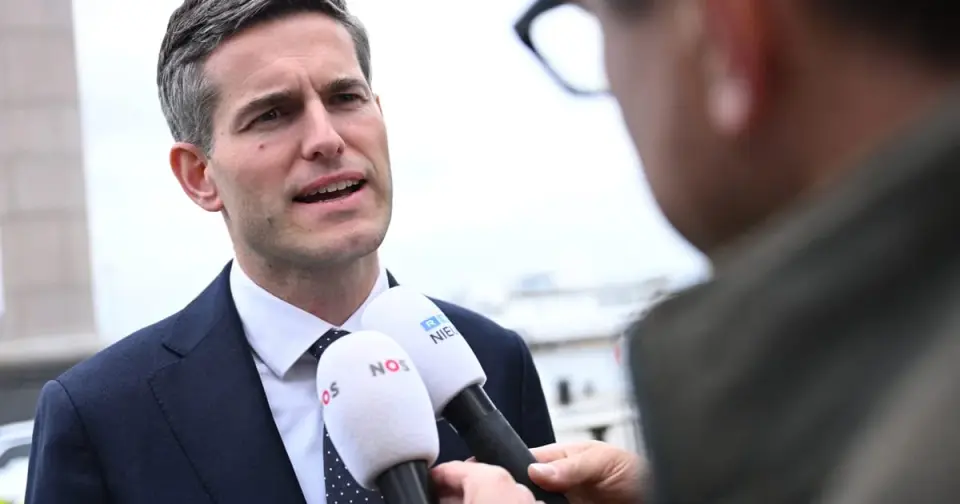
The US sanctioned ICC President Tomoko Akane and senior lawyer Abdoulaye Seye, escalating a campaign to dismantle the court. The Netherlands condemned the move, while the ICC and rights groups warned it undermines international law. Israel welcomed the action, which targets officials involved in probes into alleged Israeli war crimes in Gaza.
Key points
- US Secretary of State Marco Rubio sanctioned ICC President Tomoko Akane and Senior Trial Lawyer Abdoulaye Seye, citing their roles in investigating officials without state consent.
- The Netherlands’ Foreign Minister Tom Berendsen condemned the sanctions, stating international tribunals must freely carry out their mandates and reaffirming Dutch support for the ICC.
- The ICC warned that punishing judges and staff for their duties undermines the rule of law and risks the international legal order.
- The sanctions are part of a broader US effort to dismantle the ICC, which has already targeted at least 11 officials, including the former chief prosecutor.
- Israeli Prime Minister Benjamin Netanyahu praised the US move, calling the ICC a 'kangaroo court' and acknowledging the threat of further consequences for its officials.
Background
The US has long opposed the ICC, with President Trump previously labeling it a threat to sovereignty. In July 2026, the ICC removed its chief prosecutor, Karim Khan, amid misconduct allegations, though his lawyers argued the move was politically motivated. The current sanctions follow a campaign by the US to pressure the 125 member states of the ICC to withdraw from the organization.
How outlets are covering it
POLITICO and The Guardian emphasized the diplomatic backlash from the Netherlands and the ICC’s defense of its mandate. BBC highlighted the legal challenges from US human rights groups and the broader context of US opposition to the ICC. Inquirer.net focused on the specific targeting of Japanese ICC President Tomoko Akane. All sources agreed on the core facts but differed in emphasis: POLITICO and The Guardian stressed the international legal implications, while BBC and Inquirer.net highlighted the domestic US legal challenges and the specific individuals targeted.
Why it matters
The sanctions signal a significant escalation in the US’s campaign to dismantle the ICC, potentially weakening the court’s ability to prosecute war crimes, including those involving Israeli officials. The Dutch condemnation and ICC warnings highlight the risk to the international legal order and the principle of judicial independence.
What to watch
The US may impose further sanctions on ICC officials and continue urging member states to withdraw. The ICC and its supporters are likely to pursue legal challenges against the US sanctions, while Israel may face increased scrutiny from the court. The outcome of these actions could reshape the future of international justice and the ICC’s role in holding governments accountable for war crimes.
- Netherlands slams US sanctions on top ICC officials politico.eu
- US announces new sanctions on top ICC figures BBC
- US imposes sanctions on Japanese chief of International Criminal Court Inquirer.net
- US sanctions international criminal court president and prosecutor The Guardian
- US sanctions ICC president, senior trial lawyer on team seeking Netanyahu’s arrest The Times of Israel
Want the full story? Read the original reporting
Read on politico.eu