
Carney Sets Auto Red Line as Canada Diversifies Trade Amid US Tariff Standoff
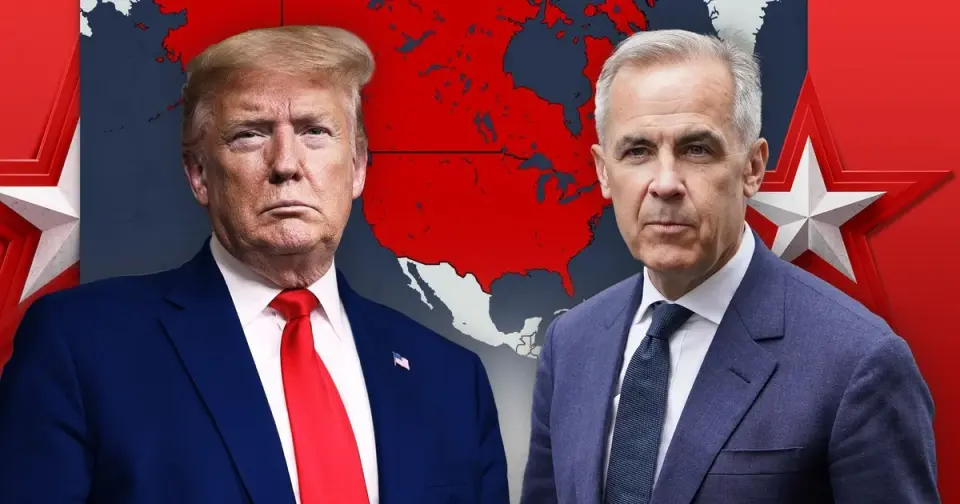
Canadian PM Mark Carney stated that Ottawa will not accept a US trade deal that harms its auto sector, even as talks resume. Simultaneously, Canada concluded trade negotiations with ASEAN and the Philippines to reduce US reliance, while South Africa increased trade with China following the loss of US duty-free access.
Key points
- Carney declared that any US agreement must ensure a viable Canadian auto sector, citing progress in recent calls with Trump, Jamieson Greer, and Stephen Miller.
- Canada suspended US negotiations in August after unacceptable demands, leading to 50% US tariffs on $20 billion in Canadian goods and retaliatory Canadian tariffs in September.
- Ottawa concluded free-trade talks with ASEAN (700 million people) and the Philippines, aiming to double non-US exports by 2035; the ASEAN deal could add C$2 billion to the economy.
- Stellantis agreed to sell its Brampton plant to Roshel, moving Jeep Compass production to Illinois and laying off over 2,000 workers; Ottawa gave the company 30 days to address funding breaches.
- South Africa’s trade with China surged 25% in exports and 23% in imports between May and August 2026, aided by Beijing’s zero-tariff policy for African goods.
- Canada’s C$142.1 billion 'Masters of Our Destiny' budget funds critical minerals, energy, and auto/steel support to reduce US economic reliance.
Background
This follows Canada’s October 2026 launch of an $8.7 billion industrial shield and the November 2026 'Masters of Our Destiny' budget, both designed to counter US tariffs and diversify trade. Earlier EU-Canada summit tensions over 'associate membership' language also reflected Ottawa’s push for broader alliances to mitigate US pressure.
How outlets are covering it
AP and The Hill emphasized progress in US-Canada talks and new Asian trade deals, while Newsweek focused on the Stellantis plant sale and Carney’s auto red line. Business Insider Africa highlighted South Africa’s pivot to China, contrasting with Canada’s domestic resilience strategy. All sources agree on the August negotiation collapse and 50% tariffs but differ on emphasis: AP/The Hill stress diplomatic momentum, Newsweek highlights industrial disputes, and Business Insider Africa frames the issue as a broader global shift away from US trade dependence.
Why it matters
The outcome of US-Canada talks could reshape North American auto supply chains and tariff regimes, while Canada’s Asian deals and South Africa’s China pivot signal a broader realignment of trade partnerships away from US-centric models, affecting global supply chains and economic resilience.
What to watch
Canada aims to sign ASEAN and Philippines deals in 2027; Stellantis has 30 days to address funding breaches or face legal action; US-Canada talks continue with no immediate three-way meeting with Mexico expected.
- Trump faces Carney's refusal to back down as Canada pushes back against U.S. trade demands and Africa's largest economy turns to China Business Insider Africa
- Canada’s Carney reports progress in trade talks with Trump as he expands ties with Asia AP News
- Carney Draws Red Line On Trump Trade Deal Over Auto Jobs Newsweek
- Canada, US make progress on trade deal, Carney says Reuters
- Carney says he’s ‘making progress’ with Trump on possible US-Canada trade deal The Hill
Want the full story? Read the original reporting
Read on Business Insider Africa