
Canada vows targeted retaliation as Trump threatens 50% auto tariffs
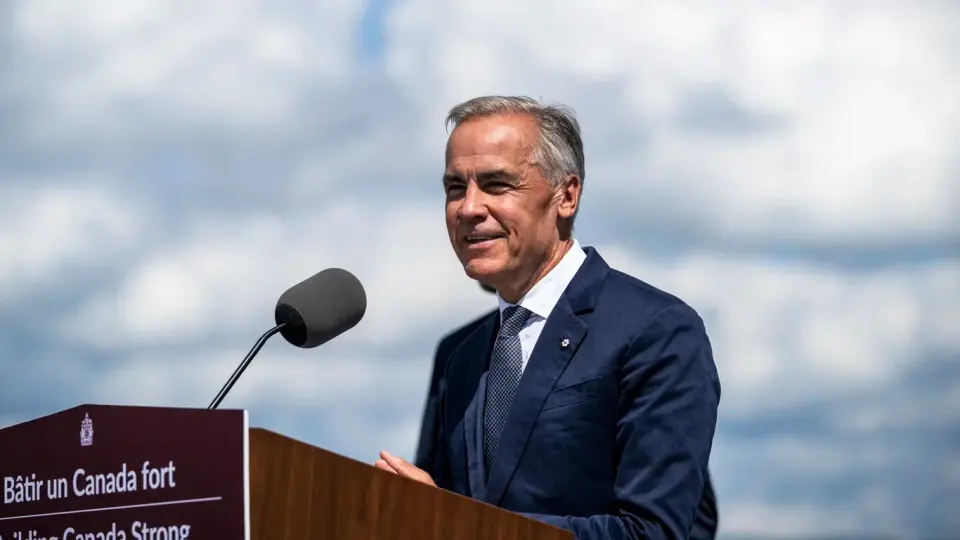
Canadian Prime Minister Mark Carney is preparing retaliatory tariffs after walking away from failed trade talks with the US. President Trump has threatened 50% tariffs on Canadian vehicles and steel, prompting Ottawa to shift from dollar-for-dollar retaliation to targeted measures to protect domestic industries. The standoff has united Canadian political leaders, though it risks severe economic disruption for the integrated North American auto sector.
Key points
- Carney walked away from US trade talks on Friday, triggering new 50% US tariffs on approximately $20 billion in Canadian goods.
- Trump threatened additional 50% tariffs on Canadian vehicles, auto parts, and steel, effective January 1, 2026.
- Canada plans to announce retaliatory tariffs on Tuesday, potentially shifting from matching US rates to targeted measures to protect workers.
- Carney accused Washington of seeking to 'destroy' Canadian major industries, including autos, steel, and aluminum.
- Ontario Premier Doug Ford warned of potential retaliation, including cutting off electricity and critical minerals to the US.
Background
The current escalation follows months of tense negotiations. In July, Canada signaled a firmer stance against US tariff threats. In August, leaked audio showed US Vice President JD Vance mocking Carney’s resolve, while Manitoba Premier Wab Kinew criticized Trump as 'erratic.' Carney had previously described the talks as 'nasty,' reflecting growing friction over issues like US alcohol sales in Canada and broader trade concessions.
How outlets are covering it
Axios highlights Carney’s rising approval rating and broad support from provincial leaders, framing his central banking background as an asset for navigating the crisis. CNN emphasizes the negative impact on US automakers and workers, noting that the US has a trade surplus in autos and that integrated supply chains would suffer from 50% tariffs. NDTV focuses on the sovereignty aspect, quoting Carney’s refusal to be treated as a 'subsidiary' and Ford’s threats to cut off energy supplies. While Axios and NDTV focus on Canadian unity and defiance, CNN stresses the mutual economic damage to the US auto industry.
Why it matters
The dispute threatens one of the world’s largest trading relationships, with deeply integrated supply chains in autos, energy, and manufacturing. A prolonged trade war could lead to plant closures and job losses on both sides of the border. It also tests whether Canada can achieve strategic autonomy without incurring severe economic pain, setting a precedent for other US trading partners.
What to watch
Canada will announce its retaliatory tariffs on Tuesday. The US may implement the threatened 50% auto tariffs in January 2026. Canada is beginning a long-term effort to shift trade away from the US, which experts say will cause short, medium, and long-term economic pain. Provincial leaders may escalate retaliation, including cutting off electricity and critical minerals.
- Mark Carney's defiance of Trump has Canada cheering Axios
- Trump is threatening new Canadian auto tariffs. That will hurt US automakers and workers CNN
- 'Not A US Subsidiary': Canada To Announce Retaliatory Tariffs Today NDTV
- Breakingviews - Mark Carney sensibly avoids stepping in fertilizer Reuters
- Collins blasts Trump’s Canada tariffs as a ‘mistake’ The Hill
Want the full story? Read the original reporting
Read on Axios