
Mexico Rebukes DEA Tip Lines as 'Interference' Amid Fentanyl Lapse Allegations
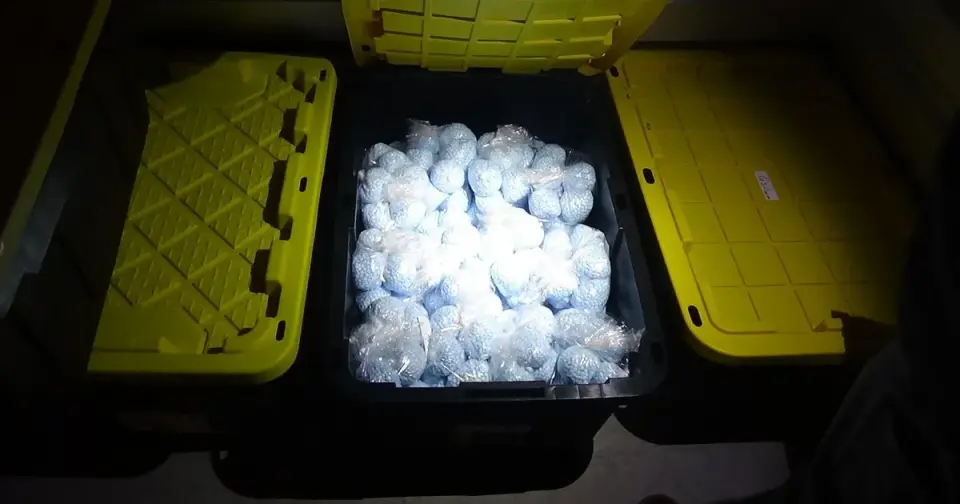
Mexican President Claudia Sheinbaum condemned the U.S. Drug Enforcement Administration (DEA) for establishing anonymous tip lines in Mexico, labeling the move 'interference' and demanding the agency address domestic corruption and fentanyl distribution first. Her criticism followed an Associated Press investigation alleging the DEA allowed 1.4 million counterfeit fentanyl pills to circulate in the U.S. Southwest between August 2024 and April 2025 while tracking a major trafficking ring. The dispute escalates bilateral tensions, with Mexico rejecting U.S. troop deployments but maintaining security cooperation, including a recent joint operation that captured drug lord Fausto Isidro Meza Flores.
Key points
- Mexican President Claudia Sheinbaum called the DEA's new tip lines an act of 'interference,' arguing the agency should focus on investigating corruption and fentanyl trafficking within the United States.
- The Associated Press reported that the DEA permitted at least 1.4 million counterfeit fentanyl pills to go unseized between August 2024 and April 2025 during an eight-month investigation into a drug trafficking ring.
- DEA Administrator Terry Cole announced the tip lines on X, encouraging Mexicans to report cartel members, corrupt officials, and money launderers via Signal, WhatsApp, and email, with a specific channel for Jalisco state made public on November 26.
- Sheinbaum compared the DEA's actions to the 2011 'Fast and Furious' gun-walking scandal, stating that the U.S. should address its own border issues before operating in Mexico.
- The U.S. has requested the extradition of Fausto Isidro Meza Flores, captured by Mexican forces on November 20 with U.S. drone support, but Mexican Attorney General Ernestina Godoy stated he will be tried in Mexico.
Background
This dispute follows a period of intensified U.S.-Mexico security cooperation, including the February 2026 killing of cartel leader 'El Mencho' and the November 2026 capture of 'El Chapo Isidro.' Tensions also arose in late April 2026 after U.S. prosecutors indicted Sinaloa Governor Rubén Rocha Moya for collaborating with the Sinaloa cartel, a case Mexico refused to arrest him for. The current controversy is part of a broader pattern where Mexico seeks security cooperation 'without subordination,' rejecting U.S. troop deployments while allowing intelligence sharing.
How outlets are covering it
CBS News and KCRA (via AP) emphasize Sheinbaum's direct rebuke of the DEA, framing it as a response to the AP's findings on fentanyl lapses. The Hill highlights the sovereignty aspect, noting Sheinbaum's claim that U.S. officials are barred from operating on Mexican soil, particularly after a drone incident during the Meza Flores capture. Bloomberg focuses on the tension between expanded cooperation and U.S. overreach, noting that Sheinbaum challenges U.S. actions even as she pursues joint operations against cartels. All sources agree on the core facts but differ in emphasis: CBS and KCRA focus on the fentanyl scandal, The Hill on sovereignty, and Bloomberg on the broader diplomatic dynamic.
Why it matters
The dispute highlights the fragility of U.S.-Mexico security cooperation, as Mexico resists U.S. domestic operations while relying on U.S. intelligence for major cartel busts. The AP's findings on fentanyl lapses could lead to further legal and diplomatic consequences, including potential damages claims from U.S. cities, and may strain the bilateral relationship at a time when both nations are under pressure to combat cartel violence.
What to watch
The U.S. is expected to continue requesting the extradition of Fausto Isidro Meza Flores, while Mexico will likely proceed with domestic trials. The DEA may face further scrutiny over its fentanyl handling practices, potentially leading to congressional inquiries or legal action. Mexico may expand its own tip lines or security measures in response to U.S. actions, while both nations will likely continue joint operations against cartels despite the diplomatic friction.
- U.S. opens hotline for tips about cartels, as Mexico calls DEA lapses the "Fast and Furious of Fentanyl" CBS News
- Mexican leader rebukes US over DEA tip line, claims ‘interference’ The Hill
- Mexican president blasts DEA over tip lines, accusing it of not fighting fentanyl enough inside US KCRA
- Sheinbaum Slams DEA’s Cartel Tip Line as Interference in Mexico Bloomberg.com
- DEA Tip Lines in Mexico Anger Its President Newser
Want the full story? Read the original reporting
Read on CBS News