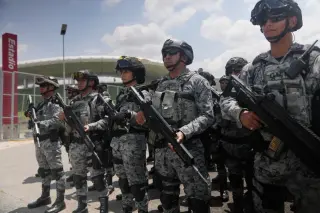
Guadalajara bolsters security for World Cup amid cartel violence scare
Guadalajara deploys the National Guard around the stadium hosting FIFA World Cup matches to reassure fans and pledge a safe tournament after fears of cartel violence.
All articles tagged with #cartels

Guadalajara deploys the National Guard around the stadium hosting FIFA World Cup matches to reassure fans and pledge a safe tournament after fears of cartel violence.

CNN reports that the CIA has broadened its covert, and at times lethal, operations inside Mexico to dismantle cartel networks, including direct involvement in a high-profile assassination and ongoing real-time intelligence support with Mexican authorities, raising sovereignty concerns and fears of potential spillover of violence into the United States.

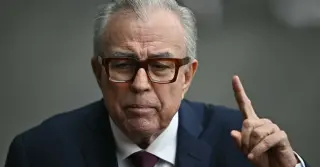
U.S. prosecutors unsealed an indictment accusing Sinaloa Governor Rubén Rocha Moya and multiple officials of colluding with the Sinaloa Cartel, taking bribes and votes for impunity. Rocha denies the charges, while President Sheinbaum has shown restraint, delaying arrest requests and framing the case as a matter for Mexico’s attorney general. The affair deepens a partisan split in Mexico, tests bilateral ties with Washington, and raises questions about whether the government will aggressively pursue corruption or shield officials, even as cartel violence continues in Sinaloa.

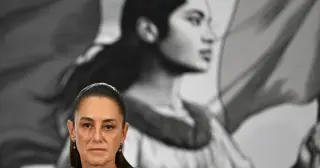
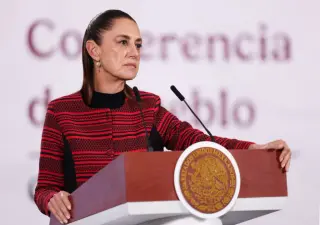
Mexican President Claudia Sheinbaum rejected the U.S. indictment of a sitting Sinaloa governor and other Morena officials on drug-trafficking charges, saying Mexico will not arrest or extradite anyone and accusing Washington of meddling; the stance could strain U.S.–Mexico relations and recalls the 2021 Salvador Cienfuegos affair.

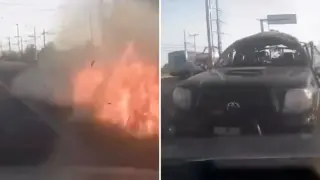
Mexico says two CIA agents killed in a car crash in Chihuahua were not authorized to participate in operations on Mexican soil; one entered as a visitor and the other with a diplomatic passport, and the government is reviewing the case with local authorities and the U.S. Embassy amid conflicting accounts about foreign involvement.

Four CIA agents joined a Chihuahua drug-lab raid, disguised as local officials; two CIA officers died in a vehicle crash returning from the operation. The incident, reportedly the third time CIA personnel accompanied Mexican authorities this year, has Mexico demanding explanations and potential sanctions, highlighting constitutional prohibitions on foreign agents in law enforcement and straining U.S.-Mexico cooperation in the fight against cartels.

Two U.S. officials died in a crash while returning from a Chihuahua raid that destroyed a clandestine drug lab; they were CIA employees, per U.S. officials and sources, highlighting heightened and opaque U.S. involvement in Mexico’s security operations and prompting questions about sovereignty and coordination with Mexican authorities.

Civilian groups and relatives in Mexico scour remote, cartel-controlled areas searching for missing loved ones, often facing danger and limited government support, in a bid to uncover answers, recover remains, and gain closure amid ongoing violence and impunity.

Former Acting DEA Administrator Derek Maltz calls for an aggressive, offensive approach against drug cartels, arguing the U.S. must go after narco-traffickers with lethal force as President Trump endorses missile strikes and a 13-nation Latin American coalition coordinates new strategies to defeat cartel networks and narco-terrorists.

Trump used a Miami summit to unveil the Shield of the Americas, a regional anti-cartel military alliance he says will use lethal force to destroy cartels and terrorist networks, with about 17 Latin American nations reportedly joining; he signaled negotiations with Cuba and formally recognized Venezuela’s Delcy Rodríguez government, tied to defending the Panama Canal and related regional influence, and noted U.S. actions against Iran as the same resort hosts the year’s G20 summit.

At the Shield of the Americas summit in Miami, Trump urged Latin American leaders to use military force against drug cartels, arguing a coordinated regional security effort is needed and tying the push to broader U.S. aims in the hemisphere.

Trump hosted a Miami-area summit dubbed the 'Shield of the Americas' with 12 Latin American leaders to push a regional counter-cartel coalition, arguing cartels are central to the Hemisphere’s violence and urging sovereignty-based security cooperation; the event included Kristi Noem in a new envoy role and touched on Cuba, Venezuela, and US focus on hemispheric security.
At the Shield of the Americas Summit in Florida, President Trump unveiled a proclamation authorizing U.S. military action against drug cartels in Ecuador and signaling expansion to other Latin American countries under a new Americas Counter Cartel Coalition. Seventeen nations signed a joint security declaration to coordinate operations, identify cartel targets, and curb trafficking, migration, and malign influence in the region. Attendees included Ecuador’s Noboa, Argentina’s Milei, El Salvador’s Bukele, and Chile’s Kast. Kristi Noem was introduced in a new envoy role for the initiative.

At the Shield of the Americas summit, Trump urged Latin American leaders to use military force against drug cartels and transnational gangs, signaling a tougher U.S. posture in the Western Hemisphere amid focus on China and potential Cuba policy shifts.

Kristi Noem says Trump will announce a sweeping agreement at the Shield of the Americas summit in Doral, Florida, detailing how the administration will go after cartels and drug trafficking across the Western Hemisphere, with 13 Latin American leaders and other officials in attendance.