
UK Rejects Trump's Russian Diesel Deal as Zelensky Faces Leadership Threats
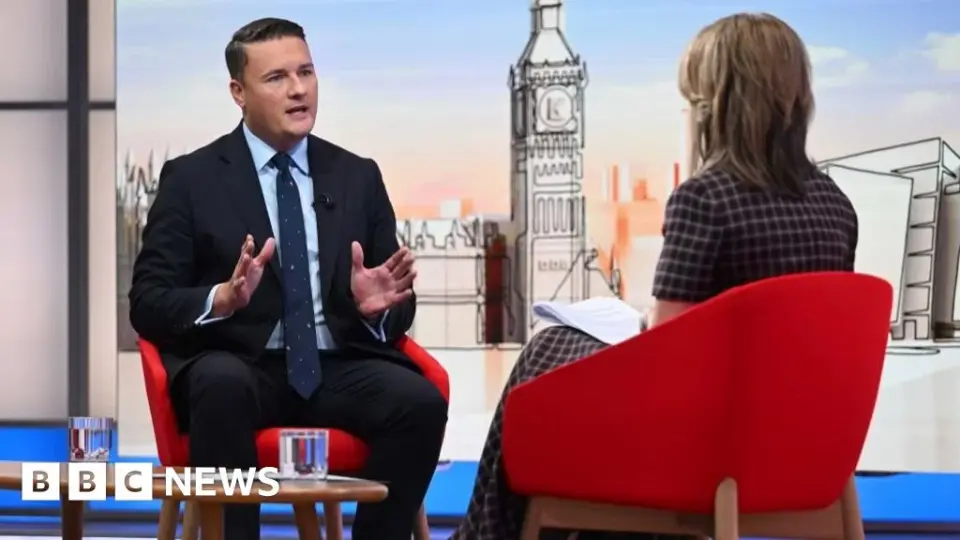
UK Defence Secretary Wes Streeting stated that London does not support the US agreement to purchase Russian diesel, arguing it funds Moscow's war effort. While Trump criticized Ukrainian President Zelensky and called for his replacement, UK officials defended Kyiv's leadership. In Washington, Rep. Brian Fitzpatrick is pursuing a discharge petition to block the deal, while energy analysts remain skeptical that the imports will lower fuel prices.
Key points
- Wes Streeting said the UK does not support the US-Russia diesel deal, which involves millions of tonnes of fuel.
- Trump accused Zelensky of causing 'world problems' with refinery strikes and suggested Ukraine should get a new leader.
- Rep. Brian Fitzpatrick is using a discharge petition to force a vote on legislation opposing the deal.
- The UK government plans to increase defense spending to 3.5% of national income by 2035.
- Energy analysts doubt the additional Russian diesel will significantly lower US fuel prices.
Background
This development follows a series of recent events where Trump reversed sanctions to import Russian diesel, citing high fuel prices caused by the US-Israel conflict with Iran. Earlier coverage noted that Zelensky condemned the deal as funding the war, and that Russian glide bombs killed at least 20 people in Zaporizhzhia shortly after the announcement. The current dispute highlights ongoing tensions between Washington and Kyiv over war strategy and sanctions policy.
How outlets are covering it
BBC and The New York Times emphasize the diplomatic rift, with Streeting defending Zelensky's integrity while Trump demands his removal. The New York Times notes that the Kremlin halted peace talks immediately after the deal. Axios highlights the internal US political fracture, focusing on Fitzpatrick's legislative challenge to Trump's policy. The Institute for the Study of War provides a strategic analysis, arguing the deal is a unilateral concession that funds Russia's war effort without yielding any concessions from Moscow. All sources agree that the deal is controversial, but they differ on whether it is primarily a diplomatic failure, a domestic political crisis, or a strategic error.
Why it matters
The deal undermines Western sanctions against Russia and risks funding the war in Ukraine. It exposes deep divisions within the US Republican Party and between Washington and its European allies. The UK's explicit rejection signals that the transatlantic alliance is fracturing over the war's conduct, potentially complicating future diplomatic efforts to end the conflict.
What to watch
Fitzpatrick must secure 218 signatures for his discharge petition before the House reconvenes after the November 3 midterms. The UK government will outline its defense spending path at next year's Spending Review. The Kremlin has suspended peace talks, and the US may face further legislative challenges to the diesel waiver.
- UK does not support Trump's Russia diesel deal, says Streeting BBC
- Rebuking Ukraine Over Oil Strikes, Trump Says It Should ‘Get a New President’ The New York Times
- House Republican, invoking Reagan, moves to block Trump's Russia oil deal Axios
- Russian Offensive Campaign Assessment, October 9, 2026 Institute for the Study of War
- GOP lawmakers reject US-Russia diesel deal, Trump’s Zelensky comments The Hill
Want the full story? Read the original reporting
Read on BBC