
UN Report Accuses US of War Crimes in Iran School Strike
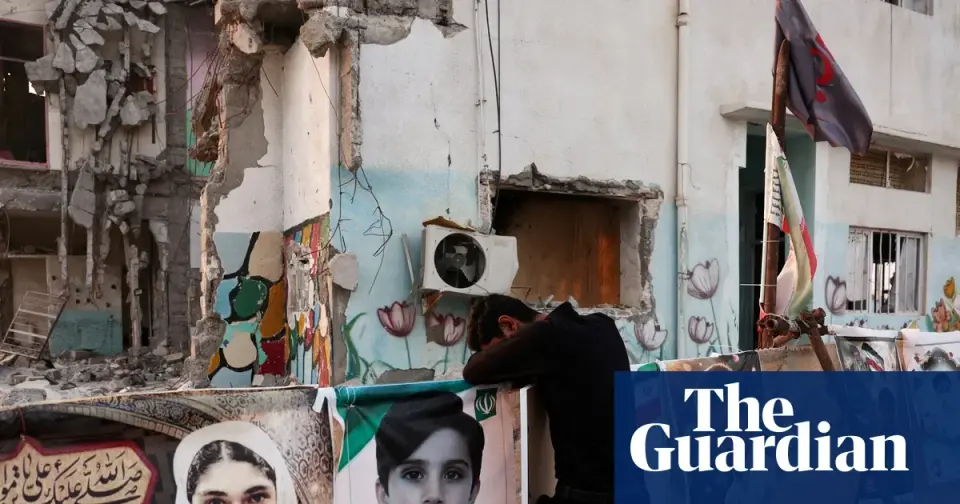
A UN fact-finding mission concluded that US strikes on Iranian schools likely constitute war crimes, while also condemning Tehran’s crackdown on protesters. The report highlights reckless targeting in Minab and Lamerd, contrasting with US claims of legal compliance. Amidst ongoing economic isolation and a stalled war, the US has approved visas for Iranian leaders to attend the UN General Assembly, signaling a shift toward diplomatic engagement despite continued military pressure.
Key points
- UN investigators found 'reasonable grounds' to believe US forces were responsible for the February strike on the Shajareh Tayyebeh primary school in Minab, which killed over 150 people, including 120 children.
- The mission determined the strike was indiscriminate and reckless, as the US failed to verify intelligence suggesting a military target, violating international law.
- A similar conclusion was reached regarding a strike on a sports center in Lamerd, which killed 22 civilians, despite US Central Command denying any strikes in that city.
- The report also accused Iranian authorities of crimes against humanity for their violent crackdown on late-December protests, including unlawful killings and torture.
- The US State Department has approved visas for Iranian President Pezeshkian and Foreign Minister Araghchi to attend the UN General Assembly, despite the ongoing conflict.
Background
This development follows a six-month stalemate in the US-Iran war, which began in February 2026. Previous diplomatic efforts, including a brief memorandum of understanding regarding the Strait of Hormuz, collapsed due to disputes over traffic control. The conflict has led to significant economic strain, with US gasoline prices rising nearly 50% since the war began. Earlier in September, a secret military summit involving US, Israeli, and Arab leaders discussed regional security strategies, highlighting the complex geopolitical landscape surrounding the conflict.
How outlets are covering it
The Guardian and AP News emphasize the UN’s legal findings, framing the US strikes as war crimes due to reckless targeting and failure to verify civilian status. In contrast, US officials maintain that operations adhered to the law of armed conflict, with Trump previously dismissing claims of intentional attacks on schools. CBS News highlights the diplomatic tension, noting that while the US is open to meetings with Iranian officials at the UN, no formal talks are scheduled. The Iranian government rejects allegations of rights violations, blaming 'terrorists' and foreign foes for the unrest, while the US continues to impose economic sanctions and a naval blockade on the Strait of Hormuz, redirecting over 100 vessels.
Why it matters
The UN report provides a formal international legal basis for holding the US accountable for civilian casualties, potentially influencing future diplomatic negotiations and sanctions. The approval of visas for Iranian leaders signals a potential opening for dialogue, even as the war remains stalemate. The economic impact, including soaring fuel prices and sanctions on cryptocurrency ventures, underscores the broader global consequences of the conflict, affecting not only the US and Iran but also regional allies and global energy markets.
What to watch
The UN report will be submitted to the UN Human Rights Council in Geneva, potentially leading to further international scrutiny of US military conduct. Diplomatic talks at the UN General Assembly may provide a platform for negotiations, though the US and Iran remain at odds over sanctions and the Strait of Hormuz. The ongoing blockade and economic sanctions are expected to continue, with the US pursuing a strategy of economic isolation to pressure Tehran. The outcome of these diplomatic efforts will likely influence the trajectory of the conflict and regional stability in the Middle East.
- Iran school bombing: grounds to believe US was behind atrocity, UN finds theguardian.com
- UN mission finds grounds to believe US committed war crimes in Iran, and Tehran crimes against humanity reuters.com
- U.N.-backed experts cite possible U.S. war crimes in Iran, including a school attack NPR
- Iran War Updates: U.N. panel cites possible U.S. war crimes as Trump again says Iran wants a deal CBS News
- UN-backed experts find US may have committed war crimes in Iran, and other Mideast developments AP News
Want the full story? Read the original reporting
Read on theguardian.com