Beijing is weighing its next moves on Iran's ceasefire talks ahead of Donald Trump's trip to China, using diplomacy to gain leverage and potentially shape both U.S.-China relations and Middle East policy.
French President Emmanuel Macron and Pope Leo XIV held their first Vatican meeting, focusing on the Middle East crisis, multilateralism, climate change and humanitarian emergencies, and criticizing Donald Trump’s Iran policy; Macron and his wife Brigitte spent about two hours with the pope, exchanged gifts (a France basketball jersey and a Notre Dame reconstruction book), and Macron later spoke with Secretary of State Parolin, with no bilateral meeting planned with Italian Prime Minister Giorgia Meloni.
Colombia said it would raise tariffs on imports from Ecuador to 100%, matching Quito’s recent move and signaling a tit-for-tat in a growing cross-border dispute centered on drug trafficking, trade deficits, and sovereignty. The 100% rate, up from 30%, takes effect immediately after Colombia exhausted diplomatic avenues without a positive resolution. The feud involves tensions between Presidents Gustavo Petro and Daniel Noboa, including exchanges over the imprisonment of former Ecuadorian vice president Jorge Glas, and even a border-related bombing claim, with both sides accusing the other while channels of dialogue have remained open."
The United States and Iran head to high-stakes ceasefire talks in Islamabad, with both sides accusing the other of bad faith and ceasefire violations as negotiators seek a path to end the war, navigating domestic political pressure and broader regional implications.
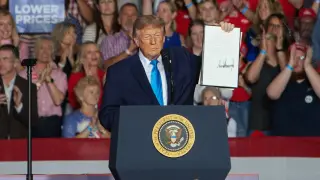
Trump taps Vice President JD Vance to lead a US delegation in Islamabad to broker an end to the Iran war, a high-stakes, politically fraught mission that must balance Trump’s volatile demands with wary regional and European allies, Tehran’s regime, and Vance’s own cautious foreign-policy stance as talks unfold.
Vice President Vance travels to Islamabad to lead direct U.S.–Iran talks aimed at resolving the nuclear dispute and ending the war; the talks would be the highest-level engagement since 1979, but prospects for a breakthrough look uncertain as both sides trade ceasefire violations and Pakistani mediators oversee the discussions with Trump allies in tow.
Vice President JD Vance has moved from the margins to a central role in U.S.-Iran talks, leading efforts from Pakistan toward a fragile ceasefire and a negotiated settlement, all while quietly bolstering his anti-interventionist credentials as he weighs a 2028 presidential bid; progress remains uncertain, but the move raises his profile as a potential peace broker for the Trump administration.
Pope Leo XIV condemned using religion to justify military action and said God does not bless conflict, urging patient coexistence and dialogue over war amid tensions surrounding Iran.
Pakistan hosts proximity talks in Islamabad to keep US-Iran negotiations alive after a Pakistan-mediated two-week ceasefire, aiming for a modest outcome that extends dialogue rather than finalizing a deal. The US team is led by Vice President JD Vance and includes Steve Witkoff and Jared Kushner; Iran’s delegation is expected to be led by Abbas Araghchi and Mohammad Bagher Ghalibaf, with Pakistani mediators shuttling between rooms. While signs point to de-escalation, major sticking points remain over Iran’s nuclear enrichment, sanctions relief, and guarantees related to the Strait of Hormuz, set against broader regional tensions including Lebanon. The goal of the first round is to lay groundwork for continued negotiations rather than a breakthrough.
During talks in Pyongyang, Chinese Foreign Minister Wang Yi and North Korean Foreign Minister Choe Son Hui agreed to deepen cooperation, signaling closer Beijing–Pyongyang ties as they pursue closer diplomatic alignment.
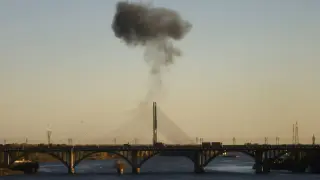
Russian President Vladimir Putin announced a ceasefire in Ukraine for Orthodox Easter, signaling a pause in fighting as the conflict continues on the ground, with frontline activity reported near areas like Zaporizhzhia.
Vice President JD Vance boards Air Force Two for talks with Iran, departing for Pakistan and signaling cautious optimism that negotiations could end the war while warning Tehran not to “play” the U.S. and noting the negotiating team will push back against pressure.
Pakistan helped broker a two-week ceasefire between the US and Iran and is poised to host peace talks in Islamabad, deploying thousands of security personnel as the city braces for negotiations. The diplomacy, led by military chief Asim Munir and backed by Prime Minister Shehbaz Sharif, underscores Pakistan’s role as a trusted intermediary among Washington, Tehran and Gulf states. Yet the outcome remains uncertain: if talks fail, Pakistan could face spillover risks across its borders and domestic economic and political strain as regional tensions intensify.
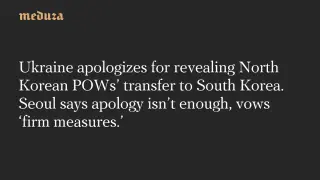
A fragile U.S.-Iran ceasefire appears to hold with Strait of Hormuz traffic at a fraction of normal levels. South Korea plans to send a special envoy to Iran to press for safe navigation and resumed oil shipments, while Iran denies violations amid ongoing regional tensions and reports of drone strikes and attacks related to the broader Middle East conflict.
Turkish Trade Minister Ömer Bolat tells Euronews NATO is not obligated to intervene to reopen the Strait of Hormuz despite US pressure and Trump’s ultimatum; NATO emphasises a defensive role and says allies were not consulted on the Iran conflict, while a broad coalition works to secure the waterway amid limited vessel passage and a fragile ceasefire.