
UN Rapporteur Albanese Leaves Costa Rica Airport After Court Orders Release
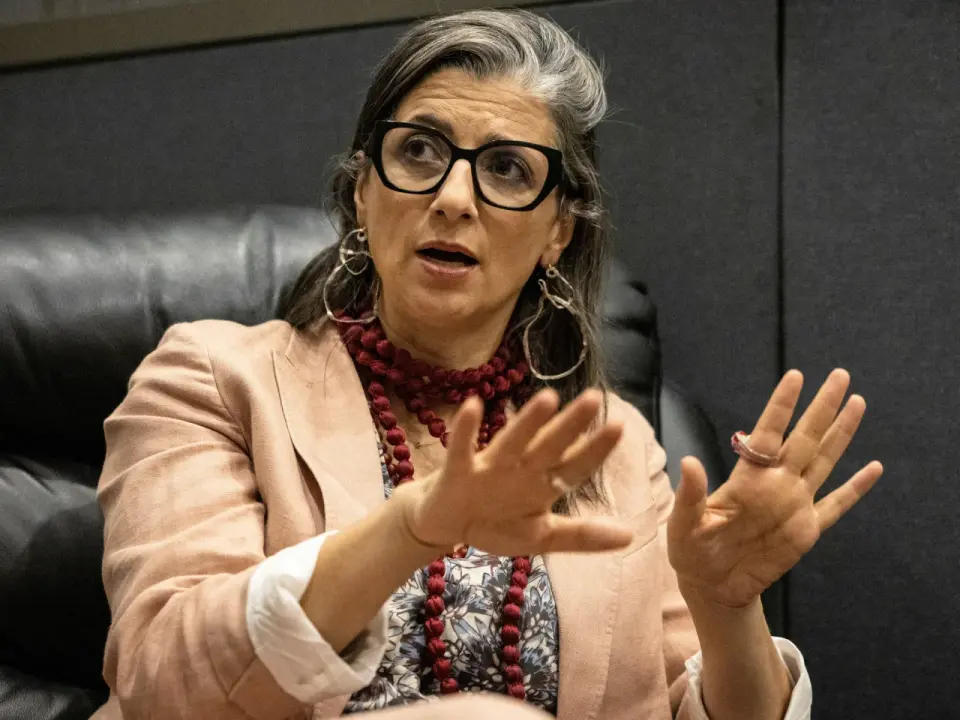
Francesca Albanese, the UN special rapporteur on the occupied Palestinian territories, has left Costa Rica’s Juan Santamaria International Airport after being denied entry for over 50 hours. Albanese arrived on Thursday to receive an honorary doctorate but was blocked by immigration authorities citing an 'international alert' regarding links to terrorist acts. After spending two nights in the airport’s transit area, the Constitutional Court of Costa Rica issued an order directing her transfer to a hotel. Albanese subsequently departed the airport, stating she was awake for more than 50 hours and facing difficulties with airline staff. The incident has drawn sharp criticism from UN officials and Italy, while receiving praise from Israel and Costa Rica’s right-wing government, which has aligned closely with the United States.
Key points
- Albanese left the airport at 07:00 GMT on Saturday, November 28, after the Constitutional Court ordered her release from the premises, though she reported immigration police initially resisted the transfer to a hotel.
- Costa Rican immigration director Omer Badilla justified the entry ban by citing an 'international alert over links to terrorist acts,' a claim Albanese rejected as 'ridiculous' and linked to US sanctions imposed on her in 2025.
- UN High Commissioner for Human Rights Volker Türk expressed 'deep concern' over the decision, urging Costa Rica to reconsider, while the Italian Ministry of Foreign Affairs provided consular assistance at the airport.
- Albanese participated in her honorary doctorate ceremony via video call on Friday, with an assistant accepting the degree on her behalf, as students at the University of Costa Rica chanted 'Palestine will prevail.'
- Israel’s UN ambassador Danny Danon praised the entry ban, accusing Albanese of spreading propaganda, while Costa Rican Minister of the Presidency Rodrigo Chaves criticized the court’s intervention as a 'usurpation' of power.
Background
Albanese has been a prominent critic of Israel’s military actions in Gaza, accusing the country of genocide. She was sanctioned by the US Treasury in July 2025 under measures related to the International Criminal Court, with Secretary of State Marco Rubio accusing her of supporting terrorism. Costa Rica’s current government, led by President Laura Fernández, has strengthened ties with the US and Israel on security and foreign policy, including accepting third-country deportees and building a mega-prison. Previous coverage noted that over 400 signatories called on UN Secretary-General frontrunner Rebeca Grynspan to intervene in the detention, highlighting the political sensitivity of the case.
How outlets are covering it
Outlets highlight different aspects of the dispute. Al Jazeera and CNN focus on the procedural breakdown, noting Albanese’s reports of Air France staff ignoring the court order and the physical conditions of her detention. The Jerusalem Post emphasizes the political backlash, including statements from Amnesty International and actor Mark Ruffalo, as well as the government’s defense of the ban. ABC News notes the broader context of Costa Rica’s alignment with the Trump administration, including its acceptance of US deportees. All sources agree on the core facts: the entry denial, the court’s interim orders, and Albanese’s eventual departure, but differ in emphasis on the 'terrorism' allegation versus the 'political persecution' narrative.
Why it matters
The incident underscores the escalating tensions surrounding UN human rights mechanisms and their critics. Albanese’s detention highlights the friction between Costa Rica’s shifting foreign policy alignment with the US and Israel and its traditional commitment to human rights. The case also illustrates the practical impact of US sanctions on international officials and the role of domestic courts in challenging executive immigration decisions. It may set a precedent for how other nations respond to UN rapporteurs who are sanctioned or criticized by powerful states.
What to watch
Albanese is expected to continue her travel, with sources indicating a flight to Mexico, though she had previously stated she needed to return to France. The Costa Rican government has not reversed its entry ban, and the legal status of the 'international alert' remains unexplained. UN officials may continue to press for an apology or formal review of the incident. Albanese has called for an investigation into whether the denial was connected to US sanctions.
- UN’s Albanese leaves Costa Rica airport after constitutional court verdict Al Jazeera
- Costa Rica bars UN special rapporteur on Palestinian territories from entering country over ‘links to terrorist acts’ CNN
- UN rapporteur Albanese in limbo at airport after being denied entry to Costa Rica ABC News - Breaking News, Latest News and Videos
- UN chief frontrunner urged to speak out over Albanese detention Al Jazeera
- Francesca Albanese spends second night at Costa Rica airport after entry denied The Jerusalem Post
Want the full story? Read the original reporting
Read on Al Jazeera