
EPA Finds No Lead in Water After Iowa Detonation, but Full Results Pending
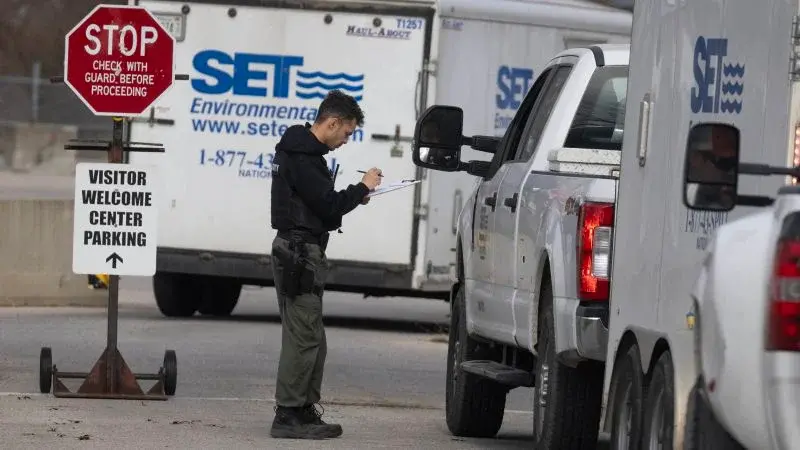
The Environmental Protection Agency (EPA) reported that preliminary tests of 38 water samples taken after the November 25 detonation of lead azide in Middletown, Iowa, showed no elevated lead levels. While initial air monitoring detected zero airborne lead, the agency is still validating over 3,200 samples collected before and after the blast. Residents have returned home, but independent experts caution that single data points do not confirm long-term safety, and environmental groups are preparing to hold the government accountable for cleanup.
Key points
- The EPA announced that 38 post-detonation water samples from public supplies, including treated drinking water and untreated intake water, showed no lead.
- The U.S. Army detonated nearly five tons of degraded lead azide at the Iowa Army Ammunition Plant on November 25, 2026, after delays due to environmental concerns and a lawsuit.
- Initial air monitoring detected zero airborne lead 30 minutes after the blast, with testing continuing for 30 hours without detection, though experts warn this represents only one data point.
- The EPA has completed 88% of post-detonation sampling at homes previously tested and is in the process of validating over 3,200 total samples collected before and after the event.
- Environmental groups that sued to stop the detonation lost their legal challenge but have vowed to hold the government accountable for the subsequent cleanup operation.
Background
The detonated material was the nation's entire stockpile of lead azide, stored at the plant since 2009, which had degraded to the point it could not be moved safely. A chemical neutralization alternative was explored in 2026 but canceled due to safety concerns. The site had recently completed a 20-year cleanup of depleted uranium contamination in June 2026, and the detonation is expected to re-pollute the area. The Army had been aware of the deteriorating material since March 2026, but criticism arose over the lack of timely public notification to downwind communities.
How outlets are covering it
The EPA and U.S. Army emphasize the safety of the operation, citing zero airborne lead in initial monitors and the necessity of the detonation to dispose of unstable material. In contrast, independent toxicologists and environmental groups argue that 'zero' readings may reflect detection limits rather than absolute absence, and they are conducting their own assessments. The New York Times highlighted the human impact, noting that local families, such as the Jones family, gathered for Thanksgiving the day after the blast, describing the atmosphere as if a storm had passed. KCRG focused on the transparency of the data release process, noting that while results are being posted, exact sample locations may take time to populate due to verification procedures.
Why it matters
The outcome determines whether the community faces long-term health risks from lead contamination, which can affect children and adults. The handling of the stockpile sets a precedent for how the U.S. military manages hazardous materials, particularly when alternative disposal methods are rejected. The transparency of the EPA's data release will influence public trust in federal environmental agencies and the legal accountability of the government for cleanup costs.
What to watch
The EPA plans to release the full results of the over 3,200 samples as they are validated, with data posted on their website. Environmental groups are expected to continue their efforts to hold the government accountable for the cleanup operation. Independent testing groups, such as the Blue Shirt Justice League, will continue their own assessments to monitor for suspended particles that may remain in the air for weeks.
- Preliminary tests show no lead in water bodies near Iowa detonation, EPA says CNN
- After the Iowa Detonation, a Family Gathered for an Unusual Thanksgiving The New York Times
- Army deems lead azide detonation a success but criticism lingers over notification PBS
- US Army releases post-detonation maps of potential lead dust exposure WQAD
- EPA to begin releasing post-detonation samples from Middletown KCRG
Want the full story? Read the original reporting
Read on CNN