
US launches Task Force Iron Gate to block Iranian land routes amid new strikes
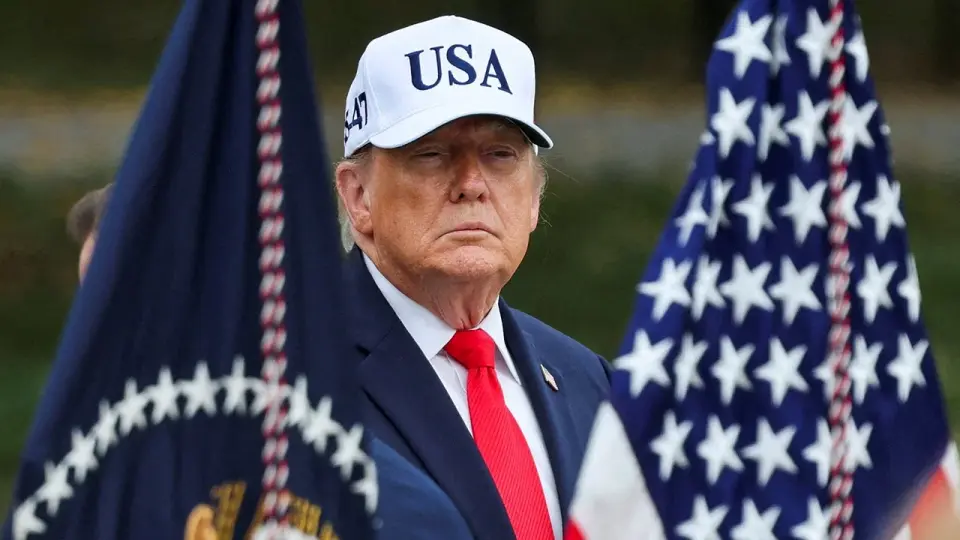
U.S. Central Command established Task Force Iron Gate to intercept advanced weapons and sanctioned materials moving across Iran's land borders and the Caspian Sea. This move complements an existing naval blockade that has halted $25 billion in crude oil exports. Simultaneously, President Trump acknowledged 'minor strikes' against Iranian anti-aircraft devices, while Tehran claims its military is stronger despite reported losses.
Key points
- CENTCOM formed Task Force Iron Gate, a 20-person civilian and military unit in Tampa, Florida, to coordinate interagency efforts against illegal shipments to Iran.
- The task force targets advanced weapons, dual-use technologies, and revenue streams moving across Iran's land borders and the Caspian Sea.
- CENTCOM stated the ongoing naval blockade has prevented Iran from exporting $25 billion in crude oil.
- President Trump confirmed U.S. forces conducted 'minor strikes' that destroyed an Iranian anti-aircraft device in 15 minutes or less, though he did not explicitly link this to reported strikes on Qeshm Island.
- Iranian officials claim their military is stronger than at the start of the conflict, while U.S. officials assert Iran has suffered heavy losses and faces 300% inflation.
Background
This development follows a seven-month conflict between the U.S. and Iran, which began in February 2026. Previous coverage noted significant U.S. losses of MQ-9 Reaper drones during operations against Iran, prompting new defense procurement initiatives. The current escalation occurs amid ongoing negotiations mediated by Qatar, with both sides exchanging diplomatic and military signals.
How outlets are covering it
Fox News and CNBC both report on Trump's comments regarding 'minor strikes' and the destruction of an anti-aircraft device. However, they differ in emphasis: Fox News highlights the new Task Force Iron Gate and the $25 billion oil export blockage, while CNBC focuses on the economic pressure on Iran, citing 300% inflation and the collapse of its navy. Iranian state media, as reported by both outlets, maintains that its military is stronger and more motivated, contradicting U.S. claims of Iranian defeat. Additionally, Iranian officials demand practical measures from the U.S. before resuming diplomatic talks, whereas Trump suggests Iran is eager to make a deal.
Why it matters
The establishment of Task Force Iron Gate signals a shift from purely naval to multi-vector containment of Iran's military and economic capabilities. By targeting land routes and the Caspian Sea, the U.S. aims to cut off alternative supply chains for weapons and technology. This move, combined with continued strikes and economic pressure, seeks to force Iran into a favorable diplomatic position while preventing the replenishment of its military assets.
What to watch
Analysts will monitor whether Task Force Iron Gate leads to new interdiction operations along Iran's land borders. Diplomatic negotiations, mediated by Qatar, may resume if Iran accepts U.S. terms, though Tehran currently demands practical measures. Further strikes on Iranian infrastructure, including potential targets on Qeshm Island, remain possible as the U.S. continues its 'minor strikes' campaign.
- Trump says US forces destroyed Iranian 'anti-aircraft device' Fox News
- US military carries out new targeted strikes on Iran as Tehran's leaders weigh mediator's proposals AP News
- US military targets Iranian defense system in latest round of limited strikes The Hill
- Trump says U.S. carried out ‘minor strikes’ on Iran as missiles hit Qeshm Island CNBC
- Qeshm island and Hormuz hit, as mediators try to prevent US-Iran escalation Al Jazeera
Want the full story? Read the original reporting
Read on Fox News