
US Midterm Defeat Signals Historic Fracture in Israel-Alliance
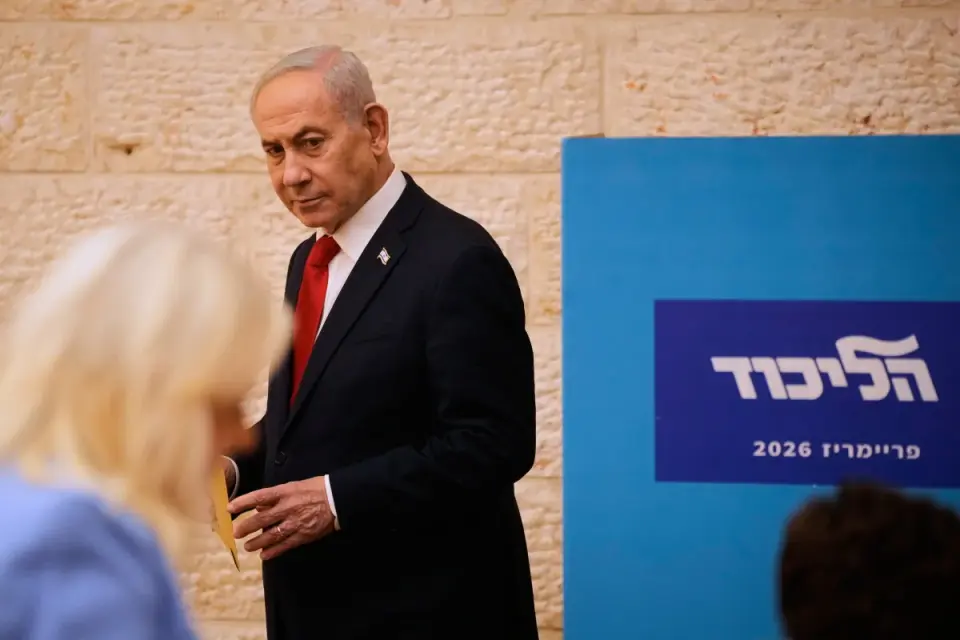
The 2026 US midterm elections marked a sharp decline in bipartisan support for Israel, driven by backlash against the Gaza war and joint operations with Iran. President Trump threatened to cut $4 billion in annual aid, while Vice President JD Vance cited the alliance as a key reason for Republican losses. Israeli leaders are divided on how to respond, with critics blaming Prime Minister Netanyahu for alienating both parties.
Key points
- Trump threatened to cut $4 billion in annual military aid to Israel, though it is unclear if this is policy or electioneering.
- Vice President JD Vance listed changing the US-Israel relationship as a top priority to regain voters.
- Democrats won key races, including Michigan, where Abdul El-Sayed accused Israel of genocide.
- Netanyahu’s office framed the aid cut as a transition from aid to partnership, but Israeli officials fear a loss of US support.
- Israeli opposition leader Yair Lapid proposed a charm offensive to repair ties, but new Democrats rejected this approach.
Background
US support for Israel has historically been bipartisan, with the US providing billions in aid and shielding Israel from UN criticism. This consensus began to erode after the October 7, 2023, Hamas attack and the subsequent Gaza war. Recent tensions include the joint US-Israel war on Iran and Trump’s recognition of Jerusalem as Israel’s capital. The 2026 midterms accelerated this shift, with both parties showing increased criticism of Israel’s actions.
How outlets are covering it
AP and BBC report a broad erosion of support across both parties, with Trump and Vance signaling a potential end to aid. The Guardian emphasizes the internal Israeli debate, noting that opposition leaders like Yair Lapid want to rebuild ties, but new Democrats like Brad Lander reject this, demanding respect for international law. NBC highlights the shock in Israel, with officials fearing a 'generational sea change' in the alliance. All sources agree that the shift is sudden and significant, but differ on whether it is temporary or permanent.
Why it matters
The US-Israel alliance is a cornerstone of Middle East security. A cut in aid or diplomatic support could weaken Israel’s defense capabilities and influence. It also signals a shift in US foreign policy, potentially affecting other regional conflicts. The outcome could impact Israel’s ability to manage the Gaza war and its relationship with Iran.
What to watch
Israel’s president will decide whether Netanyahu or Gadi Eisenkot forms the next government. A new government may attempt to repair ties with the US, but the depth of the rift suggests long-term challenges. Trump’s aid threat may be tested in the coming months, and the US Congress may face pressure to cut funding. The situation will likely evolve as the new US Congress and Israeli government take shape.
- US election confirms erosion of support for Israel, with even Trump questioning military aid AP News
- US midterm results may help unite Israeli coalition to unseat Netanyahu The Guardian
- Israel’s Most Important Alliance Is Confronting Its Biggest Test in Decades WSJ
- Israel reels as midterms and Trump’s $4 billion aid cut point to dramatic shift in U.S. relations NBC News
- US midterm results spark fears in Israel over future of two countries' ties BBC
Want the full story? Read the original reporting
Read on AP News