
25 Years After 9/11, Khalid Sheikh Mohammed's Trial Still Faces Obstacles
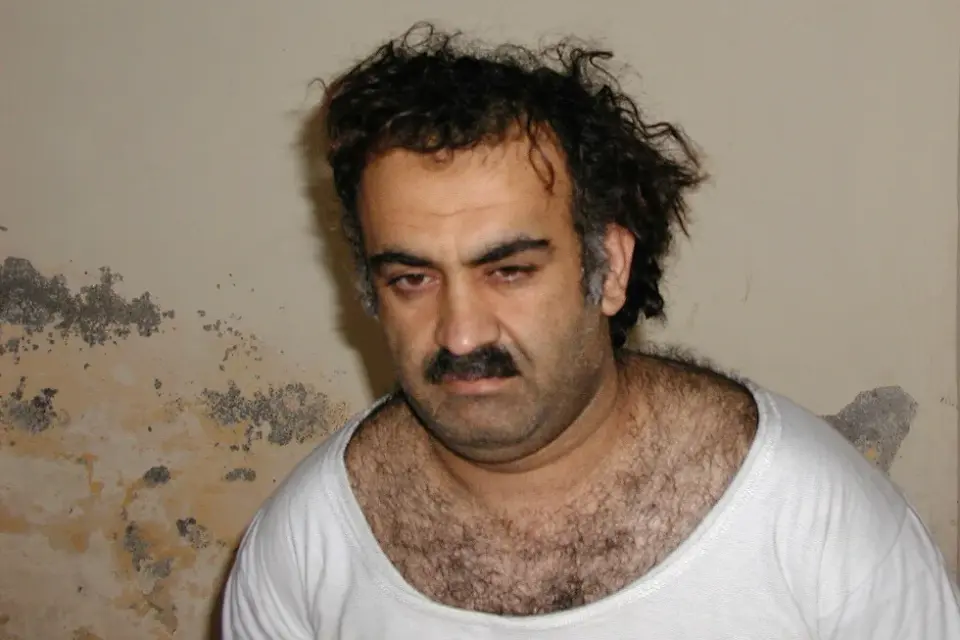
Twenty-five years after the September 11 attacks, the trial of Khalid Sheikh Mohammed and three co-defendants remains unresolved. A military judge at Guantánamo Bay has set jury selection for June 5, 2028, after rejecting a January 2027 start date. The delay stems from a ruling that excluded Mohammed's 2007 FBI confession as involuntary, forcing prosecutors to rely on other evidence. Critics argue the military commission system is inefficient, while some families of victims doubt the 2028 date will hold.
Key points
- A military judge ordered jury selection for the 9/11 trial to begin on June 5, 2028, after rejecting a January 2027 start date.
- The trial involves Khalid Sheikh Mohammed and three co-defendants: Walid bin Attash, Ammar al-Baluchi, and Mustafa al-Hawsawi.
- Prosecutors are seeking the death penalty for the defendants, who face charges including conspiracy, murder, and terrorism.
- A military judge ruled that Mohammed's 2007 FBI confession was involuntary and excluded it from evidence, forcing prosecutors to rely on other documentation.
- The case has been delayed by logistical challenges at Guantánamo Bay and debates over the use of military commissions versus federal courts.
Background
In 2009, the Obama administration planned to try Mohammed in a Manhattan federal court, but the plan was abandoned after the acquittal of Ahmed Khalfan Ghailani in a related case. Congress subsequently restricted the transfer of Guantánamo detainees to the U.S. for trial, returning the 9/11 case to the military commission system. The case has faced multiple delays, including a 2024 plea agreement that was ultimately abandoned, and ongoing disputes over the admissibility of evidence gathered during CIA detention.
How outlets are covering it
AP News and CBS News highlight the logistical and legal challenges of the military commission system, with CBS News noting that the process has been described as a 'traveling circus' due to the need to transport personnel to Guantánamo Bay for hearings. The Washington Post, through an opinion piece by former prosecutor David Raskin, argues that a civilian trial in federal court would have been more efficient and likely resulted in a conviction, criticizing the military commission system as a 'defense lawyer's dream.' CBS News also includes perspectives from families of 9/11 victims, who express frustration over the prolonged pre-trial phase and doubt that the 2028 trial date will be met.
Why it matters
The delayed trial of Khalid Sheikh Mohammed and other 9/11 plotters underscores the complexities of prosecuting terrorism suspects in the U.S. legal system. The case highlights ongoing debates over the use of military commissions versus federal courts, the admissibility of evidence obtained through interrogation, and the impact of logistical challenges on justice. For families of 9/11 victims, the delay represents a prolonged period of uncertainty and frustration, with many elderly family members hoping to see a verdict before their deaths.
What to watch
The next step is jury selection for the 9/11 trial, set to begin on June 5, 2028, at Guantánamo Bay. Prosecutors must navigate pre-trial motions and ensure that the case proceeds as scheduled, despite the exclusion of Mohammed's 2007 confession. The outcome of the trial will depend on the admissibility of other evidence and the ability of the military commission system to function efficiently. Families of 9/11 victims and legal experts will closely monitor the case to determine if the 2028 date will hold or if further delays will occur.
- Trial remains elusive for purported mastermind accused of plotting 9/11 attacks AP News
- Where the case against the alleged 9/11 plotters stands 25 years after the attack CBS News
- A Place Where Memories of the 9/11 Victims Have Faded Away The New York Times
- What the Failure to Convict the Alleged 9/11 Mastermind Reveals The Atlantic
- Opinion | The 9/11 trial that never happened The Washington Post
Want the full story? Read the original reporting
Read on AP News