
Harvard Labor Unrest Escalates with Graduate Strike and Dining Vote
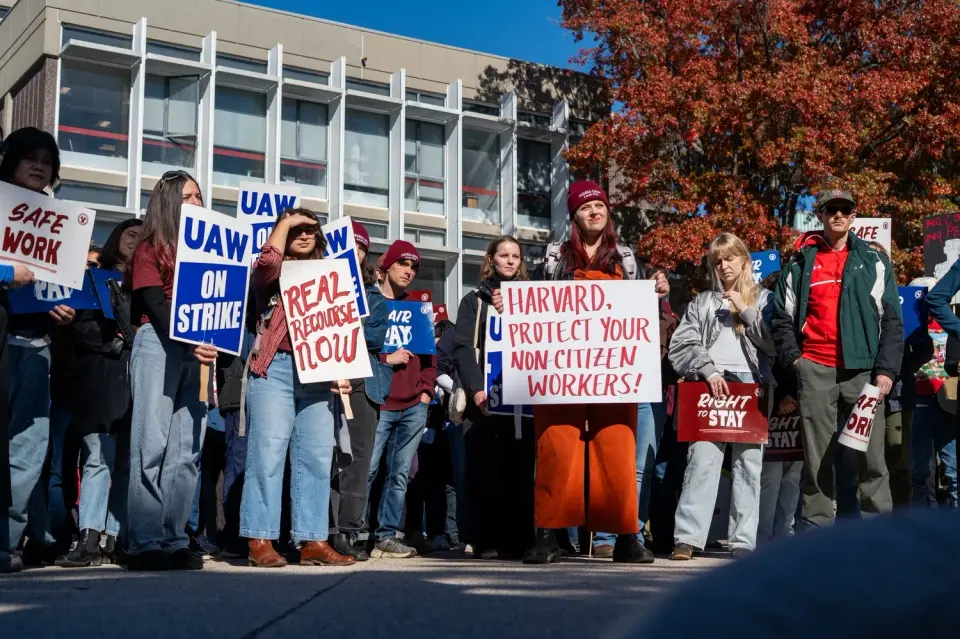
Harvard graduate workers launched their second strike of 2026, delivering a petition signed by 4,000 members to university leadership. Simultaneously, dining services workers voted to authorize a strike over wage gaps, highlighting growing labor tensions across the campus.
Key points
- Over 200 graduate workers marched through Harvard Yard on Tuesday, delivering a petition to Massachusetts Hall.
- The Harvard Graduate Student Union-United Auto Workers (HGSU-UAW) is in its second strike of the year.
- More than 600 dining services workers voted to authorize a strike, potentially the first since 2016.
- UNITE HERE Local 26 cited wage disparities compared to other regional universities.
- Harvard’s endowment reached $68 billion, with a 27% investment return, while dining workers lack a contract.
Background
This escalation follows a period of significant labor activity in higher education and public sectors. In late October, California state workers executed the first-ever statewide strike, demanding substantial pay raises and healthcare cost reductions. While the California dispute involved 100,000 employees, the Harvard actions involve smaller but highly visible groups of graduate and dining workers, reflecting broader national tensions over wage stagnation and institutional wealth.
How outlets are covering it
The Harvard Crimson focused on the immediate actions of the graduate workers, detailing the march and the delivery of the petition to President Alan Garber and Provost John Manning. The EDU Ledger emphasized the financial context, contrasting the workers' demands with Harvard's $68 billion endowment and $100 million operating surplus. While the Crimson highlighted the procedural delivery of demands, the EDU Ledger framed the dispute as a moral issue regarding the gap between institutional wealth and worker compensation, noting that dining workers earn less than those at Northeastern and Lesley University.
Why it matters
The simultaneous actions by graduate and dining workers signal a broadening of labor unrest at Harvard. The contrast between the university's massive endowment growth and the workers' lack of contracts or adequate wages may influence future negotiations and public perception of elite university labor practices.
What to watch
The outcome of the dining strike authorization vote will determine if a walkout occurs. Negotiations between HGSU-UAW and university administrators will continue, with the delivered petition serving as a formal demand for resolution.
- Live: Harvard Graduate Workers Strike for Second Time This Year The Harvard Crimson
- At Harvard, graduate students strike again this year The Boston Globe
- Harvard Academic Workers Set Nov. 10 Strike Deadline The Harvard Crimson
- Harvard Prepares For The Possibility Of Multiple Strikes WBZ NewsRadio 1030
- Harvard Dining Workers Vote to Authorize Strike Over Wages The EDU Ledger
Want the full story? Read the original reporting
Read on The Harvard Crimson