
Vance Links El-Sayed to Paris Riots in Escalating Michigan Campaign
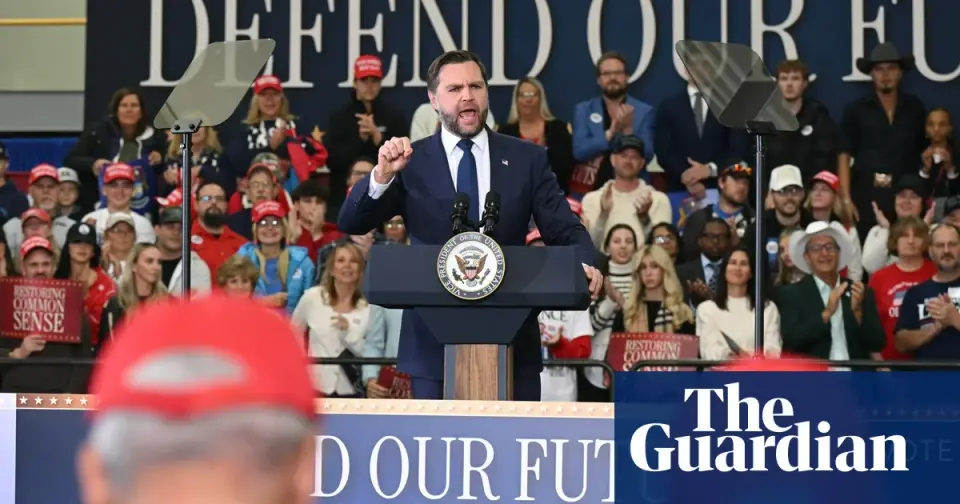
Vice President JD Vance intensified attacks on Democratic Senate candidate Abdul El-Sayed in Michigan, linking him to unrest in Paris and claiming he would lead riots in Detroit. While Republicans frame the race as a defense against 'radical' policies, Democrats and fact-checkers argue the rhetoric is Islamophobic and misrepresents El-Sayed's positions on immigration and auto industry. The campaign has seen a surge in Islamophobic rhetoric, with researchers comparing it to the post-9/11 era.
Key points
- Vance claimed El-Sayed would lead rioters in 'burning down' Detroit, drawing parallels to recent protests in Paris.
- Trump previously labeled El-Sayed a 'jihadist,' while Vance accused him of promoting 'anti-white racial hate' and 'terrible evil.'
- Fact-checks indicate Vance misrepresented El-Sayed's 2018 comments on immigration and his support for the Green New Deal, which never passed Congress.
- El-Sayed, who would be the first Muslim senator if elected, countered that the attacks distract from economic issues like gas prices and healthcare costs.
- The Michigan Senate race is close, with El-Sayed leading by 2.5 points, and Republicans facing low approval ratings for the administration.
Background
This escalation follows a series of aggressive attacks by Vance and Trump on El-Sayed in recent weeks, including labels like 'psychopath' and 'weasel.' The race has become a focal point for national debates on Islamophobia and economic policy, with both parties targeting rural and urban voters. Previous coverage noted El-Sayed's pivot to rural areas and the involvement of high-profile Democrats like Kamala Harris and AOC.
How outlets are covering it
The Guardian and Mother Jones emphasize the Islamophobic nature of the attacks, noting that researchers have compared the rhetoric to the post-9/11 era. Bridge Michigan provides fact-checks, showing that Vance's claims about El-Sayed's positions on immigration and the auto industry are misleading or false. ClickOnDetroit offers a more neutral overview, highlighting Vance's defense of Rogers' independence from Trump and the Democratic response to economic policies. All sources agree on the intensity of the campaign but differ in their framing of the rhetoric's impact and accuracy.
Why it matters
The Michigan Senate race could determine control of the US Senate, with implications for national policy. The intense rhetoric and Islamophobic attacks have drawn national attention, potentially influencing voter turnout and perceptions of the administration. The close polling and high ad spending indicate a highly competitive and polarized contest.
What to watch
Voters will decide the outcome on November 3, 2026. The campaign is expected to continue with aggressive messaging from both sides, with Republicans focusing on cultural and economic fears and Democrats emphasizing affordability and healthcare. The outcome will likely shape the balance of power in Congress and the administration's agenda.
- JD Vance steps up extreme attacks on Democratic Senate candidate Abdul El-Sayed The Guardian
- Fact checks, takeaways: JD Vance stumps for Michigan Republicans Bridge Michigan
- Vance Accuses El-Sayed of “Anti-White Racial Hate” Mother Jones
- Vance rallies Michigan Republicans in Howell ahead of November election ClickOnDetroit | WDIV Local 4
- JD Vance 2026 election rally in Howell, Mich. FOX 2 Detroit
Want the full story? Read the original reporting
Read on The Guardian