
Hasan files motion to delay December firing squad execution
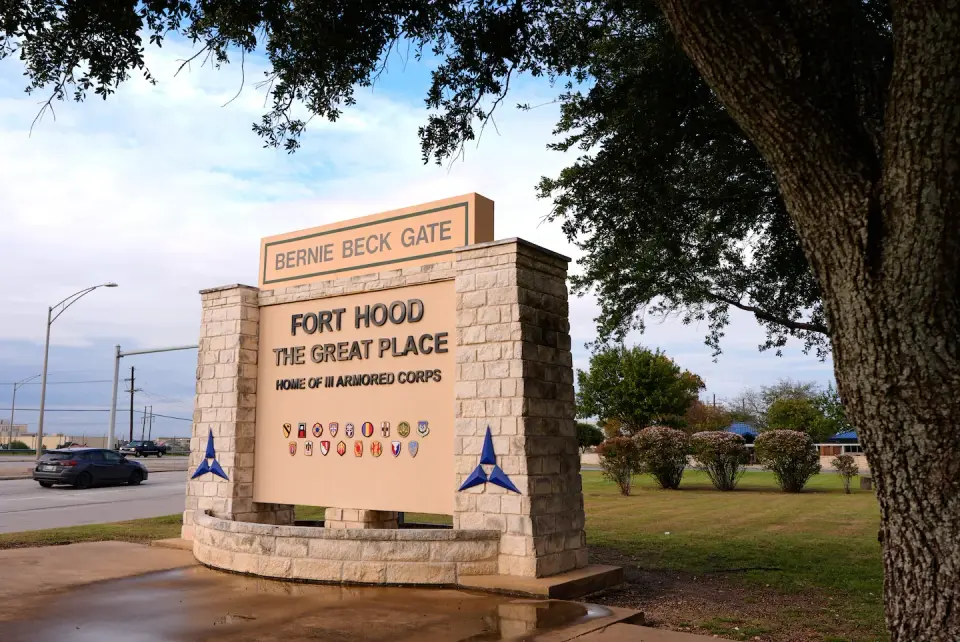
Nidal Malik Hasan, the former Army officer convicted of the 2009 Fort Hood massacre, has filed a motion in federal court to stay his scheduled December 3 execution. The move allows him to pursue a habeas corpus petition, a legal process experts say could delay the firing squad well beyond the current presidential term. While the execution remains scheduled for 1 p.m. at Fort Hood, the legal challenge introduces significant uncertainty regarding its timing.
Key points
- Hasan filed a motion for a stay of execution in civilian court to submit a habeas corpus petition, a process that requires the government to justify his detention.
- The ACLU of Kansas, which filed the motion, argues the case deserves full federal review, with the federal public defender stating the government cannot execute Hasan until his death sentence receives fair review.
- Military experts suggest the habeas process could stall the execution for years, potentially extending beyond President Trump's term, at which point a successor might avoid setting a new date.
- The execution is currently scheduled for 1 p.m. on December 3 at Fort Hood, the site of the 2009 attack that killed 13 people and injured 32 others.
- Hasan, who is paralyzed and uses a wheelchair, had previously exhausted his military justice appeals, leading to the approval of his death sentence in October.
Background
Hasan was convicted in 2013 of 13 counts of premeditated murder and 32 counts of attempted murder for the November 5, 2009, attack at Fort Hood, Texas. In October 2026, President Trump approved his execution by firing squad, reversing earlier plans to livestream the event after bipartisan backlash and public opposition. The proposed broadcast had drawn criticism from lawmakers, religious leaders, and human rights groups, who called it barbaric and warned it could serve as propaganda for extremists. The current legal challenge follows the exhaustion of his military appeals and a Supreme Court decline to hear his case last year.
How outlets are covering it
NBC News emphasizes the potential for a lengthy legal delay, noting that the habeas process could stall the execution beyond the current administration. The Washington Post focuses on the immediate legal maneuver, highlighting the request for a stay to pursue federal review. The Guardian highlights the emotional impact on survivors, noting that three individuals were denied the right to witness the execution, a decision the military justified by citing regulations and security concerns. While all sources agree on the filing of the stay, they differ in emphasis: NBC and the Post focus on the legal mechanics and potential delay, while the Guardian focuses on the exclusion of victims from the event.
Why it matters
The legal challenge could significantly delay or prevent the first military firing squad execution since 1945, raising questions about the intersection of military justice, constitutional rights, and political influence. The case also highlights ongoing debates over the treatment of victims in military executions and the potential for legal processes to stall high-profile cases.
What to watch
A hearing is scheduled for Wednesday before Judge Tony Mattivi to consider the stay of execution. If granted, the case will enter a lengthy federal review process. If denied, the execution remains scheduled for December 3, 2026, at Fort Hood. The outcome of the habeas petition could determine whether the execution proceeds as planned or is delayed for years.
- Fort Hood shooter asks court to delay execution scheduled for next week The Washington Post
- Fort Hood mass shooter makes legal move to stop Pentagon’s firing squad execution NBC News
- Fort Hood shooter asks for execution delay The Hill
- ACLU asks court to halt first military execution of former Army Maj. Nidal Malik Hasan KSAT
- Fort Hood survivors denied bid to witness shooter’s firing-squad execution The Guardian
Want the full story? Read the original reporting
Read on The Washington Post