
Judge Bars Plymouth from Requiring Insurance for Native American Thanksgiving Protest
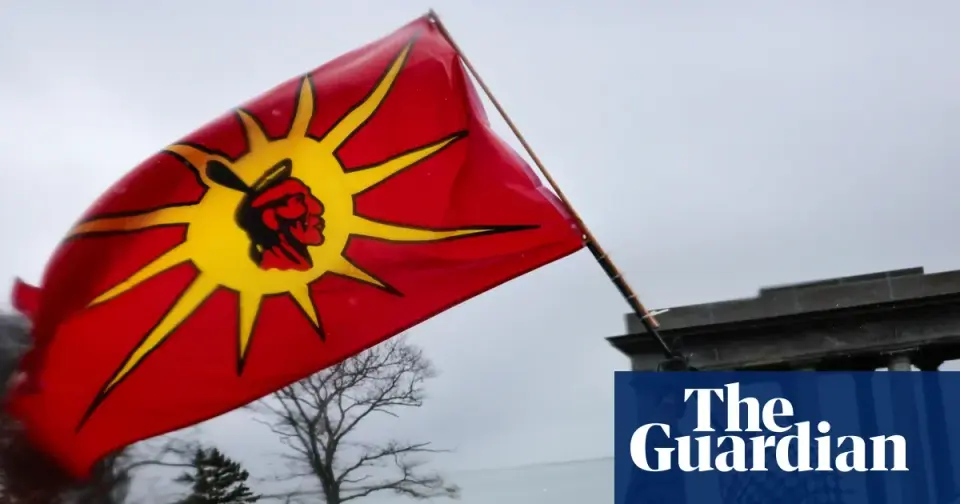
A Massachusetts judge ruled that the town of Plymouth cannot require the United American Indians of New England (UAINE) to provide insurance or permits for their annual National Day of Mourning protest, upholding a 1998 settlement. However, the judge also ruled that Plymouth is not obligated to provide a mobile stage for the event, a decision UAINE disputes. The protest is scheduled to proceed on Thanksgiving Day despite the partial ruling.
Key points
- Judge Brian Glenny ruled on November 24, 2026, that the 1998 settlement agreement between Plymouth and UAINE is legally binding, prohibiting the town from demanding insurance or permits for the National Day of Mourning.
- The judge simultaneously ruled that Plymouth is not required to provide a stage or mobile stage ('showmobile') for the event, a provision UAINE argues was part of the original agreement.
- UAINE co-leader Mahtowin Munro described the ruling as a 'mixed' victory, stating the group will proceed with the protest on Thanksgiving Day despite the lack of a town-provided stage.
- Plymouth Select Board Chair Deb Iaquinto stated the town remains committed to supporting the event but argued that providing a stage was never mandated by the 1998 agreement and was previously offered as a courtesy.
- The dispute stems from a November 10, 2026, vote by the Plymouth Select Board to require UAINE to obtain insurance, which UAINE alleged violated the 1998 settlement following a 1997 police clash.
Background
The National Day of Mourning was founded in 1970 by Wamsutta Frank James, an Aquinnah Wampanoag activist, after he was uninvited from a Mayflower anniversary celebration. The event has been held annually at Cole’s Hill in Plymouth, Massachusetts, to commemorate the suffering of Native Americans. A 1997 police confrontation with protesters, which resulted in 25 arrests, led to a 1998 out-of-court settlement in which Plymouth agreed not to impede future protests and to provide a mobile stage. This year’s dispute began when Plymouth officials demanded insurance in 2025 and again in November 2026, prompting UAINE to file an emergency motion for a temporary restraining order.
How outlets are covering it
The Guardian and WCVB emphasized the ruling as a partial victory for UAINE, highlighting the judge’s decision to uphold the 1998 agreement’s core protections against insurance and permit requirements. UAINE leaders, including Mahtowin Munro and Jean-Luc Pierite, framed the dispute as 'political oppression' and 'settler colonialism,' arguing that the town’s insistence on bureaucratic hurdles was an attempt to silence Indigenous voices and erase historical treaties. In contrast, Plymouth officials, including Select Board Chair Deb Iaquinto and town lawyers, maintained that the town had acted in good faith by offering alternative solutions, such as accessible parking and a concrete stage, and that the 1998 agreement did not explicitly mandate the provision of a mobile stage. CBS News reported the ruling neutrally, noting the judge’s finding that UAINE would not suffer 'irreparable harm' because they could provide their own stage, while also acknowledging UAINE’s disagreement with the stage provision ruling. The Plymouth Independent detailed the legal arguments over the interpretation of the word 'showmobile' in the 1998 agreement, noting that town lawyers argued the stage was a 'gratuitous offer' rather than a contractual obligation.
Why it matters
The ruling sets a precedent for the enforcement of historical agreements between Indigenous groups and municipal governments in the United States. It highlights ongoing tensions over the interpretation of settlements and the rights to protest on ancestral lands. The outcome may influence future disputes involving Native American groups and local authorities regarding event logistics and historical commitments.
What to watch
UAINE is scheduled to hold the 57th National Day of Mourning protest on Thanksgiving Day, November 26, 2026, at Cole’s Hill in Plymouth. The group is reviewing the judge’s ruling and evaluating legal options regarding the stage provision. Plymouth officials have stated they will abide by the ruling and remain committed to supporting the event, though they have not confirmed whether they will provide a stage. UAINE has indicated it may seek to enforce the 1998 agreement’s stage provision through further legal means if the town does not comply.
- ‘This is political oppression’: Native Americans accuse Massachusetts town in Thanksgiving dispute The Guardian
- Judge rules against tribe seeking stage for Day of Mourning on Thanksgiving Day in Plymouth The Boston Globe
- Plymouth can't require insurance for Native American National day of Mourning protest on Thanksgiving, judge rules CBS News
- Judge rules in stage dispute between United American Indians of New England, Plymouth WCVB
- Judge hears arguments over Native American protest Plymouth Independent
Want the full story? Read the original reporting
Read on The Guardian