
Indiana execution of Jeffrey Weisheit proceeds despite drug supplier concerns
Jeffrey Weisheit, 50, was executed in Indiana on November 5, 2026, despite a last-minute legal challenge questioning the state’s drug supply. Weisheit was convicted of the 2010 murders of two children. His attorneys argued that the state’s lethal injection drugs came from Pharmaneek, an Indianapolis pharmacy currently on probation and facing potential license suspension. Governor Mike Braun denied clemency and a request for an independent review of the execution protocol. The execution was the first in Indiana this year and occurred alongside scheduled executions in Alabama and Florida.
Key points
- Jeffrey Weisheit was executed at midnight on November 5, 2026, at the Indiana State Prison in Michigan City.
- Weisheit was convicted by a Vanderburgh County jury for the 2010 murders of Alyssa Lynch, 8, and Caleb Lynch, 5, in a house fire in Evansville.
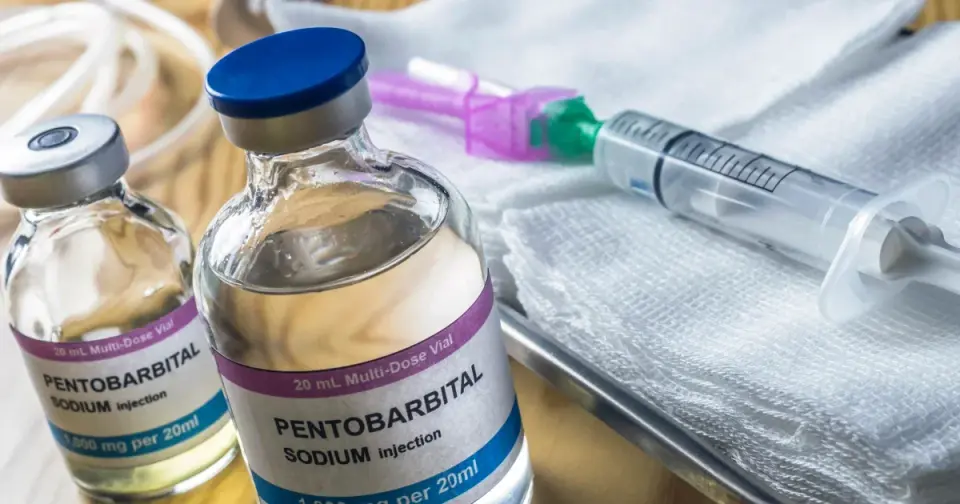
- Attorneys sought a reprieve, alleging the state purchased pentobarbital from Pharmaneek, a pharmacy on probation with a history of mishandling drugs.
- An invoice showed the state paid $275,000 for six vials of pentobarbital, significantly higher than the typical commercial price of $15,120 to $16,250.
- Governor Mike Braun denied clemency and a request for brain scans, agreeing with the parole board’s recommendation to proceed with the execution.
- The execution was the first in Indiana in 2026 and coincided with executions in Alabama and Florida, marking the second time three states executed inmates on the same day this year.
Background
This case follows the September 30, 2026, failed lethal injection of Christa Pike in Tennessee, which led to a statewide execution halt and an independent review. Pike survived two doses of pentobarbital and remains on a ventilator. The Tennessee incident intensified national scrutiny of capital punishment protocols and drug sourcing. Weisheit’s legal team cited the Pike case as evidence that Indiana’s execution protocol was susceptible to similar catastrophic failures. Indiana law shields the identities of execution drug suppliers, but a redacted invoice inadvertently revealed the pharmacy’s address.
How outlets are covering it
NBC News and AP News reported that Weisheit’s attorneys focused on the questionable source of the lethal drugs, specifically Pharmaneek, which faced a disciplinary hearing on November 9. NBC News highlighted the high cost of the drugs and the pharmacy’s probation status, while AP News noted that courts had rejected similar efforts to halt other executions since the Pike incident. WFIE emphasized the finality of the legal process, citing the Vanderburgh County Prosecutor’s statement that Weisheit had exhausted his constitutional protections. The Indiana Department of Correction and Attorney General’s office maintained confidence in the safety and legality of the execution, despite the allegations. The victims’ mother, Lisa Lynch, supported the death sentence, while the children’s father, Steven Lynch, had advocated for clemency and forgiveness.
Why it matters
The execution underscores ongoing tensions over the reliability of lethal injection drugs and the transparency of state procurement processes. It highlights the legal and ethical debates surrounding capital punishment, particularly in light of recent botched executions. The case also illustrates the conflict between state secrecy laws regarding execution suppliers and the public’s demand for accountability in the administration of the death penalty.
What to watch
The Indiana Board of Pharmacy is scheduled to hold a hearing on November 9 to determine whether Pharmaneek’s license should be suspended or further sanctions imposed. The pharmacy’s counsel requested a delay for the hearing. No further legal challenges to the execution were reported after the proceeding. The broader debate over lethal injection protocols and drug sourcing is expected to continue, especially as other states review their own execution methods.
- Lawyers rush to halt Indiana execution over state’s lethal drug supplier NBC News
- Final appeal filed to halt execution of double child killer Fox 59
- Convicted Evansville murderer to be executed in Indiana tonight WFIE | 14 News
- 3 executions scheduled for the same day in Indiana, Florida and Alabama AP News
- Indiana plans execution using drugs from pharmacy facing state probe, lawyer says The Washington Post
Want the full story? Read the original reporting
Read on NBC News