
Savannah fires six staff over Flock Safety misuse as national scrutiny intensifies
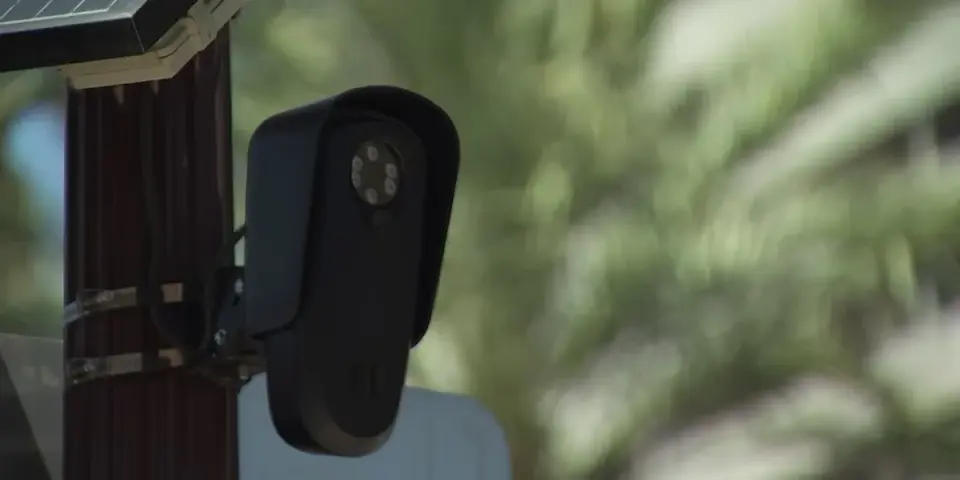
The Savannah Police Department terminated four officers and two civilians after an internal review found they misused the Flock Safety license plate reader system to track personal contacts. The Georgia Bureau of Investigation is conducting a parallel criminal probe. This local action follows a broader national trend where at least 50 officers have faced charges or accusations for similar abuses, prompting calls for stricter oversight and training reforms.
Key points
- Savannah Police fired four sworn officers and two civilian employees following an internal investigation into the misuse of Flock Safety license plate readers.
- Investigators found that employees ran searches on personal acquaintances and family members, with one officer granting unauthorized access to an outside agency.
- The misconduct was detected through the Flock Safety Audit Assist program, which became available in April, and subsequent weekly audits by the Office of Professional Standards.
- The Georgia Bureau of Investigation is conducting an independent criminal investigation, and the names of the terminated employees have not been released due to ongoing legal proceedings.
- The Savannah case is part of a wider national pattern; The Washington Post reports that at least 50 officers nationwide have been charged or accused of using such systems for personal surveillance.
Background
This development follows earlier reports in August 2026 regarding widespread misuse of license plate reader networks. A previous investigation highlighted that dozens of officers across the country, including in North Carolina and Wisconsin, had used Flock Safety systems to track ex-partners or coworkers. While some departments like Mooresville, North Carolina, have already charged officers, others are still reviewing potential cases. The Savannah incident underscores the growing tension between the utility of these tools for crime prevention and the risks of privacy violations when oversight is inconsistent.
How outlets are covering it
WTOC focuses on the specific administrative and criminal outcomes in Savannah, emphasizing the department's new weekly audit protocols. The Washington Post provides a broader national context, framing the Savannah case as part of a systemic issue where rogue officers have turned camera networks into stalking tools, citing at least 50 implicated officers. WBTV and FOX 2 Detroit highlight similar recent cases in North Carolina and Michigan, respectively, where officers were charged or investigated for tracking personal relationships. While WTOC and WBTV detail specific instances of misuse, The Washington Post and FOX 2 Detroit emphasize the political and policy responses, including calls for better training and accountability measures from state lawmakers.
Why it matters
The termination of Savannah employees and the ongoing criminal investigations signal a shift toward stricter enforcement of data privacy policies in law enforcement. As license plate reader technology becomes more prevalent, the potential for personal misuse raises significant concerns about public trust and the integrity of policing tools. The case highlights the need for robust, proactive auditing mechanisms rather than reactive measures, ensuring that surveillance technology is used solely for legitimate law enforcement purposes.
What to watch
The Savannah Police Department will continue to cooperate with the Georgia Bureau of Investigation as the criminal probe proceeds. The department has implemented recurring weekly audits to prevent future misuse. Nationally, Michigan lawmakers are working to update training standards and accountability measures, while other jurisdictions may face similar scrutiny as they review their own Flock Safety usage logs. The outcome of the criminal cases in Savannah and other states could set precedents for how such misconduct is penalized and prevented.
- Savannah Police Department fires 6 employees over Flock Safety System misuse WTOC
- How rogue officers turned a nationwide camera network into a tool for stalking The Washington Post
- Mooresville police officer accused of using Flock cameras to track boyfriend’s ex-wife WBTV
- Concerns over police and Flock Cameras after misuse case FOX 2 Detroit
- Police chief responds to alleged misuse of Flock cameras NewsNation
Want the full story? Read the original reporting
Read on WTOC