
Judge Subramanian Forces DOJ to Withdraw Subpoenas Against NYT Reporters After Grilling
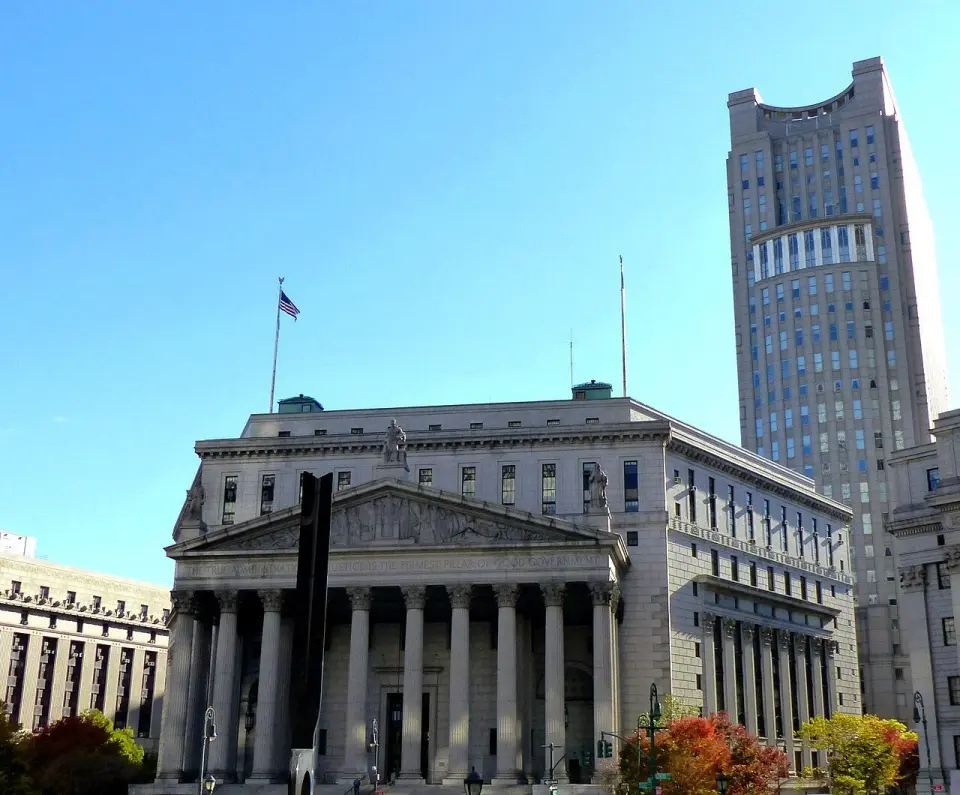
U.S. Attorney Sean Buckley conceded that the Justice Department failed to meet legal standards for subpoenaing journalists, leading to the withdrawal of subpoenas against New York Times reporters after a judge threatened to quash them.
Key points
- Judge Arun Subramanian ordered the government to withdraw subpoenas targeting New York Times reporters after finding they violated the 'Gonzales' test for reporter privilege.
- The subpoenas followed Times articles reporting that President Trump switched from a Qatari-gifted jet to Air Force One due to security concerns, contradicting the president's public claims.
- Federal agents served subpoenas at reporters' homes and sought phone records, including those of family members, without notifying the journalists until July 17.
- The government admitted to 'inadvertent errors,' including falsely stating the investigation was not public in a non-disclosure order, despite a public Justice Department statement confirming it.
- The withdrawal came after the judge noted the government had not made 'all reasonable attempts' to obtain information from alternative sources, as required by regulations and case law.
Background
This incident follows earlier coverage of the Times' reporting on security gaps in the Qatari-gifted jet, which the administration labeled a 'bribe plane.' Previous archive notes indicate that U.S. Attorney Jay Clayton, now nominated for Director of National Intelligence, faced scrutiny over these subpoenas during his Senate confirmation hearing, where he claimed adherence to media guidelines that the current hearing suggests were ignored.
How outlets are covering it
CNN and the Freedom of the Press Foundation emphasize the 'bad faith' and 'careless overreach' of the Justice Department, highlighting the chilling effect on press freedom. CNN notes that the withdrawal was a concession to avoid a judicial quash, while the Foundation argues that U.S. Attorney Jay Clayton likely lied to Congress about following 'all reasonable attempts' protocols. The primary source details the judge's rigorous interrogation of government lawyers, focusing on procedural failures and the admission that the Gonzales test was not met. All sources agree that the subpoenas were withdrawn, but they differ on the degree of culpability, with the Foundation framing it as potential perjury and the primary source focusing on the legal mechanics of the withdrawal.
Why it matters
The case sets a precedent for the limits of government power to subpoena journalists, reinforcing the 'Gonzales' standard that requires exhausting alternative sources before targeting the press. It highlights tensions between national security investigations and First Amendment rights, potentially influencing future cases involving media subpoenas and the accountability of officials who bypass legal safeguards.
What to watch
The Justice Department has stated the investigation remains ongoing, but the court retains jurisdiction over any new subpoenas targeting the same reporters. The Times plans to submit a letter on the scope of this jurisdiction by Monday. Critics expect the government to avoid reissuing similar subpoenas due to the public record of the judge's criticism and the admitted errors.
- The Subpoena Detective: A Dispatch from the Times Hearing Lawfare
- Senate Democrats Press Blanche on Times Subpoenas The New York Times
- Senate Democrats investigating DOJ subpoenas of New York Times reporters The Hill
- Trump’s DOJ says it will withdraw subpoenas targeting NY Times reporters CNN
- It sure looks like Jay Clayton lied to Congress about the NYT subpoenas Freedom of the Press Foundation
Want the full story? Read the original reporting
Read on Lawfare