
Federal Court Weighs Whether Border Phone Wipe Constitutes Evidence Destruction
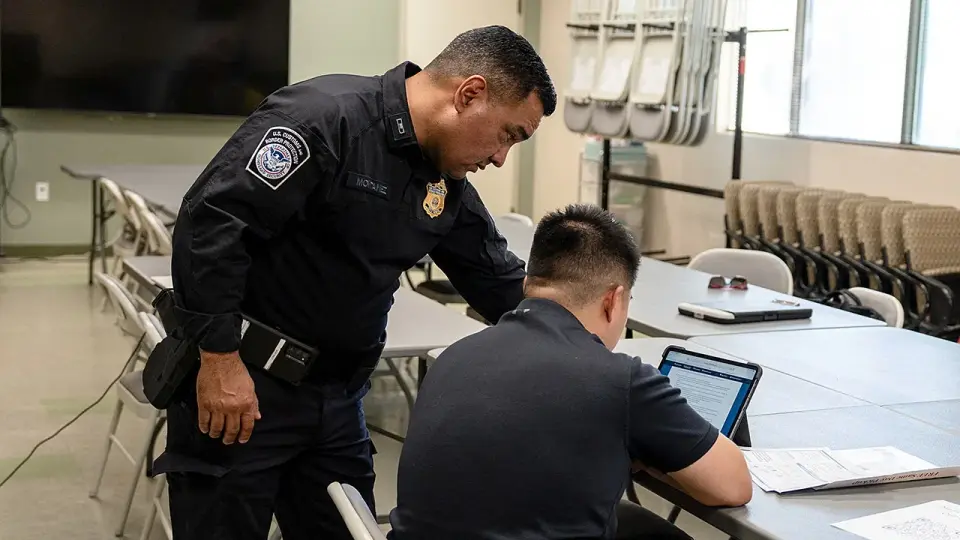
An Atlanta man faces a federal felony charge for allegedly wiping his phone during a border inspection. Prosecutors claim he used a privacy feature to destroy evidence, while his defense argues the search was unconstitutional. The case highlights tensions between border search powers and digital privacy rights.
Key points
- Samuel Tunick was indicted in November 2025 for allegedly destroying property to prevent government seizure.
- Tunick claims he used a GrapheneOS duress PIN to wipe his phone after CBP agents detained him without a warrant.
- Defense attorneys argue the search violated Fifth and Sixth Amendment rights and was pretextual.
- The case centers on whether the border-search exception applies to forensic phone inspections.
- An evidentiary hearing was held in July 2026, with a ruling pending on the motion to suppress evidence.
Background
This case follows earlier reports in July 2026 regarding the legal dispute over Tunick's actions. The broader context involves ongoing debates about the scope of the border-search exception in the Fourth Amendment, particularly regarding digital devices. Previous coverage noted the lack of a uniform national standard for phone searches at borders, with varying rulings across federal circuits.
How outlets are covering it
Fox News emphasizes the legal risk of using duress features during active inspections, framing it as a potential felony. WBRC highlights the defense's argument that the search was a pretext for investigating political activism, citing admissions by agents that they had no suspicion of child pornography. The Washington Post and The Atlantic focus on the constitutional implications, arguing that warrantless forensic searches set a dangerous precedent for privacy. The sources differ on the intent behind the search: prosecutors view it as evidence destruction, while defense and privacy advocates see it as an unlawful seizure.
Why it matters
The outcome could define the limits of border search powers in the digital age. A ruling against Tunick could legitimize warrantless forensic searches of phones, while a ruling in his favor could restrict CBP's ability to access digital data without probable cause. It also raises questions about the legality of privacy-focused operating systems like GrapheneOS in the context of government inspections.
What to watch
The court is expected to rule on the motion to suppress evidence after the government's response is due on October 9, 2026. Tunick's reply is due on October 23, 2026. The case may serve as a precedent for future border search disputes involving digital devices.
- Self-destructing phone code sparks federal case Fox News
- Activist faces federal charge after airport phone search WBRC
- Opinion | U.S. customs officers want your password? It’s an insidious trap. The Washington Post
- Trump Should Need a Warrant to See Your Phone The Atlantic
- An airport search, a wiped phone and a potential test of Fourth Amendment protections CNN
Want the full story? Read the original reporting
Read on Fox News