Tag

Grapheneos

All articles tagged with #grapheneos

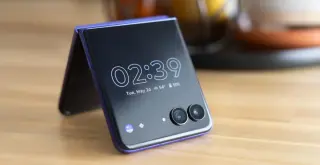
GrapheneOS Expands to Motorola Flagships and Razr Foldables
technology2 days ago

GrapheneOS Expands to Motorola Flagships and Razr Foldables

GrapheneOS announced it will start official support for Motorola devices next year, beginning with flagship phones and later adding Razr foldables; the project aims to bring its privacy‑focused, de-Googled Android to Motorola hardware, with hardware security requirements (memory tagging, secure element) influencing timelines. The team expects next‑gen Snapdragon 8 Elite chips to meet its standards, targeting Motorola’s 2027 devices for initial support, while cheaper models would need stronger security features and longer software commitments.

GrapheneOS gears up for high-end Motorola flagships priced above Pixels
news4 days ago

GrapheneOS gears up for high-end Motorola flagships priced above Pixels

GrapheneOS says its first Motorola devices will be high-end flagships arriving in 2027 and will cost more than Pixel phones; cheaper Motorola models will follow later as Qualcomm's lower-end chipsets currently lack the same level of security and long-term software support. GrapheneOS plans to host its own AOSP repositories and align updates with major Android releases, expanding beyond Pixel phones.

Duress PIN on GrapheneOS triggers federal case at U.S. border
technology16 days ago

Duress PIN on GrapheneOS triggers federal case at U.S. border

A traveler’s GrapheneOS duress PIN allegedly wiped his Google Pixel during a U.S. Customs and Border Protection inspection, leading to a federal charge for destroying government property to prevent a seizure. Prosecutors say the act was intentional and aimed at obstructing the inspection, while the defense contends CBP exceeded its authority; the case spotlights tensions between border-search powers and digital privacy and could influence how such privacy features are treated in court.

GrapheneOS Wipe at Airport Sparks Federal Privacy-Evidence Debate
technology29 days ago

GrapheneOS Wipe at Airport Sparks Federal Privacy-Evidence Debate

Prosecutors allege Sam Tunick used GrapheneOS to wipe his Pixel during an Atlanta airport screening to destroy evidence in an investigation tied to Cop City protests; his defense says the warrantless search violated constitutional rights, raising questions about border search powers and the legality of privacy-focused operating systems, with a judge's ruling anticipated later this year.

Border privacy clash: US charges man over duress password that wiped his phone
policy1 month ago

Border privacy clash: US charges man over duress password that wiped his phone

US prosecutors have charged Sam Tunick with destroying or damaging property to prevent a border seizure, alleging he used GrapheneOS’s “duress password” to wipe his phone at Atlanta’s airport in January 2025. Tunick’s lawyers argue the detention was unlawful and that agents lacked a warrant or rights advisement, while the government says a warrant wasn’t required for entry. The case highlights tensions between digital privacy and law enforcement at U.S. borders and questions about evidence admissibility in border searches.

De-Googled Android in 2026: The Best Alternatives for Privacy and Customization
technology6 months ago

De-Googled Android in 2026: The Best Alternatives for Privacy and Customization

WIRED surveys de-Googled Android paths for 2026, noting that a true Android rival remains iOS, but practical alternatives exist as AOSP-based ROMs that strip Google services. The top options are Fairphone 6 with /e/OS as the best preinstalled choice, GrapheneOS for Pixel devices as the strongest security-focused option, /e/OS for non‑Pixel phones, and LineageOS for DIY tinkering with no Google by default. These platforms emphasize privacy controls (tracker blocking, app-permission scopes) but may require unlocked bootloaders, have hardware limitations, and can affect app compatibility.

"Google Urges Immediate Update for Pixel Phones Due to Zero-Day Exploits"
technology2 years ago

"Google Urges Immediate Update for Pixel Phones Due to Zero-Day Exploits"

Google has fixed two high-severity security flaws in its Pixel phones, which were being exploited by forensic companies to gain access without needing a PIN. The vulnerabilities, discovered by GrapheneOS, include an information disclosure flaw in the bootloader and a privilege escalation flaw in the firmware. Google recommends all users to update their phones immediately to patch these vulnerabilities, and the fix involves zeroing memory in firmware when rebooting to fastboot mode. If you have a supported Google device, check for updates under "Security and privacy" in Settings to ensure you have the latest Pixel security update.

"Google vs GrapheneOS: Which is the Better Privacy-Focused Option?"
technology3 years ago

"Google vs GrapheneOS: Which is the Better Privacy-Focused Option?"

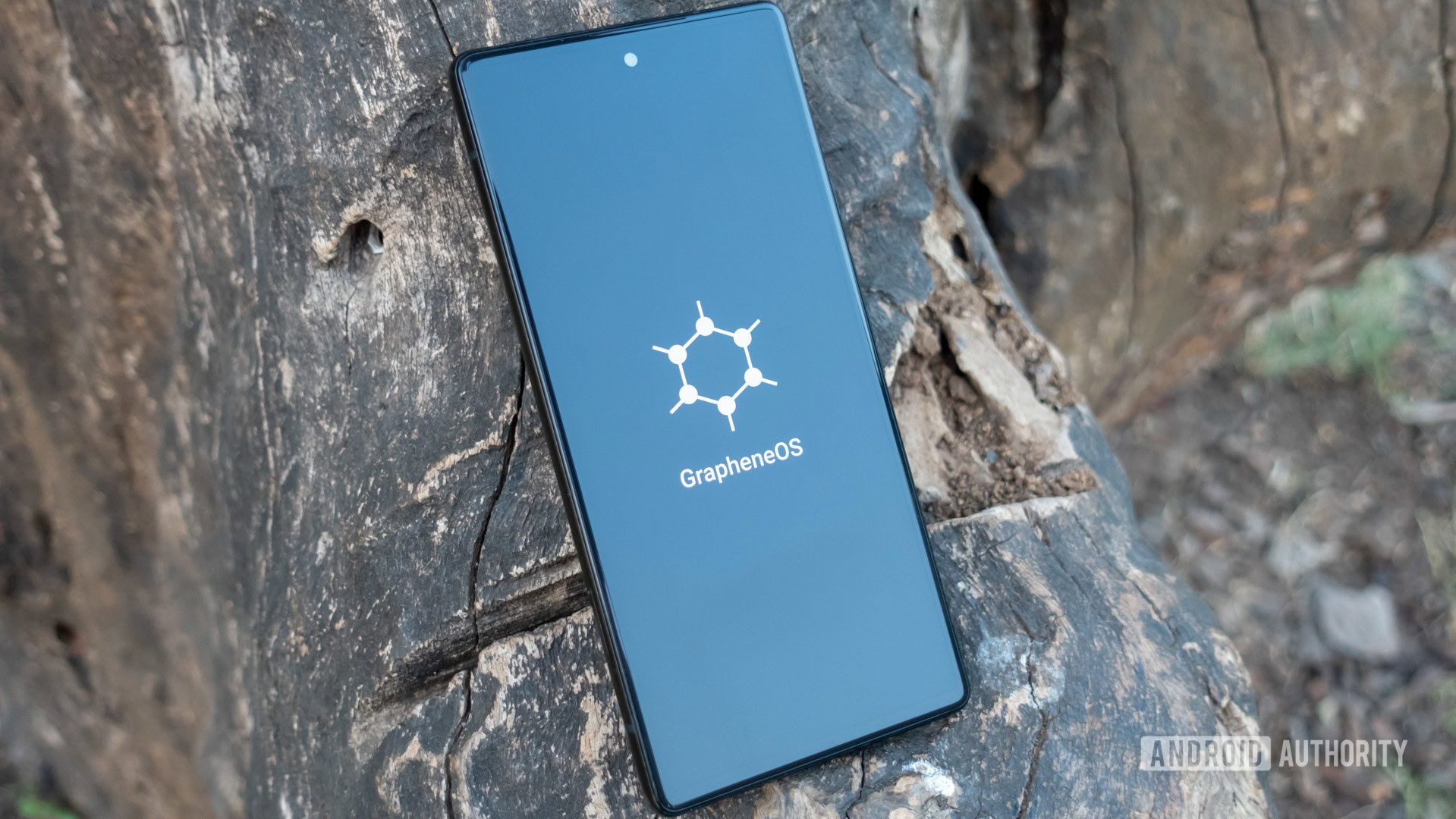
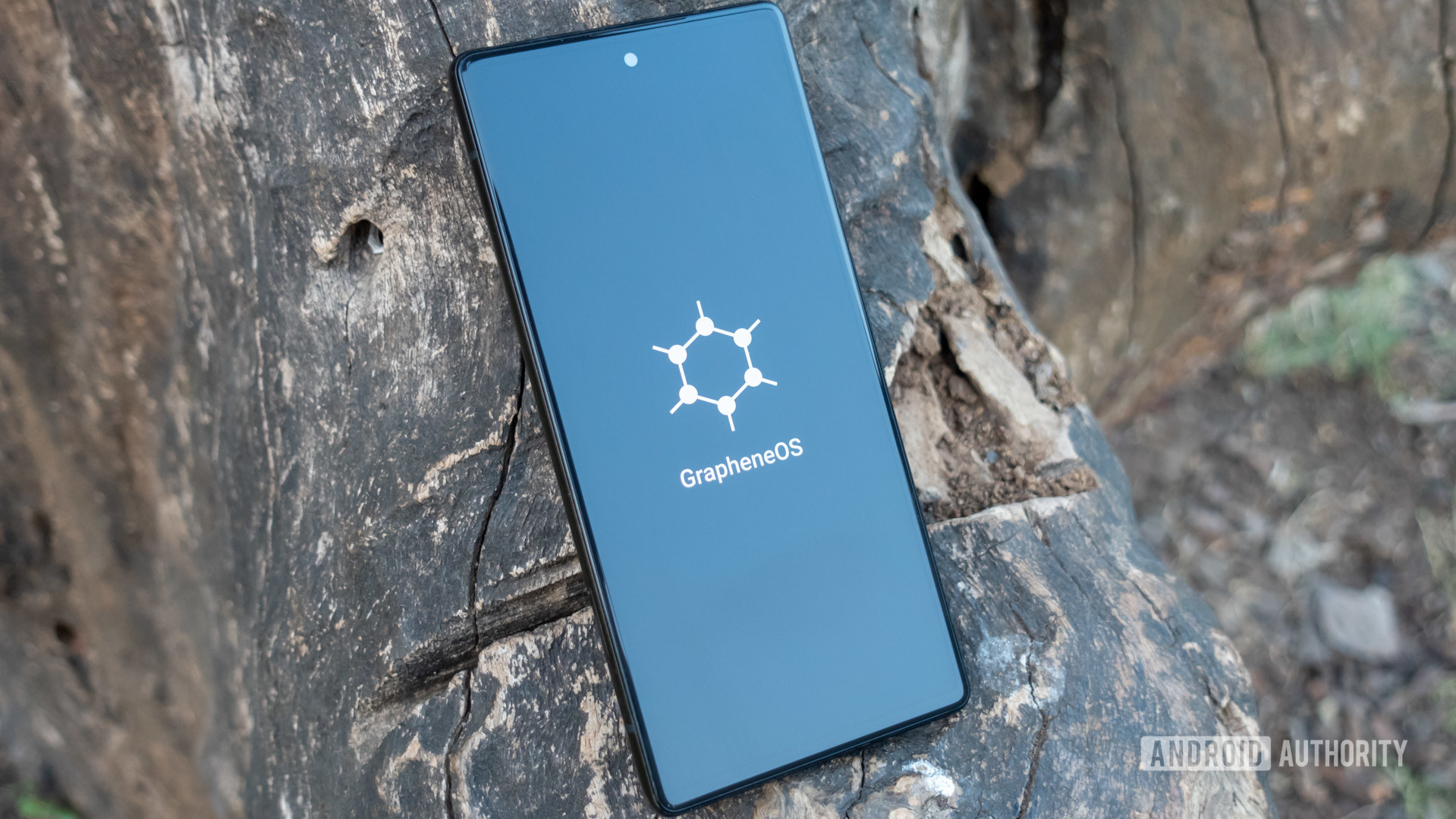
Android Authority is conducting a poll to determine if users would consider switching to GrapheneOS, a privacy-focused phone operating system that allows users to continue using Google's apps and services without compromising their phone's usability. GrapheneOS delivers a secure Android experience while preventing Google from collecting user data. Users can still download apps from the Play Store, receive push notifications via Google's servers, and sync data as usual.

Switching to GrapheneOS: My Privacy-Focused Pixel ROM Experience
technology3 years ago

Switching to GrapheneOS: My Privacy-Focused Pixel ROM Experience

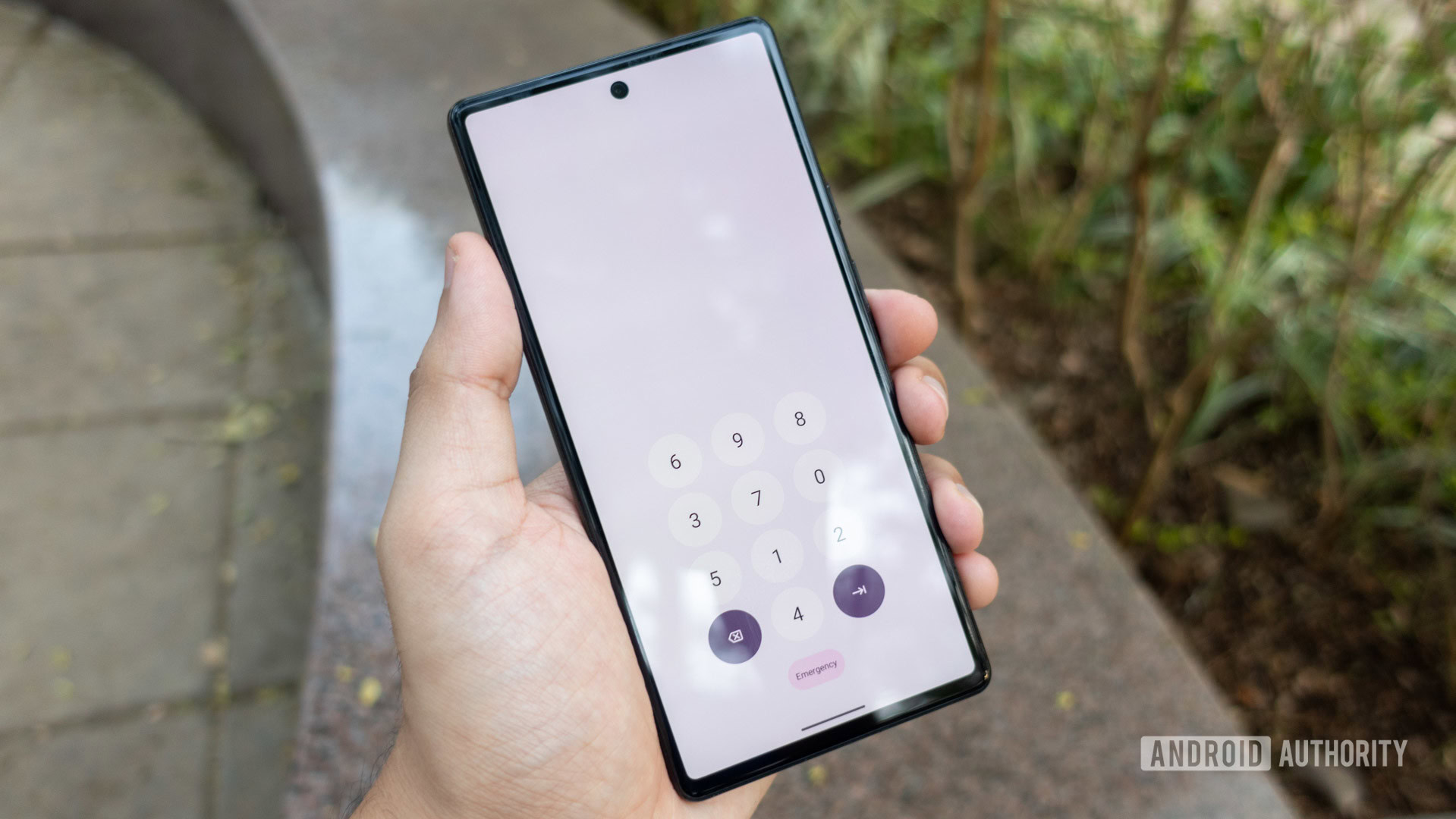
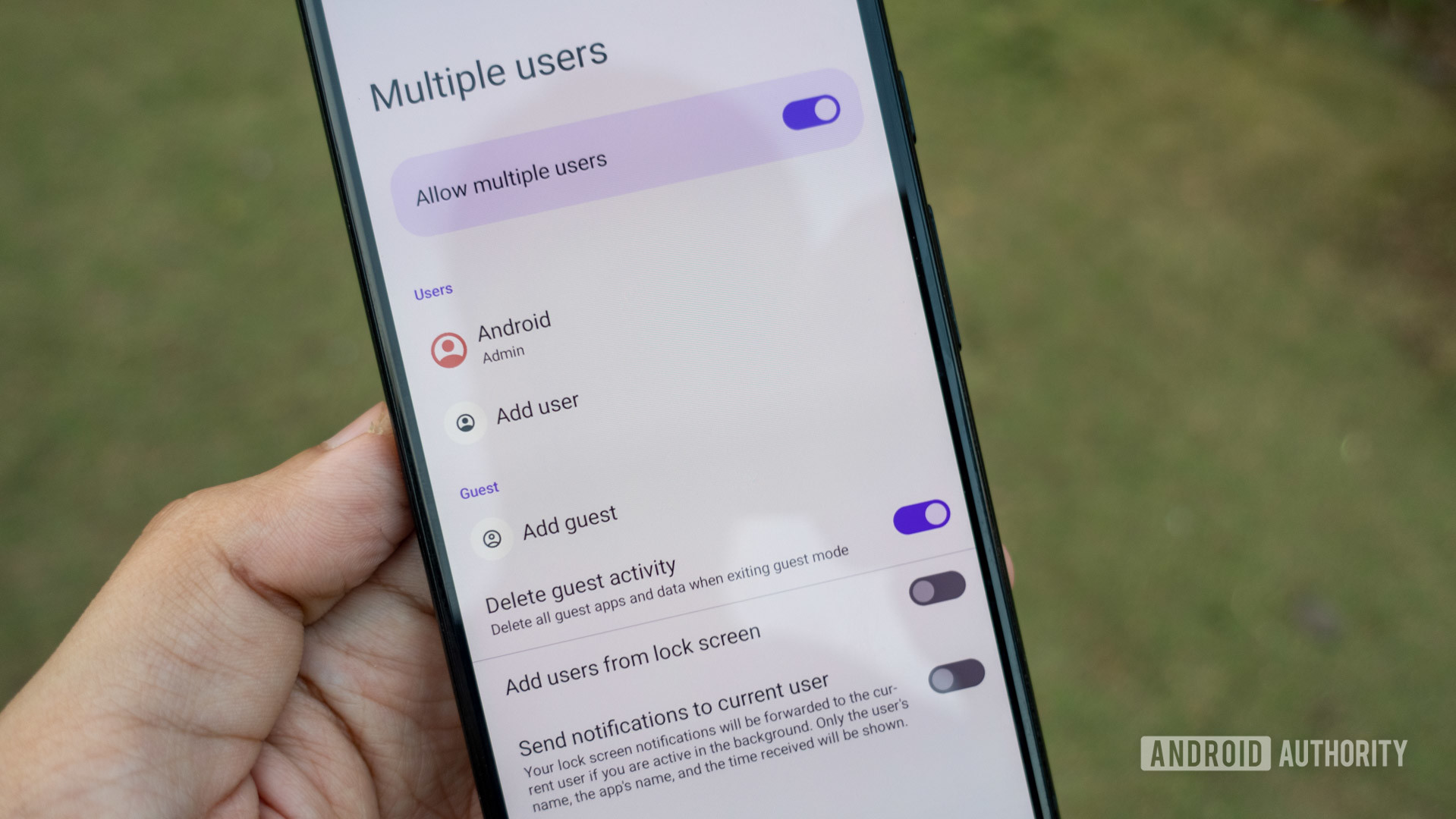
GrapheneOS is a custom ROM that offers a private and secure Android experience without compromising the usability of your smartphone. It allows you to install Google Play Store and Play Services as user apps, forcing them to respect Android’s sandbox, and also lets you revoke sensitive app permissions like location and file access. GrapheneOS also offers features like Storage Scopes, multiple user profiles, per-app network access, and scrambled PIN input. However, it can only be installed on recent Pixel smartphones and some apps like Android Auto are incompatible with its sandbox model.