
Hasan files habeas petition to delay Dec. 3 firing squad execution
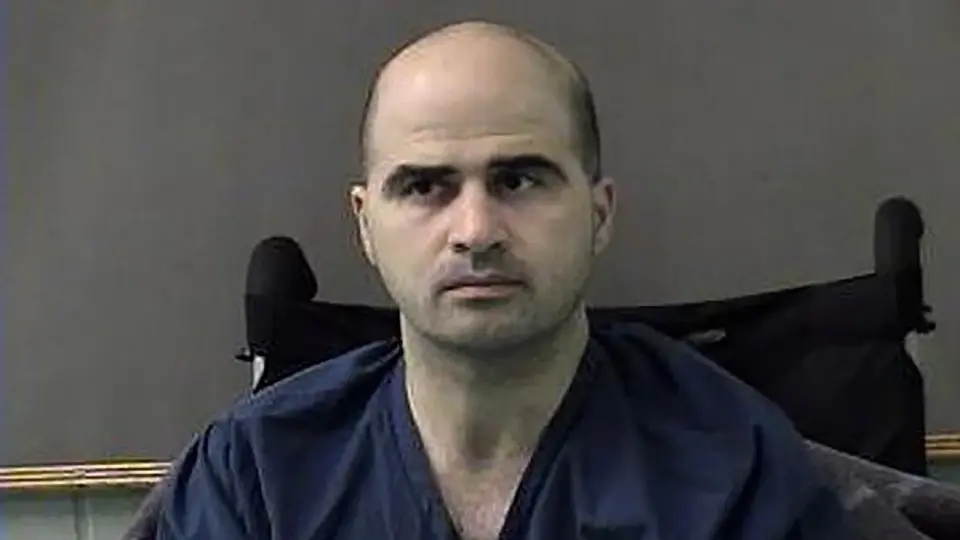
Nidal Hasan, the former Army major convicted of the 2009 Fort Hood mass shooting, is expected to file a habeas corpus petition within days to delay his scheduled December 3 execution. The legal maneuver, supported by the ACLU, aims to halt the firing squad by invoking federal review rights, potentially stalling the process for years. While the military has confirmed the execution date, this new legal challenge introduces significant uncertainty regarding whether the sentence will be carried out before the end of President Trump’s term.
Key points
- Hasan’s lawyer John Galligan confirmed a habeas corpus petition is imminent, a legal mechanism that can delay executions for years even if unsuccessful.
- The ACLU of Kansas filed a motion for a stay of execution on Tuesday, arguing the government must uphold due process rights despite the gravity of the crime.
- Military experts suggest the habeas process could stall the execution beyond President Trump’s term, potentially leading to a successor declining to set a new date.
- The execution is scheduled for 1 p.m. on December 3 at Fort Hood, Texas, by firing squad, a method not used by the U.S. military since 1945.
- Three survivors of the 2009 attack were denied permission to witness the execution, citing security and space restrictions, despite their claims of victim status.
Background
Hasan was convicted in 2013 for killing 13 and wounding 32 in a 2009 attack he described as a 'jihad' against U.S. wars in Iraq and Afghanistan. His appeals were exhausted in 2018, and President Trump approved the execution in October 2026. Earlier this month, the Pentagon abandoned plans to livestream the execution after bipartisan backlash and concerns over propaganda, with Trump stating the event would not be broadcast. The military has not executed a service member since 1961.
How outlets are covering it
ABC News and NBC News emphasize the legal strategy of the habeas petition, noting it could delay the execution for years or beyond the current administration. The ACLU frames the delay as a necessary protection of due process, while federal public defenders argue the case has become a 'political spectacle.' The Guardian highlights the emotional impact on survivors, who were denied the right to witness the execution, describing the military's handling as a 'betrayal.' Task & Purpose focuses on logistical preparations, noting that most soldiers at Fort Hood will be ordered off duty on December 3 to ensure security and focus resources on the execution. All sources agree that the habeas petition is a significant development that could prevent the execution from proceeding as scheduled.
Why it matters
The habeas petition introduces a major legal hurdle to the first military execution in over 60 years, potentially delaying or preventing the event. It highlights tensions between military justice, due process, and political spectacle, with implications for how the U.S. handles capital punishment in military courts. The outcome may influence future cases involving military death row inmates and the role of federal courts in reviewing military convictions.
What to watch
The court will decide whether to grant a stay of execution to allow Hasan to file his habeas petition. If granted, the case will enter a lengthy federal review process, potentially lasting years. If denied, the execution may proceed as scheduled on December 3, though the military has not confirmed whether the date will hold. The outcome will also influence whether future military executions are carried out under the current administration or deferred to a successor.
- Fort Hood shooter Nidal Hasan expected to file habeas petition that could delay his execution ABC News - Breaking News, Latest News and Videos
- Fort Hood mass shooter makes legal move to stop Pentagon’s firing squad execution NBC News
- Fort Hood survivors denied bid to witness shooter’s firing-squad execution The Guardian
- They want to watch Fort Hood shooter Nidal Hasan die but the Army won’t let them ABC News - Breaking News, Latest News and Videos
- Most Fort Hood soldiers will not go to work when the Army executes Nidal Hasan Task & Purpose
Want the full story? Read the original reporting
Read on ABC News - Breaking News, Latest News and Videos