
Judge Halts Discovery in Patel vs. Atlantic Suit, Citing First Amendment Risks
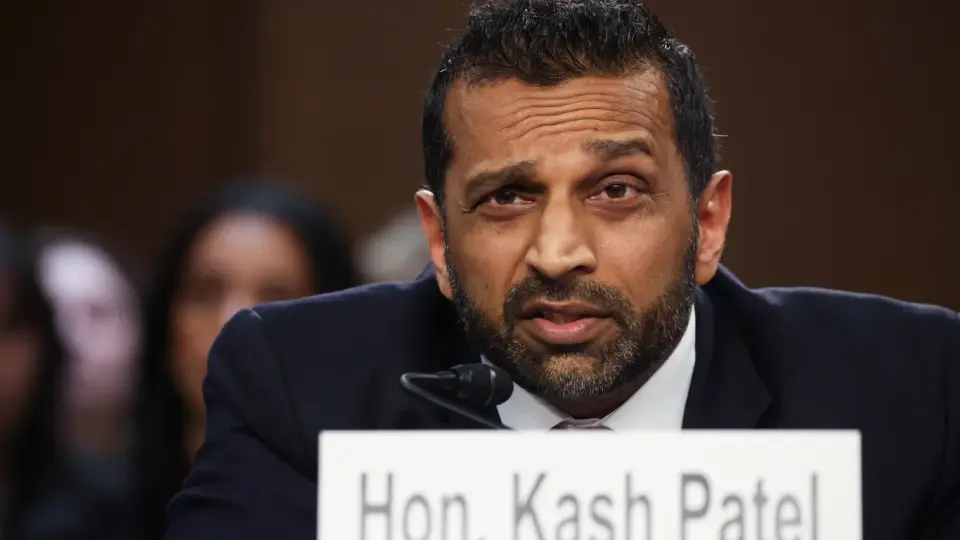
U.S. District Judge Emmet Sullivan paused most discovery in Kash Patel’s $250 million defamation lawsuit against The Atlantic, ruling that the publication’s First Amendment concerns outweigh the need for immediate evidence gathering. The judge allowed both sides to request specific government records but blocked broad access to Patel’s personal and personnel files. Sullivan noted that proceeding with full discovery could expose confidential sources to retaliation, a risk The Atlantic argued would cause substantial prejudice. The ruling does not determine the truth of the magazine’s April report, which alleged Patel struggled with alcohol use and job insecurity, nor does it address the merits of the defamation claim. Patel had previously denied the reporting and sued shortly after publication. The decision maintains the status quo until Sullivan rules on The Atlantic’s motion to dismiss the case.
Key points
- Judge Emmet Sullivan issued a 16-page ruling staying most discovery in the lawsuit filed by FBI Director Kash Patel against The Atlantic.
- The judge acknowledged The Atlantic’s legitimate First Amendment concerns, warning that discovery could expose confidential sources to retaliation and cause substantial prejudice.
- Sullivan rejected Patel’s objection that the limited discovery arrangement was unfair, allowing both parties to request specific Justice Department and FBI records.
- The ruling does not adjudicate the truth of The Atlantic’s April report, which alleged Patel had alcohol-related issues and feared losing his job, nor does it rule on the defamation claim.
- The Atlantic described Patel as a 'serial defamation plaintiff' and warned that he might use governmental power to influence the litigation.
Background
This legal dispute arises amid broader tensions involving the Justice Department and former FBI officials. Recent archive coverage highlights a series of dismissed criminal charges against former FBI agents Nikki Floris and Bradley Benavides, which judges cited as politically motivated and lacking evidentiary rigor. Additionally, former Chicago FBI chief Douglas DePodesta recently sued Trump administration officials, alleging he was scapegoated for the collapse of the 'Broadview Six' prosecution. These cases illustrate a pattern of legal challenges surrounding the FBI’s leadership and the administration’s handling of politically sensitive investigations, providing a backdrop for Patel’s current litigation against media outlets.
Why it matters
The ruling sets a precedent for how courts balance First Amendment protections against public figures’ defamation claims when government officials are involved. By pausing discovery, the judge prioritized the protection of journalistic sources over the immediate pursuit of evidence, potentially influencing future cases involving government officials suing the press. The outcome may also impact how The Atlantic and other outlets handle sensitive reporting on high-ranking officials, knowing that courts may shield their newsgathering processes from broad legal scrutiny.
What to watch
Judge Sullivan will rule on The Atlantic’s motion to dismiss the lawsuit, which could end the case before trial. Both parties are permitted to request specific government records in the interim, but broad discovery remains stayed. The outcome of the motion to dismiss will determine whether the case proceeds to further litigation or is resolved on procedural grounds.
Want the full story? Read the original reporting
Read on Axios