
Judge rejects Lindsay Clancy’s double jeopardy bid, paving way for potential 2027 retrial
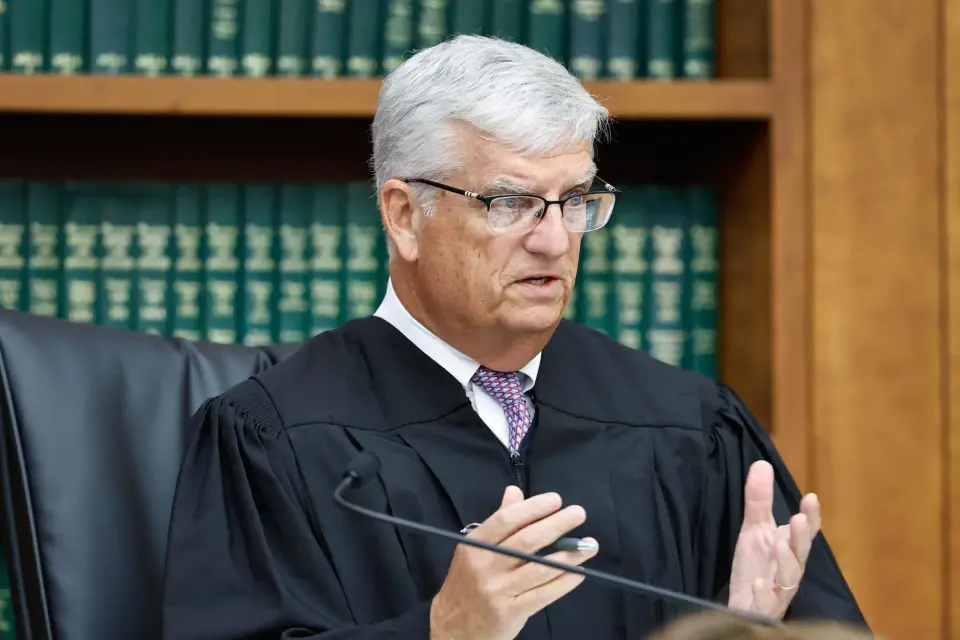
Judge William Sullivan denied three key motions in the Lindsay Clancy case, rejecting the defense’s double jeopardy argument and clearing the path for a potential retrial. Sullivan ruled that the September mistrial was necessary due to a holdout juror, though he denied requests for a gag order and access to the juror’s private records. A hearing on November 16 will determine if prosecutors pursue new charges, with a trial potentially scheduled for March 2027.
Key points
- Judge Sullivan denied the defense’s motion to dismiss the case on double jeopardy grounds, ruling the mistrial was justified by 'manifest necessity' when the jury could not reach a verdict.
- Sullivan rejected the defense’s request for a 'limited inquiry' into the holdout juror, citing privacy concerns and the risk of discouraging future jury service.
- The judge denied the prosecution’s request for a gag order on defense attorney Kevin Reddington, stating prosecutors failed to prove that media comments would prejudice a future jury.
- Plymouth County District Attorney Tim Cruz has not yet confirmed whether he will seek a retrial or pursue first-degree murder charges, though a hearing is scheduled for November 16.
- Sullivan indicated a potential trial date in March 2027, noting that if lesser charges are sought, the defense could request a bench trial.
Background
Lindsay Clancy is accused of strangling her three children, Cora, Dawson, and Callan, in January 2023 at their home in Duxbury, Massachusetts. Her first trial ended in a mistrial in September 2026 after a jury deadlock. The defense has argued Clancy suffered from postpartum psychosis and should be found not guilty by reason of insanity. Previous rulings in October 2026 rejected her bid for an acquittal, setting the stage for the current double jeopardy dispute.
How outlets are covering it
WBUR and The New York Times focus on the legal outcome of the denied motions, emphasizing Sullivan’s ruling that the mistrial was necessary to avoid a coerced verdict. The Guardian highlights the background of the 2023 killings and the defense’s insanity plea, noting that a conviction for first-degree murder carries a mandatory life sentence without parole. CNN provides additional detail on the 'manifest necessity' legal standard and notes that the holdout juror, Michael Péguy Desronvil, has publicly disputed the claims made by other jurors. While all outlets agree the retrial path is open, they differ in emphasis: WBUR and NYT focus on the procedural rulings, The Guardian on the stakes and background, and CNN on the specific legal justifications and the juror’s response.
Why it matters
The ruling determines whether Clancy will face a second trial for the 2023 deaths of her three children. The outcome of the November 16 hearing will decide if prosecutors pursue first-degree murder charges or lesser offenses, which could alter the trial format. The case also highlights ongoing debates about jury privacy, double jeopardy protections, and the handling of mentally ill defendants in high-profile criminal cases.
What to watch
A hearing is scheduled for November 16 in Plymouth, where prosecutors will decide whether to seek a retrial and what charges to pursue. If a retrial proceeds, it is tentatively scheduled for March 2027. The defense may request a bench trial if prosecutors seek lesser charges such as second-degree murder or manslaughter.
- Judge denies three motions in Lindsay Clancy case ahead of hearing on retrial WBUR
- Judge Denies Request to Throw Out Lindsay Clancy’s Murder Charges The New York Times
- Judge refuses to dismiss murder charges against Lindsay Clancy, or launch inquiry into holdout juror The Boston Globe
- Judge clears way for Lindsay Clancy to be retried on murder charges The Guardian
- Judge denies Lindsay Clancy’s motion to dismiss murder charges, paving the way for potential retrial CNN
Want the full story? Read the original reporting
Read on WBUR