
Judge Sweeney holds ICE in contempt for instant re-arrests in Colorado
U.S. District Judge Charlotte Sweeney held ICE and the federal government in contempt for instantly re-arresting at least 18 immigrants in Colorado after court-ordered releases. The judge declined further penalties because ICE officials testified the practice had ceased, but warned that the pledge is legally binding. The ruling follows similar incidents in Minnesota and Louisiana, where courts have also condemned rapid re-detentions that violate habeas corpus orders.
Key points
- Judge Sweeney ruled that ICE’s practice of re-detaining individuals within minutes of release 'made a mockery of court orders.'
- The contempt finding targets Nichole Black, ICE’s assistant field office director in Denver, and the federal government.
- Acting Denver Field Office Director Nathan Rasper testified that he had stopped the re-arrests after a Nov. 4 hearing, which Sweeney deemed sufficient to 'cure' the contempt.
- The case centers on Ramon Quintero Alvarez, a long-term U.S. resident released under a habeas corpus order but immediately re-detained.
- Sweeney emphasized that no constitutional provision allows agents to re-shackle a petitioner within a minute of a court-ordered release.
Background
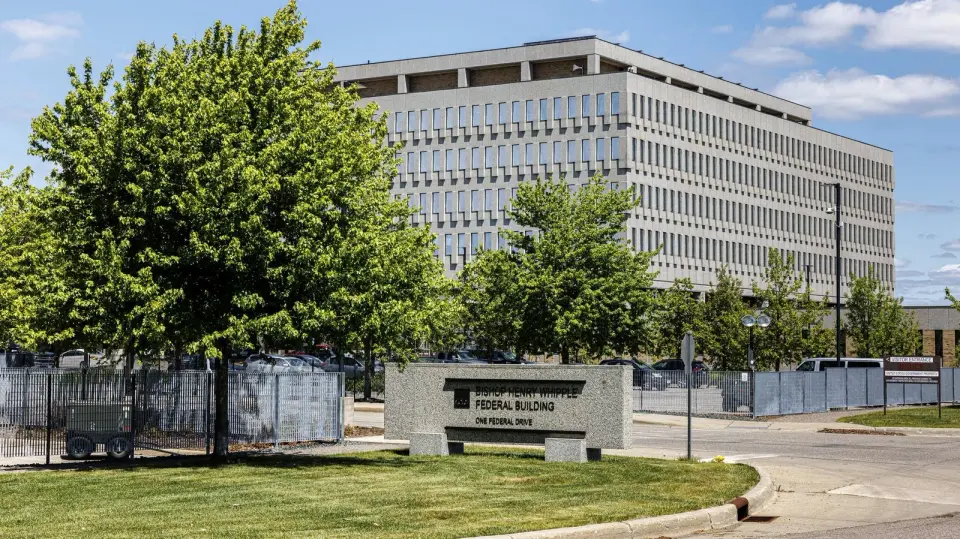
This ruling follows a pattern of ICE intercepting releases at federal buildings in Minnesota and Colorado, as noted in our Oct. 5 archive. The broader national trend includes over 91,000 habeas petitions filed since Jan. 25, with many detainees facing rapid re-detention or deportation to third countries, according to Genocide Watch.
How outlets are covering it
MPR News and Colorado Public Radio focus on Judge Sweeney’s 15-page ruling and the specific testimony of ICE officials that halted the practice. Genocide Watch highlights the national scale, citing at least 20 cases nationwide and linking re-detentions to the administration’s push for third-country deportations. While MPR and CPR emphasize the legal contempt finding, Genocide Watch frames the issue as part of a systemic strategy to circumvent court orders and remove individuals to countries where they hold no citizenship.
Why it matters
The contempt ruling establishes a legal precedent that ICE must comply with habeas corpus orders, reinforcing the principle that no government official is above the law. It also signals that courts will monitor compliance closely, as Sweeney warned that further violations could lead to stricter penalties. The case underscores the tension between executive immigration enforcement and judicial authority in the U.S. legal system.
What to watch
ICE has pledged to cease the practice, but attorneys remain vigilant for potential violations. The federal government may face further legal challenges if similar re-arrests occur in other jurisdictions. Courts in Minnesota and Louisiana continue to adjudicate habeas cases, with some judges threatening contempt for future violations.
- Colorado judge finds ICE in contempt for instant re-arrests borrowed from Minnesota agents MPR News
- ICE ‘made a mockery of court orders’ in Colorado, federal judge says Colorado Public Radio
- DHS may not face consequences for re-arresting people who were recently released Yahoo
- Federal judge finds Colorado ICE agents violated court order in rearrest, but declines to impose more sanctions The Denver Post
- ICE rapidly re-arresting immigrants released after winning court petitions Genocide Watch
Want the full story? Read the original reporting
Read on MPR News