
Supreme Court rejects surrogate's emergency bid in cross-state custody dispute over infant with heart defect
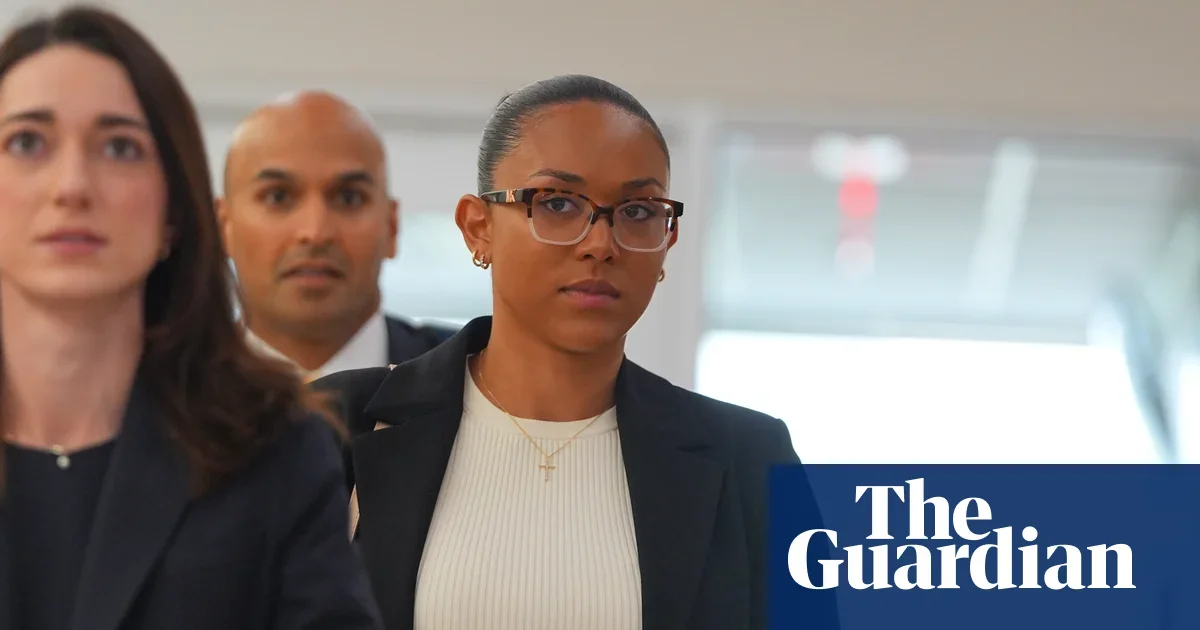
Justice Elena Kagan denied an emergency request from McKenna West, an Alaska surrogate, to halt a California court order granting parental rights to the biological parents of a baby born with a severe heart defect. The case, which spans Alaska, California, and Texas, centers on whether West can retain custody or medical decision-making authority after refusing to terminate the pregnancy as requested by the contracting couple. Lower courts have consistently ruled in favor of the biological parents, Omar Ahmed and Nausheen Gilkar, while West argues they may not provide necessary medical care. The Supreme Court’s refusal leaves the existing legal framework in place, allowing the parents to continue managing the child’s critical care.
Key points
- Justice Elena Kagan declined to intervene in the case on Tuesday, upholding a California Superior Court ruling that recognizes Omar Ahmed and Nausheen Gilkar as the legal parents of the infant.
- McKenna West, an Alaska nurse and surrogate, had filed an emergency appeal arguing that the California order violated her due process rights and that she was excluded from critical medical decisions for the child she carried.
- The dispute began after a 20-week scan revealed the fetus had hypoplastic left heart syndrome, a condition often fatal without extensive surgery; the biological parents requested an abortion, but West refused and traveled to Texas to give birth.
- West’s attorneys argued that the biological parents might not provide adequate care because they had initially sought to terminate the pregnancy, while the parents’ attorneys insisted there was no good faith dispute over parenthood and that the child’s medical needs are being met.
- The case has drawn national attention due to its intersection of surrogacy law, abortion rights, and interstate jurisdiction, with Texas Attorney General Ken Paxton previously intervening to ensure the child received medical care in Texas.
Background
This dispute has been unfolding since August 2026, when West gave birth to the infant in Texas after refusing the biological parents’ request to terminate the pregnancy. Earlier coverage highlighted the complex legal battles across multiple states, including Texas and California, over jurisdiction and custody. The case has also sparked broader public debate on the limits of surrogacy contracts and the rights of surrogate mothers versus contracting parents, particularly in cases involving fetal abnormalities. Previous reports noted that experts considered it unlikely for the Supreme Court to intervene, given the technical legal questions at stake and the consistent rulings in favor of the biological parents in lower courts.
How outlets are covering it
The Guardian and BBC emphasize the emotional and legal stakes for West, highlighting her argument that the biological parents may not provide necessary medical care due to their initial request for an abortion. The Washington Post, however, focuses on the technical legal question of jurisdiction and notes that the biological parents’ attorney, Lee Budner, dismissed West’s appeal as an attempt to undermine their parental rights. The Post also highlights that the case has ignited debate over abortion and parenthood, while the Guardian and BBC frame it more as a custody and medical care dispute. All three sources agree that the Supreme Court’s decision leaves the existing legal framework in place, but they differ in their emphasis on the moral and legal implications of the case.
Why it matters
The Supreme Court’s refusal to intervene underscores the lack of clear federal guidelines on surrogacy and custody disputes, particularly in cases involving fetal abnormalities. The case highlights the tensions between surrogate mothers and contracting parents, as well as the role of state laws in shaping outcomes. It also raises questions about the limits of parental rights and the rights of surrogate mothers in the event of a dispute. The outcome may influence future cases involving surrogacy and abortion, as well as the legal framework for interstate custody disputes.
What to watch
The biological parents, Omar Ahmed and Nausheen Gilkar, will continue to manage the child’s medical care, with the infant undergoing further surgeries and treatment. West’s attorneys have indicated that they may continue to seek information about the child’s condition, but the Supreme Court’s decision makes it unlikely that she will regain custody or medical decision-making authority. The case may also prompt further legal challenges or legislative action on surrogacy and custody disputes, particularly in states with conflicting laws on abortion and surrogacy.
- US supreme court declines to intervene in custody fight over baby born via surrogate theguardian.com
- Supreme Court Order Gives Parents Custody of Baby in Surrogacy Fight The New York Times
- Kagan declines appeal from surrogate mother who refused to get abortion The Washington Post
- US Supreme Court won’t intervene in custody dispute between California couple and surrogate AP News
- Supreme Court stays out of custody case involving surrogate who refused abortion BBC
Want the full story? Read the original reporting
Read on theguardian.com