
Supreme Court to Decide if 1868 Ban on Home Whiskey Distilling Exceeds Congressional Power
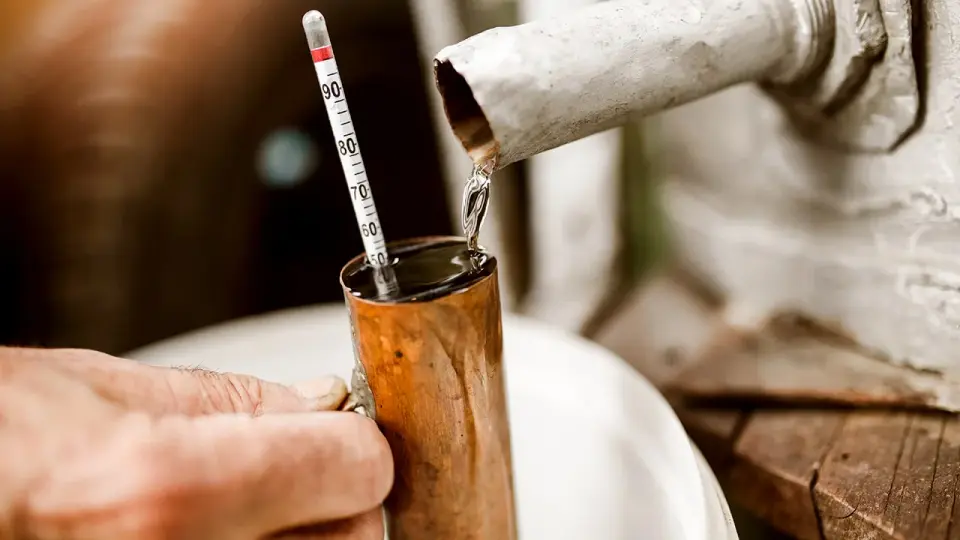
The U.S. Supreme Court has agreed to review an 1868 federal law prohibiting the distillation of spirits in private homes. The case, Department of Justice v. McNutt, challenges whether Congress exceeded its taxing authority by banning home production. Violations currently carry penalties of up to five years in prison and a $10,000 fine. Oral arguments are expected in early 2027, with a decision anticipated by late June or early July 2027.
Key points
- The Supreme Court granted certiorari in Department of Justice v. McNutt, stemming from a conflict between the 5th and 6th Circuit Courts of Appeals.
- The 5th Circuit ruled the ban unconstitutional, stating it exceeds Congress's taxing power, while the 6th Circuit upheld it as a necessary measure to prevent tax evasion.
- The case involves plaintiffs from the Hobby Distillers Association and John Ream, an Ohio brewery owner who wishes to distill spirits for personal consumption.
- The Department of Justice argues the ban is a legitimate tool to prevent tax evasion and protect federal revenue, while challengers argue it infringes on private liberties.
- Oral arguments are anticipated in late February or early March 2027, with a final decision expected by late June or early July 2027.
Background
This case follows earlier coverage of the Supreme Court's decision to hear the challenge to the 1868 federal ban on home distilling. The ban was originally enacted during the Reconstruction era to combat liquor tax evasion. Previous reports highlighted the conflicting rulings from the 5th and 6th Circuit Courts of Appeals, which led to the Supreme Court's intervention. The case has been a focal point for debates on the scope of federal power and individual liberties.
How outlets are covering it
Fox News emphasizes the constitutional implications of the ban, with attorney Robert Alt arguing that the prohibition could set a precedent for restricting other private activities like gardening or car repair. The Washington Post's editorial board argues that the ban is neither 'necessary' nor 'proper' under the Constitution. NBC10 Philadelphia highlights the conflicting decisions from the 5th and 6th Circuit Courts of Appeals, noting that the 5th Circuit ruled in favor of the Hobby Distillers Association, while the 6th Circuit upheld the ban in a case involving John Ream. SCOTUSblog provides a detailed analysis of the legal arguments, noting that the 5th Circuit found the ban violates both the taxation clause and the necessary and proper clause, while the government argues the ban is 'plainly adapted' to the legitimate end of preventing tax evasion.
Why it matters
The Supreme Court's decision in this case could have significant implications for the scope of federal power and individual liberties. If the Court rules in favor of the challengers, it could allow Americans to distill spirits at home, similar to wine and beer. If the Court upholds the ban, it could reinforce the government's authority to regulate private activities under its taxing power. The case also raises questions about the limits of federal power and the rights of individuals to engage in private activities within their homes.
What to watch
The Supreme Court is expected to hear oral arguments in the case in late February or early March 2027. A final decision is anticipated by late June or early July 2027. The outcome of the case will determine whether the 1868 federal ban on home distilling remains in effect or is struck down as unconstitutional.
- Making whiskey at home could land you in prison, but Supreme Court may change that Fox News
- Opinion | Let Americans make their own whiskey The Washington Post
- Thirsting for some bathtub gin? Supreme Court to review ban on distilling spirits at home NBC10 Philadelphia
- Supreme Court agrees to consider federal ban on home distilleries SCOTUSblog
- Can you make whiskey at home? The Supreme Court will decide CNN
Want the full story? Read the original reporting
Read on Fox News