
Tennessee woman seeks $10M after AI facial recognition error leads to wrongful six-month jail term
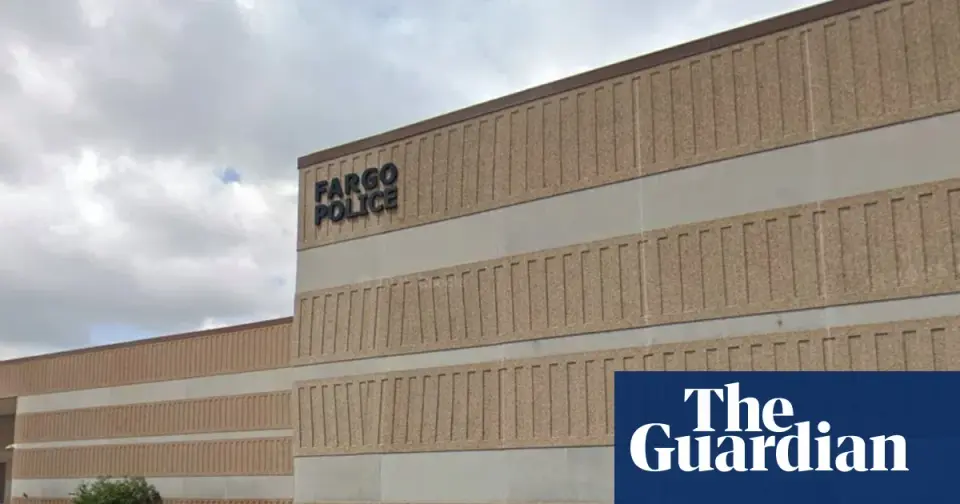
Angela Lipps, a 50-year-old Tennessee resident, has filed a federal lawsuit against the City of Fargo and Detective Lucas Heck, seeking $10 million in damages. Lipps alleges that police relied solely on an AI facial recognition match to charge her with bank fraud, leading to her arrest at gunpoint and six months of wrongful imprisonment. The charges were dropped after her lawyer proved she was in Tennessee during the alleged crimes. The lawsuit claims the police department lacked proper policies for using facial recognition technology, resulting in a failure to investigate exculpatory evidence.
Key points
- Angela Lipps was arrested in July 2025 by U.S. Marshals at her Tennessee home while babysitting, based on a facial recognition match from a North Dakota bank fraud investigation.
- She was held in custody for nearly six months, including time in a Tennessee jail and the Cass County Jail in North Dakota, before charges were dropped on December 24, 2025.
- The lawsuit alleges Detective Lucas Heck ignored evidence that Lipps had never visited North Dakota and did not match the physical description of the suspect in surveillance footage.
- Lipps claims the facial recognition match was based on a photo from a fake ID used by the actual suspect, not the surveillance video, and that police treated this lead as definitive identification.
- The complaint states the Fargo Police Department lacked policies, training, and supervision for facial recognition use, unlike the neighboring West Fargo Police Department.
- Lipps was released on Christmas Eve 2025 with minimal funds and no winter clothing, and subsequently lost her home, car, and personal property.
Background
This case follows a broader national and international debate regarding the risks of AI-powered surveillance and facial recognition technology. Recent coverage has highlighted privacy concerns surrounding AI smart glasses and the potential for misuse in public spaces. While those incidents focused on consumer devices, Lipps’ case illustrates the legal consequences of law enforcement relying on automated identification systems without adequate human oversight or policy frameworks. The lawsuit underscores growing scrutiny of how police departments implement and regulate these tools, particularly when they lead to severe civil rights violations.
How outlets are covering it
The Guardian and Valley News Live (KVLY) present a consistent narrative, emphasizing the procedural failures and the lack of policy at the Fargo Police Department. KVLY provides additional detail, noting that West Fargo police did not believe the facial recognition results were strong enough to warrant charges, highlighting a discrepancy in how different agencies in the same region handled the same technology. WCYB’s coverage, while brief, confirms the core allegations of wrongful arrest and extradition. All sources agree on the timeline and the outcome of the case but differ in the depth of detail regarding the internal police disagreements and the specific conditions of Lipps’ release. The primary source focuses on the emotional and physical toll, while secondary sources emphasize the legal and procedural aspects.
Why it matters
This lawsuit highlights the critical need for clear policies, training, and oversight in the use of facial recognition technology by law enforcement. It serves as a cautionary tale for the potential for wrongful arrests and imprisonment when AI is used as the sole basis for charging individuals, without proper investigation or corroboration. The case may influence future regulations and standards for police departments across the United States, pushing for greater accountability and transparency in the use of AI in criminal investigations.
What to watch
The case will proceed through the federal court system in North Dakota, with Lipps seeking a jury trial. The City of Fargo and Detective Lucas Heck have not yet responded to the lawsuit. The outcome could set a precedent for the use of facial recognition technology in law enforcement and may lead to further scrutiny of police departments’ policies and practices. The case will also likely draw attention to the need for better training and supervision of officers using AI tools in criminal investigations.
- US woman falsely charged with bank theft sues for $10m over AI facial recognition The Guardian
- Grandmother falsely accused of bank theft after alleged AI facial recognition match sues for $10M ABC News - Breaking News, Latest News and Videos
- Tennessee woman sues Fargo, detective over wrongful arrest tied to facial recognition error Valley News Live
- Carter County woman sues Fargo, ND, claims police wrongfully arrested her using AI lead WCYB
- Tenn. Grandma Spent Months in Jail After False AI Flag in Alleged Crime 1,200 Miles Away. Now She’s Suing People.com
Want the full story? Read the original reporting
Read on The Guardian