
New Mexico sues DOJ to compel release of Epstein ranch files
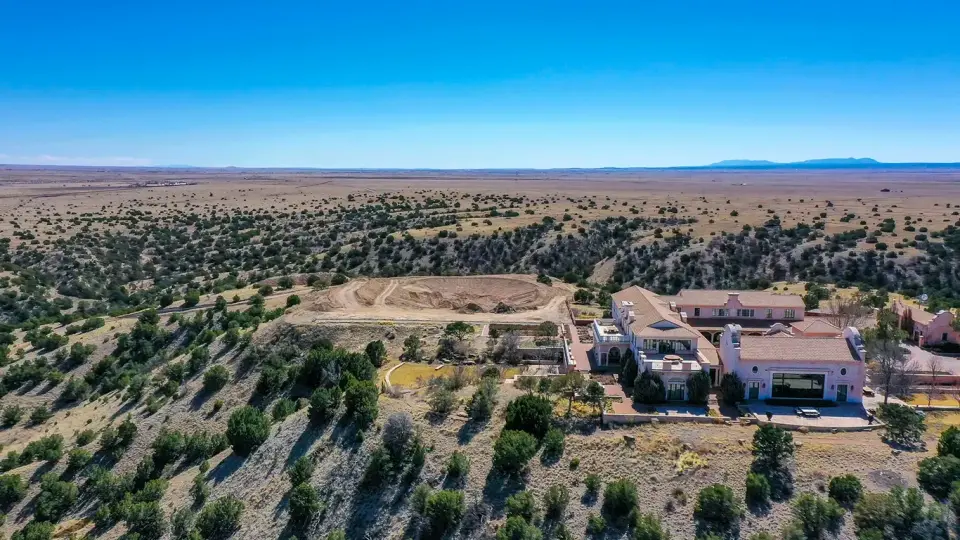
New Mexico sued the Department of Justice and Acting Attorney General Todd Blanche on Wednesday, alleging the federal agency unlawfully withheld unredacted investigative records regarding Jeffrey Epstein’s Zorro Ranch. The state seeks to identify victims and additional criminal conduct, while the DOJ argues that protecting victim privacy under existing court orders outweighs the request for disclosure.
Key points
- New Mexico Attorney General Raúl Torrez filed the lawsuit in the U.S. District Court for the District of Columbia, seeking a court order to compel the DOJ to provide unredacted records or reconsider its refusal under its own regulations.
- The state reopened its criminal investigation into the Zorro Ranch in February 2026 and conducted the first law enforcement search of the property in March, following a 2019 pause requested by federal prosecutors.
- The DOJ stated that the Epstein Files Transparency Act does not require the disclosure of victim-identifying information and that protective orders in the Southern District of New York prevent such releases.
- Torrez argued that the DOJ’s refusal is delaying justice for survivors and that federal prosecutors previously promised to share information after their 2019 investigation concluded but never did.
- The lawsuit coincided with the release of an interim report by New Mexico’s Truth Commission, which called for the release of all records withheld under the transparency act.
Background
This dispute follows a period of intense scrutiny over the DOJ’s handling of Epstein files, including a bipartisan transparency act signed in late 2025 that mandated the release of millions of documents. Critics, including New Mexico officials and survivors, have accused the DOJ of shoddy redactions that inadvertently revealed victim information while withholding key investigative materials. Acting Attorney General Todd Blanche faced significant pressure during his Senate confirmation hearings in July 2026, where he was questioned about the DOJ’s cooperation with state investigations and the integrity of the file release process.
How outlets are covering it
New Mexico officials, including Attorney General Torrez and the state’s Truth Commission, characterize the DOJ’s actions as 'stonewalling' and a deliberate effort to hide information about Epstein and his co-conspirators. They argue that the federal government’s refusal to cooperate is prolonging the suffering of survivors and hindering the only active criminal investigation into Epstein’s activities at the ranch. Conversely, the DOJ maintains that protecting victim privacy is a top priority and that the state has provided no lawful basis to justify the sweeping disclosures requested. A DOJ spokesperson emphasized that neither Touhy requests nor a desire to cooperate outweigh the need to protect victims, citing binding court orders. Survivors have criticized the DOJ’s privacy argument as 'laughable,' noting that the agency has already revealed some victims' names and personal information in previous releases.
Why it matters
The lawsuit highlights a significant jurisdictional conflict between state and federal authorities in the aftermath of the Epstein case, testing the limits of the Epstein Files Transparency Act and the DOJ’s obligations to cooperate with state investigations. The outcome could set a precedent for how federal agencies handle information-sharing requests in high-profile criminal cases and impact the ability of states to pursue accountability for crimes that occurred at the Zorro Ranch.
What to watch
A federal judge must first determine whether the DOJ was required to disclose the records under the regulations cited by New Mexico. The Truth Commission is continuing to solicit information from the public and may seek sworn testimony from witnesses, while the state’s criminal investigation remains active. The DOJ has stated it remains available to assist New Mexico’s investigation consistent with the law and binding court orders.
- New Mexico sues Todd Blanche, DOJ over Epstein files tied to Zorro Ranch investigation Axios
- Investigations into Epstein’s mysterious New Mexico ranch add pressure on the Justice Department CNN
- New Mexico sues DOJ and Todd Blanche, alleging they blocked Epstein probe NBC News
- New Mexico sues justice department for ‘stonewalling’ Epstein investigation The Guardian
- Opinion | New Mexico’s Epstein lawsuit raises stakes of Todd Blanche’s AG bid MS NOW
Want the full story? Read the original reporting
Read on Axios