
New Mexico AG threatens suit after DOJ misses deadline for Epstein ranch files
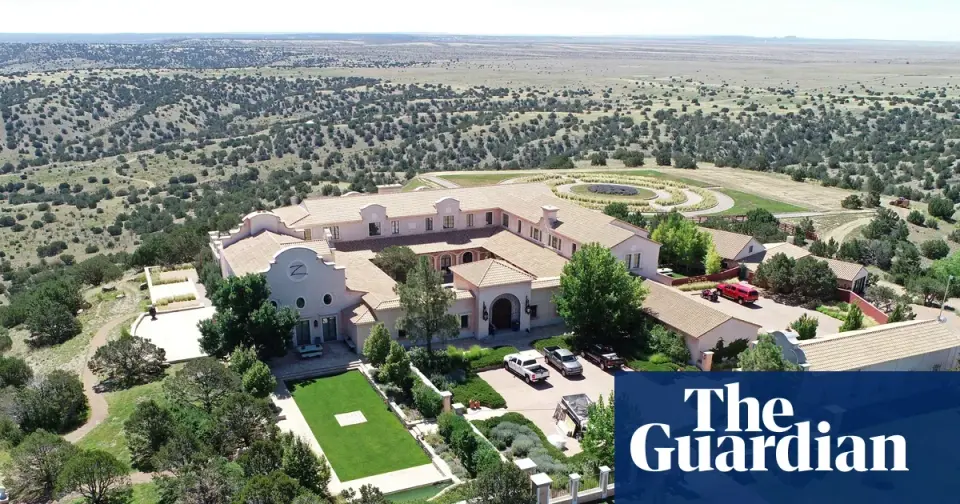
The US Department of Justice failed to meet a July 31 deadline set by New Mexico Attorney General Raúl Torrez to provide unredacted records regarding abuse at Jeffrey Epstein’s former Zorro Ranch. Torrez claims the DOJ provided only 31 largely redacted or irrelevant pages, prompting threats of legal action. While federal officials cite protective orders for victims, Torrez argues the stonewalling delays justice for survivors and hinders the state’s reopened criminal investigation.
Key points
- New Mexico AG Raúl Torrez set a July 31 deadline for the DOJ and the Southern District of New York (SDNY) to share unredacted files related to Epstein’s 10,000-acre Zorro Ranch.
- Torrez states the DOJ provided only 31 pages, mostly old news clippings or heavily redacted documents, which he deems insufficient for the reopened criminal investigation.
- The DOJ’s Associate Attorney General justified redactions as necessary to protect victim and law enforcement identities, though he admitted Epstein’s email address was mistakenly redacted and later restored.
- Torrez warned in a July 14 letter that he would pursue legal remedies if the deadline passed, noting that the SDNY previously requested the state stand down its initial investigation.
- A federal judge is currently reviewing whether the DOJ’s redactions comply with transparency laws, having previously ordered the department to release records or justify each redaction.
Background
This dispute follows the reopening of a dormant criminal investigation into Epstein’s activities at Zorro Ranch, a property he purchased in 1993. Previous archive coverage noted that confirmation hearings for Acting Attorney General Todd Blanche and Jay Clayton highlighted tensions over DOJ independence and the handling of Epstein files. Additionally, recent releases of Epstein files have included thousands of mentions of the ranch and photographs of young girls, though no federal search of the property was ever confirmed, unlike other Epstein properties.
How outlets are covering it
The Guardian emphasizes the DOJ’s apparent disregard for the deadline and Torrez’s frustration with the 'cat and mouse' dynamic, describing the lack of cooperation as a delay in delivering justice. In contrast, WPEC reports on a federal judge’s review of the redactions, noting that the DOJ submitted unredacted documents for private review and that the Associate Attorney General acknowledged a mistake regarding Epstein’s email address. While the Guardian focuses on the political and procedural standoff between state and federal authorities, WPEC highlights the judicial scrutiny of the redaction process itself.
Why it matters
The failure to share these files hinders New Mexico’s ability to identify co-conspirators and corroborate evidence in a reopened criminal case. It also raises broader questions about the DOJ’s commitment to transparency and accountability in the Epstein case, particularly as confirmation hearings for top DOJ officials face scrutiny over their handling of these records.
What to watch
Torrez has indicated he may file a lawsuit if the DOJ does not provide the requested documents. A federal judge is expected to rule on whether the DOJ’s redactions were legally justified. The outcome of these legal challenges could determine whether the state investigation proceeds or remains stalled due to lack of access to key evidence.
- DoJ appears to ignore New Mexico deadline for key Epstein ranch files The Guardian
- Epstein files: How victims remain exposed to identification dw.com
- Epstein records back in court as federal judge questions DOJ redactions WPEC
- Judge to Review Redacted Epstein Documents; Journalist Seeks Daily Fine for Attorney General - Share Dilution Risk dars.gov.et
- More Epstein Files Could Come Out: Here’s What We Could Learn Forbes
Want the full story? Read the original reporting
Read on The Guardian