
Federal Judge Dismisses Smuggling Charges Against Harvard Researcher Kseniia Petrova
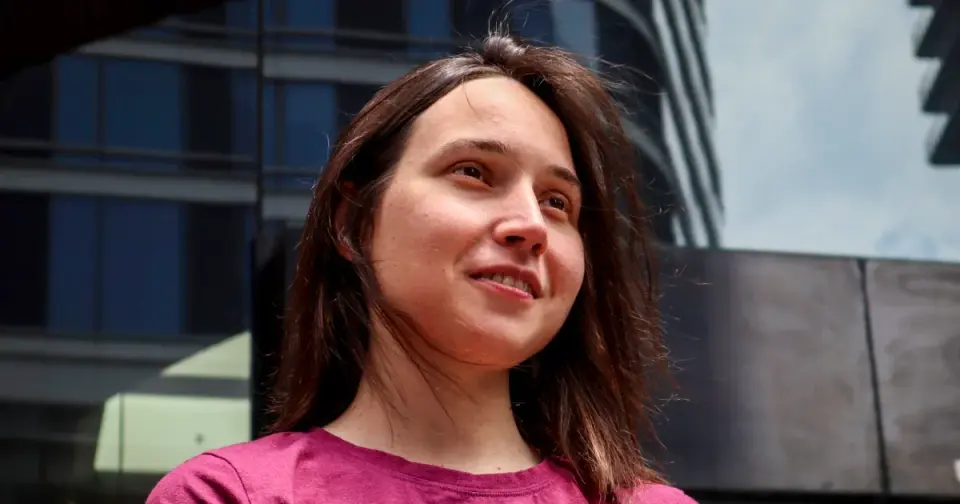
U.S. District Judge Leo T. Sorokin dismissed criminal smuggling charges against Russian-born Harvard scientist Kseniia Petrova on November 4, 2026. Petrova was detained in February 2025 after customs officials found frog embryo samples in her luggage at Boston Logan Airport. Prosecutors dropped the case following a court order allowing her legal team to investigate claims of selective prosecution, citing resource constraints and the need to protect non-public investigative techniques.
Key points
- District Judge Leo T. Sorokin dismissed the charges on Wednesday, one day after federal prosecutors filed a petition to drop the case.
- Petrova, a 31-year-old biomedical researcher at Harvard Medical School, was detained in February 2025 after returning from France with frog embryo samples for aging research.
- U.S. Attorney Leah Foley stated that continuing the prosecution would divert resources from other federal interests, despite labeling Petrova's claims of vindictive prosecution as 'meritless.'
- Petrova's attorneys argued the case was an unusual 'smuggling' prosecution targeting a scientist, and that the samples were inert, non-living, and non-toxic.
- A Vermont federal judge had previously ruled in April 2026 that Petrova's J-1 scholar visa was unlawfully canceled by immigration authorities.
Background
This case follows a pattern of high-profile federal dismissals in 2026, including the recent dismissal of charges against former FBI officials in the Hunter Biden laptop case, which was criticized as a politically motivated prosecution. The broader context involves ongoing tensions between the Trump administration and academic institutions, with Petrova's legal team arguing her case was part of a wider campaign against researchers and universities. The dismissal highlights the legal challenges faced by scientists navigating customs regulations for research materials, particularly when immigration status is tied to criminal allegations.
How outlets are covering it
NBC News and CNN emphasize the 'vindictive' and 'selective' nature of the prosecution, highlighting Petrova's status as a talented Harvard scientist and the 'terrible ordeal' she endured. The Moscow Times focuses on the political dimension, noting the Trump administration's broader campaign against researchers and universities, and Petrova's fear of deportation to Russia. All sources agree that the case was dismissed due to resource constraints and the potential exposure of non-public investigative techniques, but differ in tone: NBC and CNN frame it as a victory for justice, while The Moscow Times underscores the political motivations behind the initial prosecution. Prosecutors, represented by U.S. Attorney Leah Foley, maintained that Petrova's claims were 'meritless' but acknowledged the practical impossibility of continuing the case without compromising sensitive information.
Why it matters
The dismissal underscores the risks faced by international researchers navigating U.S. customs and immigration laws, particularly when carrying scientific samples. It highlights the potential for criminal charges to be used as a tool of political or administrative pressure, raising concerns about the integrity of federal prosecution. The case also draws attention to the intersection of immigration enforcement and academic freedom, with implications for future cases involving scientists and universities. The ruling may influence how federal agencies handle similar cases, balancing enforcement priorities against the rights of researchers and the public interest in scientific advancement.
What to watch
Petrova's immigration proceedings will continue, as her visa was unlawfully canceled but the criminal charges have been dismissed. Her legal team may pursue further action to restore her visa or seek compensation for the ordeal. The Department of Justice may review its protocols for handling scientific samples in customs cases to prevent similar situations. The case may also prompt broader discussions about the balance between immigration enforcement and academic freedom, particularly for international researchers in the U.S.
- Federal judge dismisses charges against Harvard scientist accused of smuggling frog embryos NBC News
- Prosecutors Seek to Drop Charges Against Russian Scientist Accused of Smuggling Frog Embryos The New York Times
- Scientist who brought frog embryos to Boston for cancer research is cleared of smuggling charges CNN
- US moves to drop frog embryo smuggling charges against Harvard scientist Reuters
- U.S. Will Drop Smuggling Charges Against Russian-Born Harvard Medical School Scientist The Moscow Times
Want the full story? Read the original reporting
Read on NBC News