
2026 Midterms Shatter Racial and Gender Ceilings with Record-Breaking Firsts
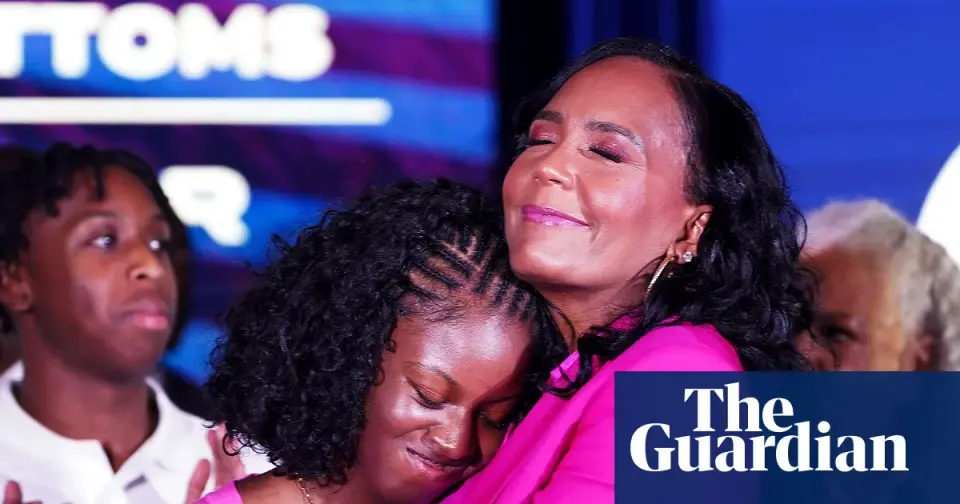
The 2026 US midterm elections resulted in a historic surge of diverse leadership, with voters electing the first Black female governor, the first Muslim senator, and the first openly gay male senator. Democrats flipped key governorships in traditionally red states like Texas and Georgia, while Republicans secured historic wins in Florida and Tennessee. The cycle marked a significant shift in political representation, breaking long-standing racial, gender, and ethnic barriers at both state and federal levels.
Key points
- Keisha Lance Bottoms became the first Black female governor in US history after defeating Rick Jackson in Georgia, marking the first Democratic gubernatorial win in the state in over two decades.
- Abdul El-Sayed won Michigan’s Senate race to become the first Muslim member of the US Senate, defeating Mike Rogers despite attacks from Trump and conservative media.
- Gina Hinojosa defeated three-term incumbent Greg Abbott to become the first Latina governor of Texas and the first Democrat to hold the office since 1990.
- Deb Haaland won New Mexico’s governorship, becoming the first Native American woman to hold the office, while Byron Donalds became the first Black governor of Florida.
- Chris Pappas was elected to the US Senate from New Hampshire, becoming the first openly gay man to serve in the chamber.
- Amy Acton became the first female governor of Ohio, defeating Vivek Ramaswamy in a race marked by national controversy over an attack ad.
Background
The 2026 midterms occurred halfway through President Donald Trump’s second term, following a contentious period marked by an unpopular war with Iran and rising oil prices. Previous archive coverage noted that the cycle produced a record number of Black governors and historic diversity milestones, with Democrats securing major victories in traditionally red states. The elections were characterized by a 'blue wave' that rebuked the Trump administration, with voters expressing frustration over affordability and federal job cuts. The cycle also saw the first Native American woman governor and the first Latino governor of California, marking a significant shift in political representation across the country.
How outlets are covering it
The Guardian emphasized the breadth of historic firsts, highlighting ten key races that shattered racial and gender ceilings, including the first Black female governor and the first Muslim senator. NPR focused on the nine gubernatorial races that made history, detailing the backgrounds of candidates like Keisha Lance Bottoms and Deb Haaland, and noting the demographic shifts in states like Texas and California. BBC highlighted the role of politicians with African roots, such as Abdul El-Sayed, Melat Kiros, and Adrian Boafo, and their impact on young progressive voters. CNN provided a comprehensive breakdown of historic firsts across governors, senators, and House members, noting the Democratic Party’s progressive wing and the significance of wins in battleground states like Michigan and New Hampshire. All sources agreed on the historic nature of the results but differed in emphasis, with The Guardian and CNN focusing on the breadth of firsts, NPR on gubernatorial races, and BBC on African heritage and young voters.
Why it matters
The 2026 midterms marked a significant shift in US political representation, with voters electing the first Black female governor, the first Muslim senator, and the first openly gay male senator. The results reflected a 'blue wave' that rebuked the Trump administration, with Democrats gaining control of Congress and flipping key governorships in traditionally red states. The cycle also highlighted the growing influence of young progressive voters and the impact of demographic shifts on political outcomes. The historic firsts across state and federal levels signaled a major change in the political landscape, with diverse candidates breaking long-standing barriers and reshaping the composition of US government.
What to watch
The newly elected officials will take office in January 2027, with Keisha Lance Bottoms becoming the first Black female governor of Georgia and Abdul El-Sayed becoming the first Muslim senator. The Democratic Party will control Congress, but President Trump retains veto power, creating a potential for legislative gridlock. The historic firsts across state and federal levels will likely influence future political campaigns and representation, with diverse candidates breaking barriers and reshaping the composition of US government. The cycle also highlighted the growing influence of young progressive voters and the impact of demographic shifts on political outcomes, suggesting a potential shift in the political landscape in the coming years.
- Ten historic firsts: the winning US midterm candidates making waves The Guardian
- These 10 candidates for governor made history in the 2026 election NPR
- Abdul El-Sayed, Melat Kiros, Adrian Boafo: The politicians with African roots making history in the US midterms BBC
- The historic firsts of the 2026 election CNN
- Tuesday’s elections bring historic first for Black governors NBC News
Want the full story? Read the original reporting
Read on The Guardian