
Lurie Declares Rent Emergency Amid 25% Surge in San Francisco Rents
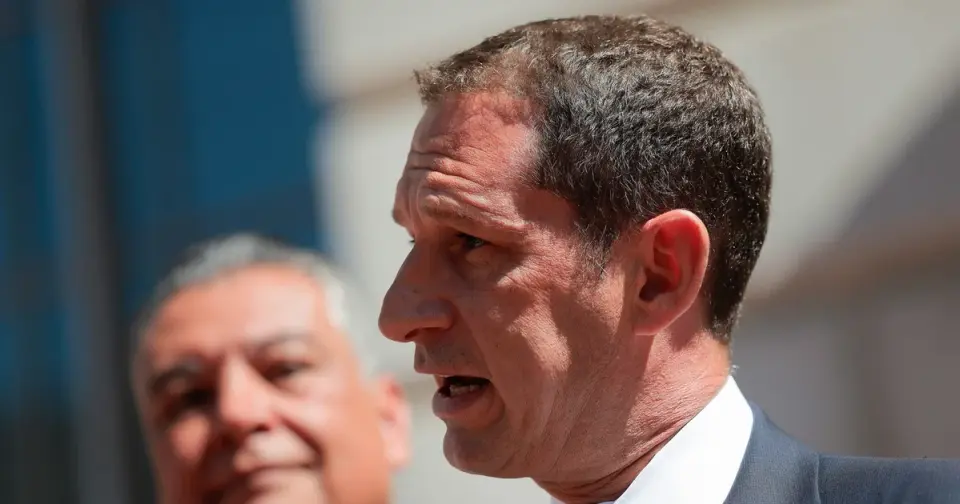
San Francisco Mayor Daniel Lurie declared a rent emergency on September 10, 2026, citing a 24.6% year-over-year increase in two-bedroom rents that now exceed $6,100. The declaration accompanies a package of proposed measures, including caps on rent increases for rent-controlled units, eviction delays for tenants with minor unpaid balances, and $3 million in funding for legal aid. While the declaration is largely symbolic, it signals a shift toward aggressive tenant protections as the city struggles with a housing shortage exacerbated by the AI industry boom.
Key points
- Mayor Daniel Lurie declared a rent emergency on September 10, 2026, to address skyrocketing housing costs and rising eviction notices.
- Zumper data cited by NBC Bay Area shows two-bedroom rents in San Francisco have risen 24.6% year-over-year, reaching over $6,100 per month.
- The proposed package includes a 10% annual cap on rent increases for rent-controlled apartments, a ban on evictions for debts under one month's fair market rent, and $3 million for tenant legal defense.
- Over 1,000 eviction notices have been filed in San Francisco this year, on pace for the highest number in nearly a decade, according to the mayor's office.
- Housing advocates argue the emergency declaration could streamline construction by waiving impact fees and allowing single-stairway buildings, though only 489 units were completed this year.
- City Attorney David Chiu emphasized the need for enforcement of tenant protection laws, stating that current rent prices are 'too damn high.'
Background
San Francisco has faced persistent housing affordability challenges, with median rents now more than double the national average. In 2024, Mayor Lurie campaigned on declaring an emergency for the fentanyl crisis, a move that was largely symbolic but established a precedent for using emergency declarations to prioritize policy agendas. The city previously pushed through the Family Zoning Plan to allow denser construction, but completion rates have remained low. Broader trends show rising rents pushing renters toward cheaper markets, while housing investor sentiment has hit a three-year low due to rising costs and rates.
How outlets are covering it
The San Francisco Standard emphasizes the symbolic nature of the declaration and the specific legislative proposals, including the 10% rent cap and legal aid funding. NBC Bay Area highlights the severity of the rent surge, citing a 24.6% increase for two-bedroom units, and frames the issue within the context of the AI industry boom driving demand. GrowSF focuses on the specific ordinance proposed by Supervisor Jackie Fielder, which would bar nonpayment evictions unless the debt exceeds one month's federal fair market rent, noting similar policies in Oakland and Berkeley. While all sources agree on the urgency of the housing crisis, they differ in emphasis: The Standard and NBC focus on the mayor's broad package and market data, while GrowSF zeroes in on the specific legal mechanism for eviction prevention. Labor leaders, cited by The Standard, argue that the mayor's focus on corporate growth is pricing out essential workers, a perspective not explicitly detailed in the other sources.
Why it matters
The rent emergency declaration marks a significant escalation in San Francisco's housing policy, moving from zoning reforms to direct intervention in the rental market. If the proposed measures pass, they could fundamentally alter the balance of power between landlords and tenants, potentially reducing eviction rates and stabilizing rents for vulnerable populations. However, the symbolic nature of the declaration and the slow pace of new construction suggest that the crisis may persist despite these new protections. The outcome will influence how other cities respond to similar housing affordability crises and could set a precedent for using emergency declarations to bypass standard legislative hurdles for housing reforms.
What to watch
The Board of Supervisors will debate the proposed package, including the 10% rent cap and the minimum unpaid-rent threshold for evictions. City Attorney David Chiu will focus on enforcing the new tenant protection laws. Housing advocates will push for the emergency declaration to unlock construction reforms, such as waiving impact fees and allowing single-stairway buildings. The mayor's office will monitor the number of eviction notices and the effectiveness of the new legal aid funding. The November 2026 general election may also see housing issues play a key role in the campaigns of local candidates.
- Lurie declares rent emergency as SF housing costs surge The San Francisco Standard
- San Francisco Mayor to Declare Rent Emergency Amid A.I. Housing Frenzy The New York Times
- S.F. Mayor Lurie unveils plan to protect renters amid AI-fueled housing ‘emergency’ San Francisco Chronicle
- San Francisco rents jump nearly 25% as mayor addresses affordability NBC Bay Area
- Fielder Proposes Minimum Unpaid-Rent Threshold for Evictions GrowSF
Want the full story? Read the original reporting
Read on The San Francisco Standard