
San Diego Drafts 2,025-Mile Bike Network Amid Council Split and Public Backlash
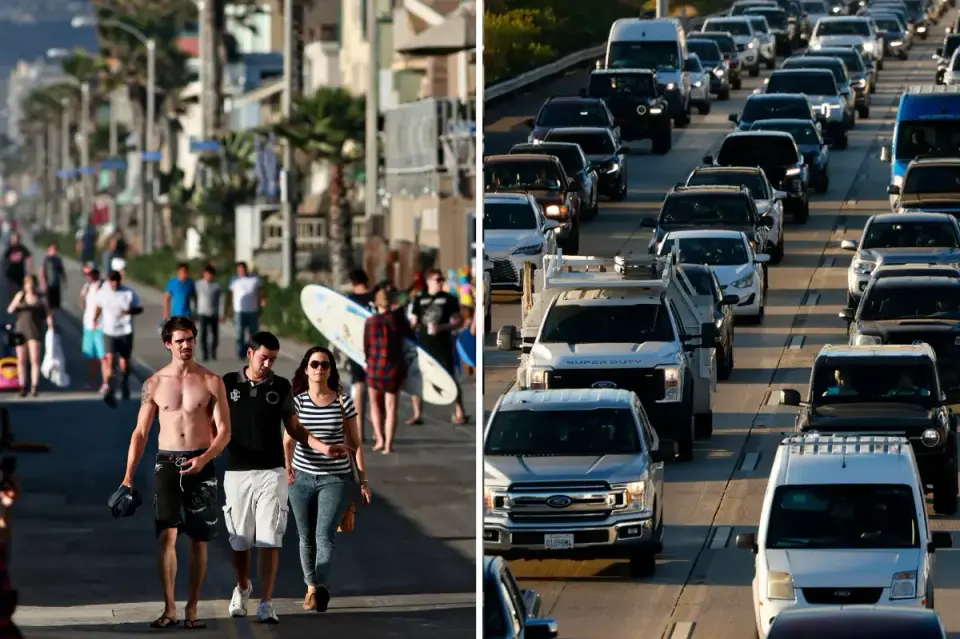
San Diego’s draft Bicycle Master Plan proposes expanding the city’s cycling network to 2,025 miles, including over 600 miles of separated bikeways, by early 2027. The plan, last updated in 2013, faces fierce opposition from residents and some council members who cite traffic congestion, parking loss, and budget deficits, while advocates argue it is essential for safety and accessibility. Public comment closes November 30, 2026, before the City Council votes.
Key points
- The draft plan aims to expand San Diego’s bicycle network to 2,025 miles, including 640 miles of Class 4 separated lanes, 120 miles of Class 1 fully separated paths, and 270 miles of Class 2 painted lanes.
- Public comment on the draft ends Monday, November 30, 2026, with nearly 2,000 comments already submitted during the survey phase.
- Councilmember Henry Foster voted against advancing the plan on November 19, 2026, criticizing the lack of public explanation and the reduction of main corridor capacity.
- Councilmember Stephen Whitburn supports the plan, stating it will reduce crashes and make cycling more attractive for residents who currently drive due to a lack of continuous bikeways.
- Critics argue that 95% of residents do not use bike lanes for commuting and that the expansion is a poor use of taxpayer money given the city’s budget deficits.
- The plan was developed over two years without consulting San Diego’s 48 neighborhood planning groups, a process failure cited by opponents as a primary source of conflict.
Background
San Diego’s previous Bicycle Master Plan was adopted in 2013. The city has faced ongoing tensions between vehicle traffic and active transportation, as seen in Los Angeles’ recent transit overhaul and San Francisco’s robotaxi scrutiny. Regional funding remains a challenge, with SANDAG currently dedicating only 2% of Transnet revenue to bicycle and pedestrian projects, despite proposals to raise this share. The current draft aligns with the city’s Mobility Master Plan, Strategic Plan, General Plan, and Climate Action Plan.
How outlets are covering it
The California Post and Hoodline both report on the backlash but emphasize different aspects. The California Post highlights the 'civil war' narrative, focusing on resident anger over traffic and parking, and quotes critics like Becky Rapps and Victoria LaBruzzo. Hoodline, citing the San Diego Union-Tribune, focuses on the procedural failure of not consulting neighborhood planning groups and the specific corridor-level impacts, such as on Pomerado Road and Mission Boulevard. Both sources note the split in the City Council, with Foster opposing and Whitburn supporting, but Hoodline provides more detail on the specific bikeway classes and the regional funding constraints from KPBS and SANDAG.
Why it matters
The plan represents a significant shift in urban infrastructure policy, potentially altering traffic flow, parking availability, and public spending priorities in a major California city. The outcome will set a precedent for how cities balance active transportation with vehicle access and budget constraints, influencing future transportation planning across the region.
What to watch
The City Council is expected to vote on the draft Bicycle Master Plan in early 2027. Public comment closes on November 30, 2026. Advocates and opponents will continue to lobby council members in the weeks leading up to the vote. The plan’s implementation timelines may be delayed until roadways are due for repaving or other unrelated work, as noted by critics.
- Major California city braces for civil war as it plots massive change that’s infuriating drivers New York Post
- Proposal to add 900 new miles of San Diego bike lanes could set city up for years of neighborhood fights San Diego Union-Tribune
- San Diego's Bike Lane Plan Skips Neighborhood Groups, Sparks Fight Hoodline
Want the full story? Read the original reporting
Read on New York Post