
FRA Withdraws $659M in Grants, Halting Amtrak Bridgeport Move and White Sox Stadium Plans
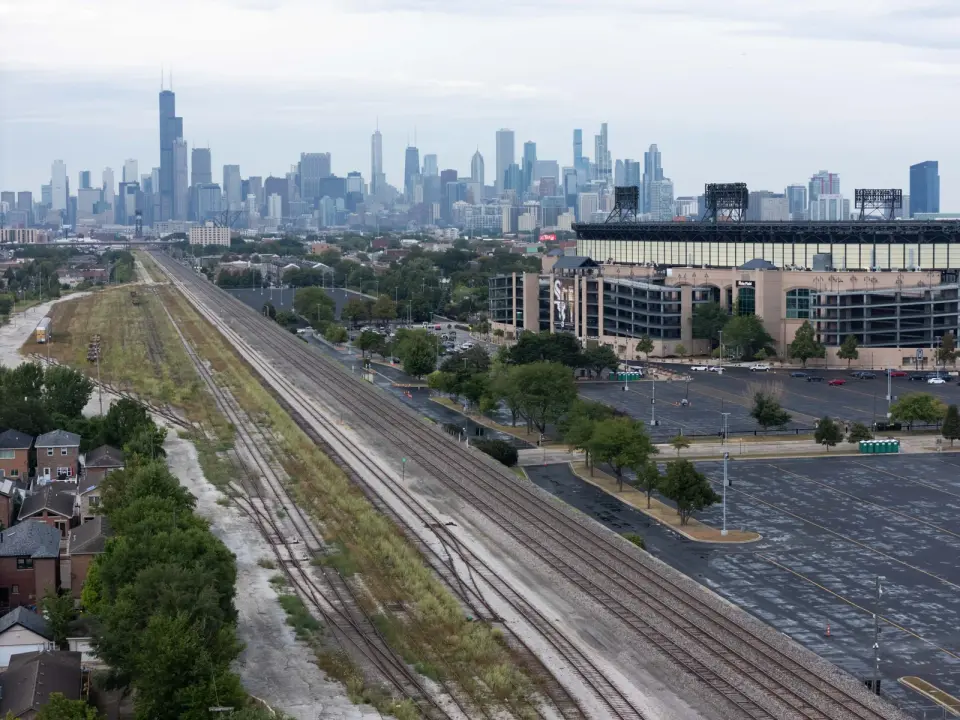
The Federal Railroad Administration has withdrawn $659 million in grants for Amtrak’s planned maintenance facility in Bridgeport, effectively killing the project. This decision prevents Amtrak from selling its current 14th Street yard, which was slated for redevelopment into a new Chicago White Sox stadium. Amtrak will now focus on upgrading its existing 14th Street site instead.
Key points
- FRA Administrator David Fink withdrew a $572 million grant for the Canal Street Yard facility and an $87 million grant for related bridge repairs, citing 'major, previously unquantified infrastructure costs.'
- An independent analysis estimated the Bridgeport project would require an additional $400 million over 50 years to stabilize 17 railroad structures, rendering the $900 million project fiscally untenable.
- Amtrak announced it will shift focus to modernizing its existing 14th Street Coach Yard in the South Loop, citing better operational access to Union Station.
- The move blocks Justin Ishbia’s 'The Railyards' proposal, which included a new White Sox stadium and mixed-use development on the 14th Street site.
- Community leaders in Bridgeport and Chinatown celebrated the decision, having opposed the facility due to concerns over noise, diesel emissions, and traffic.
Background
In October 2026, the FRA mandated a formal environmental review for the controversial $915 million Amtrak facility, reversing an earlier categorical exclusion. This followed intense community opposition and concerns about potential displacement of the White Sox. Justin Ishbia, a minority owner with the option to buy the team from Jerry Reinsdorf by 2029, had partnered with Amtrak through his company, Canal Edge, to develop the Bridgeport site. Ishbia previously deferred the final relocation decision to Reinsdorf, emphasizing that the team's lease at Rate Field remains in effect until 2029.
How outlets are covering it
Block Club Chicago and WGN-TV emphasize the financial collapse of the project, highlighting the $400 million in unforeseen infrastructure costs that led the FRA to pull funding. ABC7 Chicago frames the decision as a direct blow to the White Sox stadium plans, noting that the 14th Street yard was a prerequisite for the new stadium. All outlets agree that community opposition in Bridgeport played a significant role, with Ald. Nicole Lee and Mayor Brandon Johnson praising the residents' efforts. However, while Block Club and WGN focus on the fiscal reasons for the FRA's decision, ABC7 highlights the operational benefits of keeping the facility at 14th Street, such as improved access to Union Station.
Why it matters
The cancellation of the Bridgeport facility and the subsequent halting of the White Sox stadium plans represent a major shift in Chicago's urban development landscape. It underscores the power of community opposition and the impact of federal funding decisions on large-scale private development projects. The decision also raises questions about the future of the White Sox and the potential for other stadium projects in the city, such as the Bears' negotiations with Arlington Heights.
What to watch
Amtrak will proceed with modernizing its 14th Street Coach Yard, though it remains unclear if any of the previously awarded federal funding will be used for this revised plan. The White Sox and Justin Ishbia have not commented on the decision, but the future of 'The Railyards' project is now in doubt. Community leaders in Bridgeport and Chinatown will likely continue to advocate for the preservation of their neighborhoods, while city officials may explore alternative pathways for sports and entertainment development in Chicago.
- Amtrak Scraps Bridgeport Rail Yard Plan, Throwing Sox Owner’s Plan For New Stadium Into Doubt Block Club Chicago
- FRA pulls funding from new Amtrak Chicago maintenance facility (updated) Trains Magazine
- Feds block Amtrak land sale, dealing blow to new White Sox stadium plans: report FOX 32 Chicago
- Amtrak to redevelop 14th Street Yard, bn blow to Chicago White Sox stadium plans in South Loop ABC7 Chicago
- Report: FRA pulls funding for proposed Amtrak facility move, scuttling plans for new White Sox stadium in South Loop WGN-TV
Want the full story? Read the original reporting
Read on Block Club Chicago