
Long Beach closes all coastal swimming areas after 29,000-gallon sewage spill
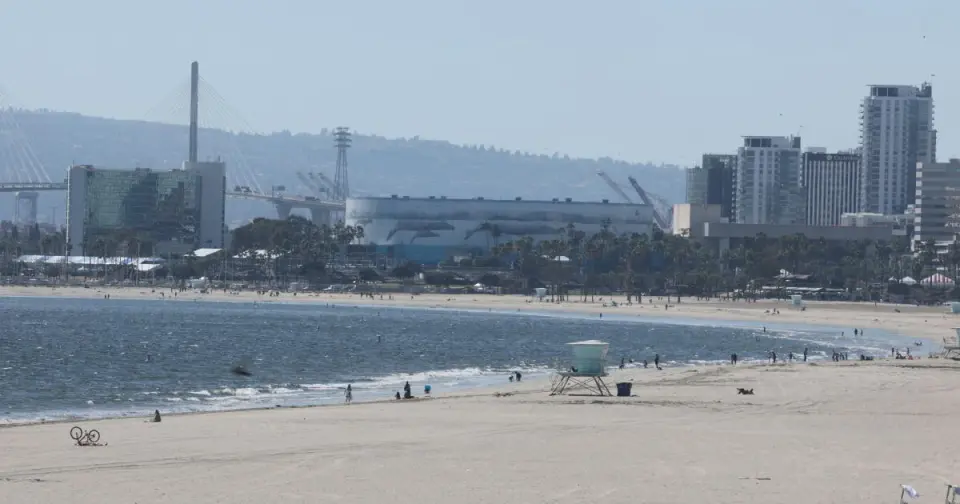
Long Beach officials ordered the closure of all coastal swimming areas, including beaches, bays, and lagoons, on Saturday after a break in a pressurized sewage main released approximately 29,000 gallons of wastewater into the ocean. The incident occurred near Livingston Drive and Second Street on Friday evening. While city utilities successfully rerouted flow and recovered 15,000 gallons, an estimated 14,000 gallons reached the sea. Health officials have suspended swimming until water quality tests meet state standards, with sampling scheduled to begin Monday due to expected weekend rain.
Key points
- City Health Officer Dr. Cliff Okada ordered the temporary closure of all open coastal swimming areas in Long Beach on Saturday.
- A break in a 'force main' near Livingston Drive and Second Street caused a spill of approximately 29,000 gallons of sewage starting around 6:30 p.m. on Friday.
- Long Beach Utilities rerouted the sewage flow using a bypass line and engaged emergency contractor Ocean Blue for cleanup; 15,000 gallons were recovered, while 14,000 gallons discharged into the ocean.
- The closure is mandated by state law and is described as an 'abundance of caution' measure; full beach closures are rare and typically reserved for significant emergencies like raw sewage breaks.
- Water sampling will begin on Monday and continue until results comply with state recreational water quality standards, as rain is expected over the weekend.
- The Los Angeles County Department of Public Health separately issued warnings for swimming near Ballona Creek, Mother’s Beach, and Santa Monica Pier on Friday due to bacterial levels exceeding standards.
Background
This incident follows a period of significant coastal infrastructure stress in Southern California. In late September and early October, Tropical Storm Rachel and other systems caused severe erosion, structural damage, and evacuations in Long Beach, including the further collapse of the boardwalk. While those events were driven by weather and erosion, the current closure is due to a utility failure. Historically, Long Beach beaches have faced closures due to upstream sewage spills from the Los Angeles and San Gabriel rivers, with local beaches closed for 63 days in one recent five-year span. However, full closures for local main breaks are less common than targeted bacterial warnings or rain advisories.
How outlets are covering it
The Los Angeles Times and Long Beach Post agree on the total spill volume of 29,000 gallons, the location, and the cause (a force main break). NBC Los Angeles reported a slightly lower figure of 27,000 gallons in its initial notice. All sources confirm the involvement of Ocean Blue for cleanup and the rerouting of flow. The Long Beach Post notes that while such closures are rare for local breaks, they are common for upstream river spills, and highlights a contrast with a June warehouse fire incident where beaches remained open despite potential chemical runoff. The Los Angeles Times emphasizes the rarity of full closures, noting they usually occur only during significant emergencies, while NBC focuses on the ongoing monitoring process. All outlets agree that reopening depends on state-mandated water quality testing, which is delayed until Monday due to rain.
Why it matters
The closure of all Long Beach coastal swimming areas impacts over six miles of public beach and affects recreational use for residents and tourists. It highlights the vulnerability of aging infrastructure, as the break occurred in a pressurized force main. The incident also underscores the strict regulatory framework governing water quality in California, where even partial discharges trigger mandatory closures until compliance is verified. For the city, this event adds to a challenging year of coastal infrastructure challenges, including storm damage and erosion, potentially increasing costs for repairs and public health monitoring.
What to watch
Water sampling will begin on Monday and continue as needed until results meet state recreational water quality standards. Repairs to the broken pipe are underway. The closure will remain in effect until the city confirms that water quality is safe for swimming. The Los Angeles County Department of Public Health warnings for other coastal areas, including Ballona Creek and Santa Monica Pier, may also be lifted as conditions improve, though these are separate from the Long Beach closure.
- Massive sewage main break prompts closure of all coastal waters off Long Beach Los Angeles Times
- Long Beach Shuts Down Its Coastal Waters After Sewage Spill The New York Times
- 29,000 gallons of sewage spills in Long Beach; many swimming areas closed KTLA
- 29,000 gallons of sewage spill in Belmont Shore, forcing city to close coastal waters Long Beach Post
- Sewage spill forces Long Beach coastal swimming areas to close NBC Los Angeles
Want the full story? Read the original reporting
Read on Los Angeles Times