
US clocks fall back Nov. 1 as permanent daylight saving time bill stalls in Senate
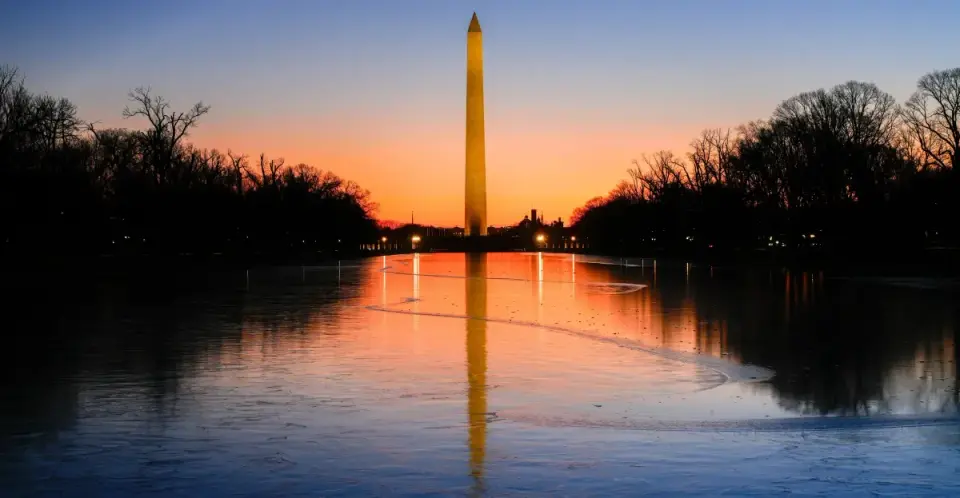
Daylight saving time ends at 2 a.m. on Nov. 1, 2026, returning most of the US to standard time. While the Sunshine Protection Act passed the House in July to make daylight saving time permanent, it remains stalled in the Senate. Health experts note that standard time better aligns with circadian rhythms, but the debate continues over the trade-offs between morning and evening daylight.
Key points
- Clocks fall back one hour at 2 a.m. on Nov. 1, 2026, giving Americans an extra hour of sleep but darker evenings.
- The Sunshine Protection Act, which would make daylight saving time permanent, passed the House in July but is stalled in the Senate.
- President Trump has publicly pressured Sen. Tom Cotton to support the bill, even posting his personal phone number, but no action has been taken.
- If the bill fails to pass before the 119th Congress ends in January 2027, the effort must restart in the new Congress.
- The next daylight saving time change is scheduled for March 14, 2027, at 2 a.m. local time.
Background
The US first adopted daylight saving time in 1918 during World War I to conserve fuel. Congress later repealed the mandate but allowed states to opt in. Uniform start and end dates were established in 1966, and the current schedule (second Sunday of March to first Sunday of November) has been in effect since 2007. The US attempted permanent daylight saving time in the 1970s, but public approval dropped from 79% to 42% within three months due to dark winter mornings, leading to a quick reversal.
How outlets are covering it
Vox highlights the political stalemate, noting that while 19 states have passed laws for permanent daylight saving time, they cannot take effect without federal action. Vox also points out that permanent standard time is considered the healthiest option by the American Academy of Sleep Medicine. CBS News provides historical context, noting that the 1970s experiment with permanent daylight saving time failed before reaching the 10-month mark. Scientific American emphasizes the health implications, stating that the spring 'spring forward' change is more disruptive to health than the fall 'fall back' change, with higher rates of heart attacks and lost sleep. NBC News focuses on the geographic impact, noting that a switch to permanent daylight saving time would result in dozens more sunrises at or after 8 a.m. for most of the country.
Why it matters
The outcome of the Sunshine Protection Act will determine whether Americans continue to experience twice-yearly clock changes or adopt a permanent time zone. The decision has significant implications for public health, circadian rhythm alignment, and daily routines, particularly regarding morning and evening daylight exposure. The political battle also highlights the tension between legislative priorities and public opinion on time management.
What to watch
The Senate must act on the Sunshine Protection Act before the 119th Congress ends in January 2027. If the bill fails, the process must restart in the new Congress. The next daylight saving time change is scheduled for March 14, 2027. Public opinion remains divided, with some advocating for permanent daylight saving time and others supporting permanent standard time.
- Daylight saving time ends: Is this our last time setting our clocks back? Vox
- Daylight saving time 2026 ends tonight. Here's what time the clocks change and more key details. CBS News
- Do Clocks Go Back Tonight? What Time Daylight Saving Time Ends in 2026 IMDb
- How to ‘fall back’ this weekend without losing your mind Scientific American
- What a switch to year-round daylight saving time would change, in six graphics NBC News
Want the full story? Read the original reporting
Read on Vox