
NYC Council poised to ban Central Park carriages, leaving 150 drivers without a clear path forward
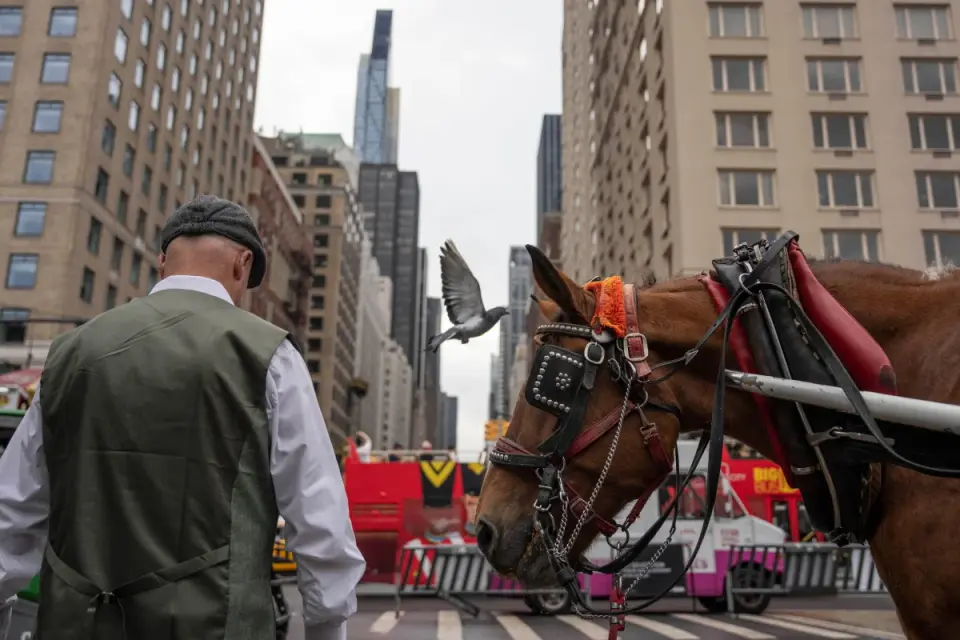
The New York City Council is expected to pass legislation banning horse-drawn carriages in Central Park by June 2028, ending a 150-year tradition. While the move follows a fatal accident and long-standing animal welfare concerns, it leaves over 150 drivers facing uncertain futures. The city has committed to a transition plan by next April, but drivers and unions argue the support is inadequate and vow legal challenges.
Key points
- The NYC Council is set to vote on a bill banning horse-drawn carriages in Central Park by June 2028, a measure known as 'Romanch's Law.'
- The legislation requires Mayor Zohran Mamdani’s office to develop a workforce transition plan by April 2027, including job referrals in transit and hospitality sectors and potential compensation.
- Over 150 carriage drivers are affected, with many expressing anxiety over losing their livelihoods and the ability to care for their horses.
- The Transport Workers Union has vowed to file a legal challenge immediately after the bill is signed, citing inadequate support for displaced workers.
- The ban follows the June death of 18-year-old tourist Romanch Mahajan, who died after jumping from a runaway carriage, the first such fatality in the industry's history.
Background
This development concludes a decades-long stalemate in New York City. Previous mayors, including Bill de Blasio and Eric Adams, attempted to end the carriage industry but failed due to union backlash and public opposition. The current push gained momentum after the fatal accident in June, which prompted the victim's family to appeal to city officials. The legislation aims to address both animal welfare concerns and the economic impact on workers, a balance that has historically proven difficult to achieve.
Why it matters
The ban represents a significant shift in urban policy, prioritizing public safety and animal welfare over a historic tourist attraction. It highlights the ongoing tension between traditional industries and modern regulatory standards, as well as the challenges of managing workforce transitions in the gig and service economies. The outcome will set a precedent for how cities handle the displacement of workers in declining industries.
What to watch
The NYC Council is expected to vote on the bill on October 22. If passed, Mayor Mamdani’s office must deliver a detailed transition plan by April 2027. The Transport Workers Union is preparing legal challenges, and the city is in discussions regarding compensation packages for the 150+ affected drivers.
Want the full story? Read the original reporting
Read on AP News