
Final Senate Debates Clash Over Loyalty and Economy as Rural Data Center Boom Intensifies
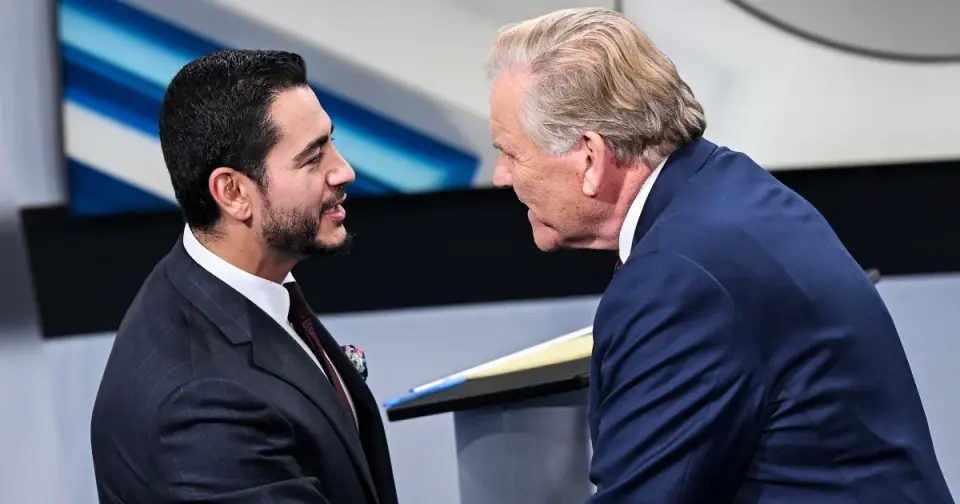
The final U.S. Senate debates in Michigan and Kansas highlighted sharp contrasts in strategy, with candidates grappling with President Trump’s unpopularity and the economy. In Michigan, Democrat Abdul El-Sayed and Republican Mike Rogers engaged in a contentious exchange over loyalty and tariffs, while Kansas saw Democrat Adam Hamilton distance himself from the party left. Simultaneously, a surge in rural data center construction is fracturing communities over energy and water use, and President Trump is using diplomatic flattery to pressure Vladimir Putin into Ukraine negotiations.
Key points
- Michigan Senate race remains neck-and-neck, with El-Sayed attacking Rogers' ties to Trump and Rogers questioning El-Sayed's loyalty to the U.S.
- Kansas debate focused less on Trump and more on Hamilton's independence from the Democratic left, while Marshall appealed to Trump supporters.
- Rural data center projects are expected to triple in number, raising concerns about energy consumption and community impact in places like Oregon.
- Trump's negotiator praised Putin for releasing a U.S. teacher, a move experts view as an attempt to lure Russia to the negotiating table.
- Wisconsin gubernatorial race focused on tax policy, marking the first open governor's race in the state since 2010.
Background
These debates occur less than two weeks before the November 3 election, following a period of intense campaigning in battleground states. The data center trend builds on earlier reports of corporate expansion in rural areas, such as the Meta project in Louisiana, which has already sparked local disputes over housing and environmental strain. The Ukraine diplomatic efforts follow previous tensions and U.S. troop adjustments in the Middle East.
How outlets are covering it
NBC News characterized the Michigan debate as 'tame' compared to the first but noted the fierce clash over El-Sayed's loyalty, while CNN described it as 'bitterly personal' and 'ferociously contested.' CBS News focused on the substantive nature of the debate but noted that voters reported minimal impact on their decisions. On the data center issue, NBC highlighted the potential tripling of rural facilities and the split in community opinion, whereas our archive notes emphasize the environmental and quality-of-life costs that residents in other states have already experienced. Regarding Ukraine, NBC reported on Trump's flattery of Putin, while experts cited by NBC expressed skepticism about the strategy's success due to a lack of clear leverage.
Why it matters
The outcomes in Michigan and Kansas could determine the balance of power in the U.S. Senate, influencing national policy on the economy and foreign affairs. The rural data center boom represents a significant shift in infrastructure development, with potential long-term impacts on energy grids and local economies. The diplomatic maneuvers regarding Ukraine signal a potential shift in U.S. foreign policy strategy, which could have global security implications.
What to watch
Campaigns will focus on voter turnout in the final two weeks. The data center industry will continue to expand, with more projects coming online, potentially leading to further community disputes. Diplomatic efforts regarding Ukraine will continue, with experts watching for any signs of engagement from Russia. The Wisconsin gubernatorial race will also conclude, with the winner taking office after the election.
- Final Michigan Senate debate takeaways and rural America’s data center boom: Morning Rundown NBC News
- MAGA Bingo and Questions of Loyalty: 5 Michigan Senate Debate Takeaways The New York Times
- Fights over loyalty to America, party and Trump dominate Michigan and Kansas Senate debates Yahoo
- The lingering tension from 2024 that could cost Democrats the Michigan Senate race The Boston Globe
- Political experts break down final debate between Rogers, El-Sayed ahead of election CBS News
Want the full story? Read the original reporting
Read on NBC News